

In recent years, Bangladesh has witnessed a remarkable surge in the adoption of mobile wallets and payment solutions. This trend has paved the way for the emergence of Conversational Commerce, enabling seamless transactions between businesses and consumers through messaging platforms. This article delves into the significance of mobile wallets and payment solutions in Bangladesh’s Conversational Commerce revolution.
The Emergence of Conversational Commerce
Conversational commerce has gained momentum due to the widespread adoption of mobile wallets and payment solutions in Bangladesh. This innovative approach allows businesses and consumers to engage in personalized and convenient interactions through messaging platforms. Conversational commerce enhances the shopping experience by making it more engaging and efficient.
Personalized and Convenient Interaction
One of the key benefits of Conversational Commerce is the provision of a personalized and convenient interaction experience for consumers. With the integration of mobile wallets and payment solutions, customers can easily connect with businesses and make transactions seamlessly. This level of convenience optimizes the overall shopping experience, making it more appealing to consumers.
Seamless Payment Integration
Mobile wallets allow users to link their accounts with popular messaging apps, enabling direct payments during conversations. This integration eliminates the need for customers to switch between different platforms or exit the conversation to complete the payment process. The ability to make payments seamlessly within the conversation enhances efficiency and streamlines the purchasing journey.
Security and Reliability
Mobile wallets and payment solutions offer both businesses and consumers a secure and reliable payment method. Robust encryption and authentication protocols ensure the safeguarding of users’ financial information. The presence of such security measures builds consumer trust, encouraging them to utilize conversational commerce and make purchases through messaging platforms.
Building Consumer Trust
The secure payment methods provided by mobile wallets and payment solutions play a vital role in building consumer trust in Conversational Commerce. When customers feel confident about the safety of their financial information, they are more likely to engage in transactions through messaging platforms. This trust strengthens the bond between businesses and consumers, driving further adoption and usage of Conversational Commerce.
Mobile Wallet Definition
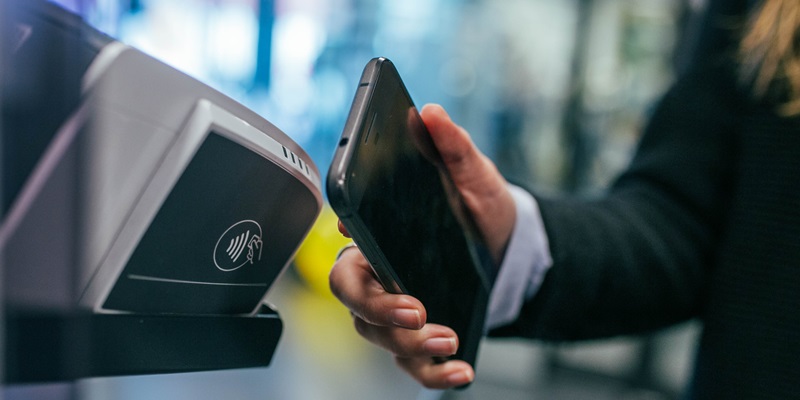
A mobile wallet is a digital application that allows individuals to store their financial information, such as credit card or bank account details, on their smartphones or other mobile devices. This enables users to make in-store or online payments conveniently and securely through their devices, eliminating the need for physical cash or card payments. A mobile wallet is a digital payment method that allows users to store their financial information on their smartphones. It enables them to make payments for goods and services conveniently, eliminating the need for physical cash or card transactions. Mobile wallets have gained popularity due to their ease of use and accessibility.
Payment Solutions Definition
Payment solutions refer to the various methods and technologies utilized to facilitate financial transactions. These solutions include mobile wallets, digital payment platforms, and other innovative systems that streamline payments, making them more efficient and secure for both businesses and consumers.
The integration of mobile wallets and payment solutions into Conversational Commerce is revolutionizing the way people in Bangladesh shop and conduct transactions. The growing adoption of mobile wallets has not only simplified payment processes but also enhanced the overall shopping experience. With secure and reliable payment methods, consumers are increasingly placing trust in Conversational Commerce, leading to its widespread acceptance and usage. As the future unfolds, it is expected that mobile wallets and payment solutions will continue to play a vital role in the evolution of Conversational Commerce in Bangladesh.