

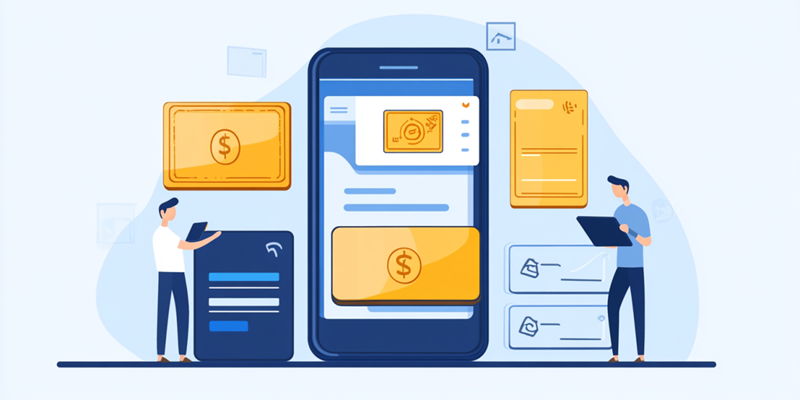
Digital wallets are fast becoming an integral part of how we handle money and transactions. These innovative tools are not just convenient; they offer unprecedented levels of security and efficiency that traditional methods can’t match. As technology advances, digital wallets are continuously improving, integrating seamlessly into various sectors such as retail, healthcare, and entertainment. Through this article, we will dive into the transformative impact of digital wallets on modern financial transactions, highlighting their key benefits and industry-wide integration.
The Rise of Digital Wallets
Evolution and Popularity
Digital wallets, also known as electronic wallets, have captivated the global market by offering a convenient alternative to carrying physical cash and cards. With the ubiquity of smartphones and the increasing comfort of consumers in using digital platforms, digital wallets are becoming everyday essentials. Users appreciate the simplicity of making transactions through a single tap or click, which saves time and effort compared to traditional methods.
What sets digital wallets apart is their ability to store not just money but a variety of other assets, including loyalty cards, membership passes, and discount coupons. This versatility amplifies their utility and popularity among users who seek streamlined solutions to manage multiple financial and personal assets. As people grow more comfortable with digital ecosystems, the integration of these various features into digital wallets enhances their daily functionality, making them indispensable tools for modern life.
Enhanced Security Features
One of the standout features of digital wallets is their enhanced security. Unlike traditional wallets that can be lost or stolen, digital wallets provide multiple layers of security, including encryption, biometric verification, and tokenization. Technologies such as Near Field Communication (NFC) allow users to make secure transactions by merely holding their smartphone close to a payment terminal, reducing the risk of unauthorized access.
Moreover, the integration of identification documents like driver’s licenses and ID cards into digital wallets adds a layer of verification, making these wallets a more secure option for both personal identification and financial transactions. This multi-faceted approach to security fosters trust and encourages greater adoption. The growing implementation of advanced security features ensures that digital wallets remain a step ahead of potential threats, offering users peace of mind in their everyday transactions.
Industry-Wide Integration
Transforming Retail Transactions
Digital wallets are revolutionizing the retail industry by offering a seamless checkout experience. Shoppers no longer need to fumble with cash or cards; a quick tap of their smartphone suffices. Retailers also benefit from faster transaction times and reduced queues, enhancing customer satisfaction and operational efficiency.
In addition to streamlining payments, digital wallets can store loyalty cards and discount coupons. This integration means consumers are more likely to use these benefits and save on purchases, creating a win-win situation for both shoppers and retailers. As a result, digital wallets are becoming an indispensable part of the retail experience. Retailers can also gather better data on consumer spending habits, allowing for more personalized marketing and promotions. This tighter consumer-retailer relationship fosters brand loyalty and offers shoppers more tailored experiences.
Simplifying Healthcare Processes
In the healthcare sector, digital wallets play a crucial role in simplifying administrative tasks. Patients can store their insurance details and medical records in their digital wallets, making it easier to share this information with healthcare providers. This reduces the paperwork and administrative burden on both patients and medical staff, leading to more efficient and less error-prone processes.
The ability to make payments quickly and securely for medical services is another advantage. Patients can settle their bills effortlessly, and healthcare providers can ensure timely payments, improving cash flow and overall financial management within healthcare facilities. Furthermore, this streamlined process can also lead to better patient outcomes, as medical professionals can focus more on patient care rather than administrative duties.
Enhancing the Entertainment Experience
The entertainment industry is also reaping the benefits of digital wallets. Whether it’s buying tickets for movies, concerts, or sports events, digital wallets offer a swift and secure way to make purchases. Users can select seats, buy tickets, and even download admission passes directly to their devices, all through dedicated apps.
This streamlined process not only enhances convenience but also reduces the chances of losing tickets or facing payment issues. Event organizers benefit from reduced ticketing times and better crowd management, making digital wallets a valuable asset in the entertainment space. Additionally, by facilitating smoother entry and allowing for real-time updates on event schedules or changes, digital wallets can vastly improve the overall customer experience, fostering increased attendance and engagement.
Leading Digital Wallets
Apple Pay and Its Ecosystem
Apple Pay is a market leader, particularly popular among iOS users due to its seamless integration with Apple devices. Security features like Face ID and Touch ID make it a reliable option for secure transactions. Apple Pay’s widespread acceptance in retail and online stores further cements its position as a go-to digital wallet solution.
Additionally, Apple Pay leverages the robust ecosystem of Apple services to enhance its functionality. It supports payments in apps and on websites, providing a cohesive and unified experience across various use cases. This deep integration within the Apple ecosystem ensures that users have a consistent and reliable option for managing their finances and completing transactions, reinforcing the brand’s reputation for convenience and innovation.
Google Pay’s Versatility
Google Pay stands out for its versatility, working effortlessly across both Android and iOS platforms. Users appreciate its capability to store a wide array of cards and the intuitive interface that makes it easy to manage transactions. The integration of Google services adds another layer of convenience, making it a strong contender in the digital wallet market.
Beyond basic payments, Google Pay offers additional features such as peer-to-peer money transfers and the ability to store boarding passes and event tickets. This comprehensive suite of services ensures that users can handle various aspects of their daily financial and logistical needs all in one app. Google’s robust security infrastructure also ensures that transactions are protected, further enhancing user trust and adoption.
Samsung Pay’s Extensive Compatibility
Samsung Pay distinguishes itself with its Magnetic Secure Transmission (MST) technology, which allows it to be used at almost any payment terminal, even those that do not support NFC. This broad compatibility makes Samsung Pay a highly flexible option for users who want a digital wallet that works virtually anywhere.
In addition to its extensive compatibility, Samsung Pay also offers loyalty programs and reward points, adding extra value for its users. The integration with Samsung’s wide range of devices, from smartphones to smartwatches, ensures that users have a cohesive and flexible experience no matter which device they use. This holistic approach to digital payments makes Samsung Pay an appealing option for a wide range of consumers, further solidifying its place in the market.
PayPal’s Established Reputation
PayPal has long been a trusted name in online payments, and its digital wallet offering builds on this reputation. Known for its flexibility and wide acceptance, PayPal’s digital wallet is a reliable option for both online and offline transactions. Its user-friendly interface and robust security measures make it a favored choice for many consumers.
One of the key strengths of PayPal’s digital wallet is its ability to facilitate international transactions with ease. This global reach makes it an ideal option for users who frequently make cross-border payments. Additionally, PayPal’s buyer protection policies offer an extra layer of security, ensuring that users can shop with confidence. With its longstanding reputation and continuous innovation, PayPal remains a cornerstone in the digital wallet landscape.
Technological Advancements
Mobile and Security Enhancements
Technological advancements in mobile and security features are continuously improving the capabilities of digital wallets. Enhanced encryption methods and biometric verification such as fingerprint and facial recognition add extra layers of security, making it increasingly difficult for unauthorized users to access sensitive information. These technologies not only protect financial data but also imbue users with greater confidence in using digital wallets for all types of transactions.
The ongoing development and adoption of blockchain technology further promise to elevate the security and transparency of digital transactions. Blockchain’s decentralized nature ensures that transaction records are immutable and visible to all participants, reducing the risk of fraud. As these technologies continue to evolve, digital wallets will likely become even more secure and versatile, cementing their role as essential tools in the digital financial landscape.
Future Trends and Innovations
Digital wallets are rapidly becoming essential in how we manage money and conduct transactions. These advanced tools are not only convenient but also offer a level of security and efficiency that traditional methods simply can’t match. As technology progresses, digital wallets continue to evolve, seamlessly integrating into various sectors, including retail, healthcare, and entertainment.
The convenience of having a digital wallet means you can carry multiple cards, make payments, and even store tickets or boarding passes, all within a single app on your phone. Security is another major advantage; digital wallets often use encryption and tokenization to protect your financial data, which adds an extra layer of protection against fraud and theft.
More than just a passing trend, digital wallets are shaping the future of financial transactions. They enable quicker, more secure payment processes and are increasingly being adopted by businesses and consumers alike. This article will delve into the transformative impact of digital wallets on modern financial transactions, shedding light on their key benefits and widespread industry adoption.