

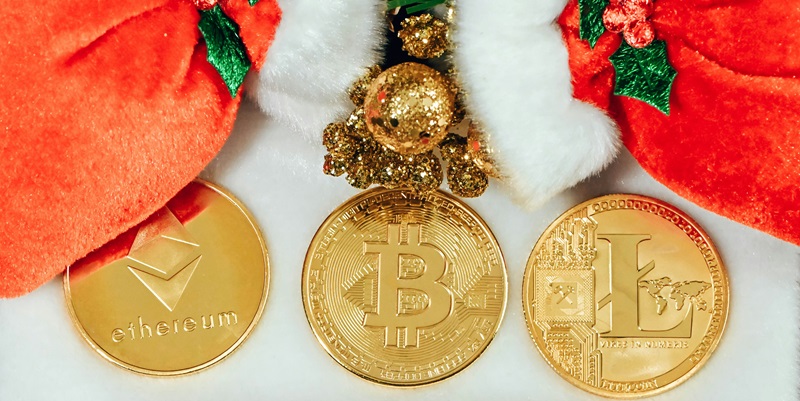
Recent developments in the cryptocurrency market have sparked renewed interest and excitement among both retail and institutional investors. The market has surpassed a valuation of $1 trillion, signifying a remarkable recovery in the value and appeal of digital assets. This resurgence has been marked by notable events and actions, including high-profile investments and influential endorsements that have drawn attention to the cryptocurrency landscape.
Key Figures and Influence
Justin Sun’s Headline-Grabbing Actions
One of the most headline-grabbing actions that drew attention to the cryptocurrency market was Justin Sun’s purchase and consumption of a $6.2 million banana. This banana was part of the "Comedian" artwork by Maurizio Cattelan, acquired from a Sotheby’s auction. Sun’s dramatic gesture brought to light the abstract and unconventional value that cryptocurrencies can hold, similar to conceptual art. This event underscored the intangible and often speculative nature of digital assets, framing them as unique investments that go beyond traditional financial assets.
Sun’s actions are not isolated; they reflect his ongoing influence in the crypto space. Apart from his advisory role at HTX exchange and his creation of the Tron blockchain, his recent $30 million investment in President-elect Donald Trump’s World Liberty Financial crypto project highlights his strategic involvement in shaping the market. Sun’s continuous efforts to support and promote cryptocurrency platforms have contributed significantly to the market’s recent growth and renewed interest.
Retail and Institutional Interest
The resurgence of the cryptocurrency market has been driven by a combination of institutional demand and rising retail interest. Although the retail enthusiasm witnessed during previous cycles hasn’t yet been fully matched, there are clear signs of growing engagement. Josh Gilbert from eToro noted an increase in retail interest, especially towards Bitcoin, though it has not reached the peaks of earlier periods. Bitcoin’s trajectory towards the $100,000 milestone is partly fueled by Trump’s pro-crypto stance, influencing market sentiment positively.
However, the selective nature of investment is apparent, with many altcoins still lingering below their 2021 peaks, suggesting a cautious approach among investors. Global indicators such as South Korea’s Kimchi premium and the subdued nonfungible token market point to a gradual and measured recovery. Jupiter Zheng from HashKey Capital highlighted this trend, noting that while some altcoins have shown robust performance, overall retail enthusiasm remains below its peak from 2021.
Regulatory Influences and Political Developments
Impact of Trump’s Pro-Crypto Agenda
The political landscape has also played a crucial role in the resurgence of the cryptocurrency market. Trump’s election victory reignited discussions around the potential for more crypto-friendly regulations in the United States. His administration has indicated intentions to dismantle previous regulatory constraints, fostering a more accommodating environment for digital assets. This shift in regulatory outlook is poised to establish the US as a global cryptocurrency hub, further boosting investor confidence and market growth.
Trump’s pro-crypto agenda aligns with broader efforts to integrate cryptocurrencies into mainstream financial systems. Caroline Bowler, CEO of BTC Markets Pty, observed a post-election return of retail investors to the crypto markets, driven by expectations of new and favorable policies. This renewed interest from retail investors, coupled with consistent institutional demand, has been instrumental in the market’s upward trajectory. Regulatory shifts influenced by political changes are thus a significant factor contributing to the evolving dynamics of the cryptocurrency market.
Nuanced and Fluctuating Market Dynamics
The current state of the cryptocurrency market is characterized by its nuanced and fluctuating dynamics, a mix of regulatory, retail, and institutional factors. While there has been a notable resurgence, it’s marked by selective investor interest and strategic involvement from major players. The reactivation of dormant accounts from 2020 and 2021 highlights the cautious yet growing engagement of retail investors. Institutional demand remains a key driver, indicative of the broader acceptance and perceived value of digital assets.
Overall, the interplay between political developments, high-profile endorsements, and strategic investments underscores the complexity and evolving nature of the cryptocurrency market. The post-election resurgence points to potential revitalization, albeit cautiously, with investors remaining keenly aware of the underlying volatility. The nuanced landscape of cryptocurrency trading, influenced by both regulatory shifts and market dynamics, emphasizes the importance of staying informed and vigilant in this ever-changing sector.
Future Outlook and Staying Informed
Strategic Considerations for Investors
The resurgence of the cryptocurrency market has undoubtedly captured the attention of both retail and institutional investors, but it also necessitates strategic considerations. Investors must navigate this volatile sector with a keen understanding of the evolving regulatory environment, market dynamics, and key influencers. The rise in institutional demand underscores the growing legitimacy and adoption of digital assets, encouraging a more structured approach to investments.
Retail investors, on the other hand, need to remain cautious and well-informed as they engage with this unpredictable market. The reactivation of dormant accounts indicates a renewed interest, but it also points to the necessity of strategic timing and awareness of market sentiments. Observing global indicators and understanding political shifts can provide valuable insights into potential market movements and investment opportunities.
Call to Action for Market Participants
Recent shifts in the cryptocurrency market have generated renewed excitement and interest from both retail and institutional investors. The market’s valuation has now exceeded $1 trillion, marking a significant recovery for digital assets. This resurgence in cryptocurrency appeal can be traced to various notable events and actions that have captured widespread attention.
Among the most impactful are high-profile investments from major financial players and influential endorsements from renowned figures in finance and technology. Such moves have not only stimulated market activity but have also helped to solidify the perception of cryptocurrencies as viable investment opportunities.
Additionally, the integration of blockchain technology and digital currencies in traditional financial systems has further bolstered their legitimacy. Institutional investors, in particular, are increasingly viewing cryptocurrencies as a strategic asset rather than a speculative venture. This increased confidence in the market suggests a promising future for digital assets, potentially transforming the broader financial landscape.