

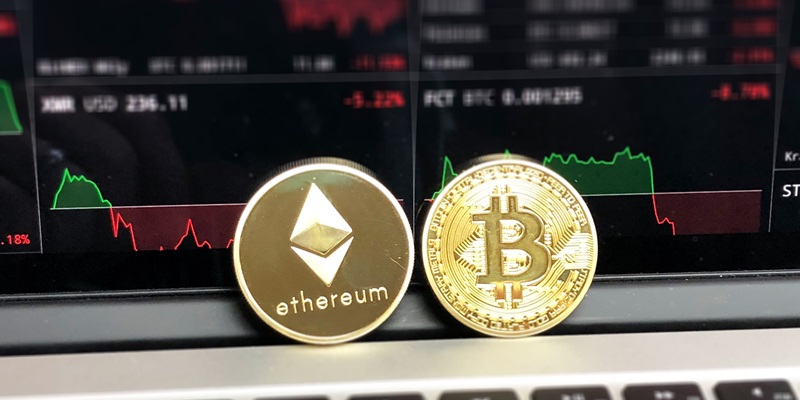
In the ever-evolving world of cryptocurrency, forecasting the trends and developments that lie ahead is no easy task. Instead of relying on the opinions of self-proclaimed experts or idle speculation, why not turn to prediction markets? These dynamic platforms allow participants to place bets on the outcome of real-world events, ranging from the weighty matters of global politics to the trivialities of celebrity gossip. In addition to their entertainment value, prediction markets offer an alternative source of expert opinion, providing a counterweight to fallible legacy sources of information.
Explanation of Prediction Markets
Prediction markets can be seen as platforms that facilitate betting on the likelihood of specific outcomes in real-world events. They operate by allowing participants to trade shares in different outcomes, with the value of the shares reflecting the market’s collective predictions. These markets enable individuals to put their money where their beliefs lie, providing valuable insights into what the future may hold. The range of events on which predictions can be made is vast, encompassing everything from political elections and natural disasters to sports events and happenings in the entertainment industry.
Positive spillover effects of prediction markets
Beyond being a speculative game, prediction markets offer positive spillover effects for the public. By aggregating the opinions of a diverse group of participants, they harness the wisdom of the crowd. This collective intelligence can serve as a valuable resource in decision-making processes, providing an alternative source of expert opinion that challenges the dominance of traditional information channels. In this way, prediction markets empower individuals to make more informed choices and democratize the forecasting landscape.
Advantages of cryptocurrency in prediction markets
One significant advantage of utilizing cryptocurrencies within prediction markets is the freedom it affords participants. Unlike traditional prediction markets, which may be subject to interference or control from a centralized entity, crypto-powered platforms ensure participants can bet on controversial questions without third-party meddling. This decentralized nature of crypto prediction markets creates a more transparent and fair environment for individuals to express their beliefs and make informed bets.
Crypto predictions for 2024
Now, let’s delve into the predictions that the crypto-focused prediction markets are making for the year 2024. Among the recurring themes emerging from these markets is the concept of airdrops. Airdrops, or the distribution of free tokens to existing cryptocurrency holders, have been utilized as a marketing strategy by numerous projects. The prediction markets suggest that airdrops are expected to continue gaining popularity in 2024, potentially transforming the way projects engage with their communities and incentivize user adoption.
Interesting Questions Posed on Polymarket
Beyond airdrops, the popular prediction market platform Polymarket has posed a range of fascinating questions regarding the crypto landscape. For instance, participants can bet on whether the Kraken exchange will go public by June, indicating potential developments in the exchange sector. Additionally, the platform offers the opportunity to predict whether OpenSea, a leading non-fungible token (NFT) marketplace, will issue its own token by May. These questions provide a glimpse into the collective sentiment surrounding upcoming events and developments in the crypto space.
Comparison to gossip and trolling
At first glance, some of the questions raised in prediction markets may seem similar to the insinuations made by newspaper gossip columnists in “blind items” or the provocation of internet trolls “just asking questions.” However, it’s essential to differentiate between the two. Prediction markets are driven by individuals backing their beliefs with financial stakes, leading to more considered and researched predictions. While some questions may border on speculation, the decentralized nature of these markets encourages a more thoughtful approach to forecasting.
Bridge Exploit Question on Zeitgeist
Interestingly, the aforementioned question regarding a potential bridge exploit also appears on Zeitgeist, a prediction market platform operating on Polkadot’s blockchain network. The overlap raises suspicions but also highlights the importance and prevalence of this particular concern within the crypto community. The fact that this question has captured the attention of multiple prediction market platforms underscores its significance and the need for vigilance against potential vulnerabilities.
Limitations and usefulness of prediction markets
While prediction markets offer valuable insights and alternative expert opinions, it is crucial to acknowledge their limitations. These markets are not infallible and should not be viewed as complete replacements for other sources of forecasting and expertise. However, they serve as valuable supplements to traditional channels, providing a different perspective on potential future events. Incorporating prediction market data into an individual’s informational diet can contribute to a more balanced and comprehensive understanding of the crypto landscape.
As we peer into the future of the crypto industry, prediction markets offer a unique and dynamic lens through which to view upcoming developments. These platforms, built on the principles of decentralization and individual investment, provide a valuable source of expert opinion. By exploring the predictions made within crypto-focused prediction markets, we gain a deeper understanding of the collective sentiments and expectations within the community. While not infallible, these markets supplement traditional forecasting sources and empower individuals to make more informed decisions. Let us embrace the insights offered by prediction markets and continue to explore their potential within the ever-evolving world of cryptocurrency.