

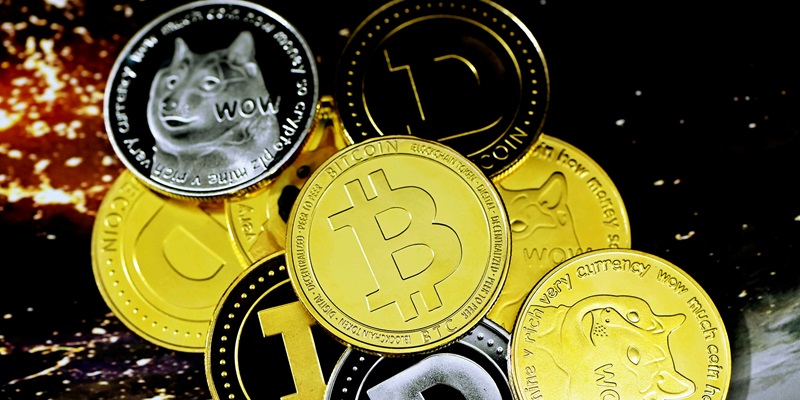
The cryptocurrency market has been through a rollercoaster of highs and lows, often driven by a myriad of factors that can bewilder even seasoned investors. Recently, a significant retrenchment in the prices of prominent cryptocurrencies like Ethereum (ETH), Solana (SOL), XRP, Dogecoin (DOGE), and Pepe Coin (PEPE) sent ripples throughout the digital asset community. With such declines following substantial gains, the crypto markets have demonstrated just how dynamic and sensitive they are to certain catalysts.
Understanding the Impact of Whale Transactions
The Role of Ethereum Whales
Sizable Ethereum transfers have made headlines, particularly when linked to large-scale wallet activities. The motivations are often tied to profit-booking, especially when these transfers are directed toward exchanges where sales are executed. The impact of such actions can scarcely be overstated; when large amounts of ETH hit the market, prices can swing dramatically, serving as either a siren call or a warning bell to the broader investor community. Such instances highlight the fragile balance of supply and demand dynamics within the cryptocurrency arena.
Ripple Effects of Whale Movements
Following in the wake of whale activity, smaller investors often find themselves reacting in real-time to the transactions of these market behemoths. As whales make their moves, the subsequent price volatility can trigger reactive trading amongst the retail investor cohort. To some, it’s an opportunity; to others, a threat. The resulting market sentiment can quickly lean toward caution, as many watch the waves and wonder whether to ride them out or seek shelter.
The Mixed Sentiments Surrounding ETFs
The Ethereum ETF’s Initial Hope and Hype
The approval of the Spot Ethereum ETF initially bathed the market in optimism, bolstering Ethereum’s market position. Investors, enticed by the familiarity and perceived legitimacy of ETFs, jumped on the bandwagon, hoping to be at the forefront of a new investing evolution. However, parallels have been drawn to Bitcoin ETFs which, despite their initial fanfare, did not sustain their early momentum. Such precedents cast a shadow of doubt on the long-term euphoria surrounding crypto-based ETFs.
Skepticism Over Long-Term ETF Performance
The luster of newly launched ETFs tends to diminish as the market begins to fully digest their implications. Analysts remain at odds about the longevity of the Ethereum ETF’s impact, with many pointing to the underwhelming performance of past cryptocurrency ETF ventures. As the initial dust settles, the enduring value and relevance of these ETFs remain a subject of intense debate, highlighting the market’s complexity and the challenge of forecasting with certainty.
Challenges Facing Meme Coin Sectors
The Meme Coin Market Volatility
Meme coins have ridden a wave of popular sentiment, at times achieving staggering valuations anchored by nothing more than community engagement and viral trends. The large-scale movement of meme coins like Pepe Coin to exchanges hints at a widespread profit-taking initiative, signaling that some early backers are cashing out. Such episodes paint a volatile picture for these assets, which already hang by the thread of market whimsy.
Regulatory and Investor Cautiousness
The surge in meme coins has not gone unnoticed by regulatory authorities, whose skeptical gaze further complicates the already murky waters. Investors, too, tread with trepidation, conscious of the risks that come with assets often driven more by memes than fundamentals. As skepticism from influential figures such as Cathie Wood of Ark Invest surfaces, the future of meme coin ETFs hangs in the balance, with their ultimate fate shaped by investor confidence and regulatory verdicts.
Overall Crypto Market Dynamics
Reading Market Sentiment and Profit-Booking
The recent spate of profit-booking appears as a rational response to the gains accrued over the preceding weeks. Watching the dynamics of sell-offs and the subsequent market behaviour offers critical insights into the nature of trader psychology and the overall sentiment pervading the crypto landscape. Whether as a strategic move or a response to developing trends, profit-booking speaks volumes about the market’s temperature.
Consequences of Market Movements on Traders
The crypto markets have been emblematic of a thrill ride, soaring to dizzying heights before plummeting with equal intensity, leaving even veteran traders baffled. A recent notable downturn saw established cryptocurrencies like Ethereum, Solana, XRP, Dogecoin, and the lesser-known Pepe Coin plunge in value, stirring unease across the digital currency landscape. These swings highlight the market’s volatile nature and hypersensitivity to an array of stimuli. Despite noting substantial upticks in the past, the abrupt markdowns remind participants of the inherent unpredictability associated with these digital assets. This responsiveness to various factors underscores the crypto sector’s complexity and the challenges involved in navigating its unsteady waters. Players in this space must therefore brace for the constant undulations that define this burgeoning yet turbulent financial frontier.