

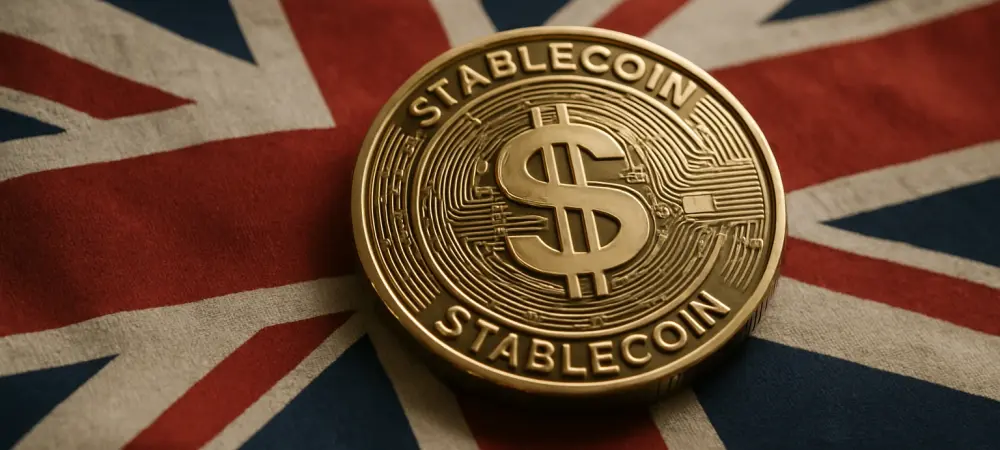
I’m thrilled to sit down with a leading expert in the cryptocurrency space, whose deep understanding of digital assets and financial innovation has made them a sought-after voice in the industry. With years of experience navigating the evolving world of blockchain and stablecoins, they’re here to shed light on the urgent push by major crypto companies for the UK to update its stablecoin policies. Today, we’ll explore the transformative potential of stablecoins, the challenges facing the British pound in this market, the competitive landscape with the U.S., and the risks and opportunities that lie ahead for the UK’s financial future.
Can you walk us through what stablecoins are and why they’ve become such a game-changer in the financial world recently?
Stablecoins are a type of cryptocurrency designed to maintain a stable value, usually by being pegged to a traditional currency like the U.S. dollar or, less commonly, the British pound. Unlike volatile cryptocurrencies like Bitcoin, stablecoins aim to provide a reliable store of value and medium of exchange, which has made them incredibly popular for transactions and as a bridge between traditional finance and the crypto world. Their rise—now with a market worth over $280 billion—comes from their ability to address real pain points, like the high costs and delays in cross-border payments or the instability of local currencies in some regions. They’re essentially digital cash that’s faster and often cheaper to use than traditional banking systems.
Why do you think British pound-backed stablecoins haven’t gained much traction compared to their U.S. dollar counterparts?
The dominance of the U.S. dollar in global finance plays a huge role here. The dollar is the world’s reserve currency, so it’s no surprise that stablecoins pegged to it, like USDT or USDC, have captured the lion’s share of the market. Pound-backed stablecoins face challenges like lower demand in international trade and a smaller user base in the crypto space. Additionally, the UK’s regulatory uncertainty around stablecoins hasn’t helped—issuers and users want clarity before committing to a less dominant currency. This dollar dominance also subtly reinforces the U.S.’s financial influence, which can sideline the UK’s position in the digital economy if it doesn’t act strategically.
What are major crypto companies hoping to achieve by urging the UK to develop a national stablecoin strategy?
Companies like Coinbase and Kraken are pushing for the UK to treat stablecoins as a vital piece of financial infrastructure rather than a threat to be tightly controlled. They’re advocating for clear, supportive regulations that would encourage innovation while ensuring safety. Their argument is that a well-defined strategy could position the UK as a leader in digital finance, attract investment, and create new revenue streams. It’s about building a framework where businesses can operate confidently, and consumers can trust the system—ultimately boosting the UK’s competitiveness on the global stage.
How does the U.S.’s recent stablecoin legislation put pressure on the UK to act, and what are the stakes if they don’t?
The U.S. passing the GENIUS Act is a wake-up call. It sets a regulatory benchmark for stablecoins, giving businesses clarity and encouraging growth in the American market. If the UK doesn’t move quickly to establish its own framework, it risks losing talent, investment, and innovation to the U.S. The UK has long been a global financial hub, but hesitation could see it fall behind in the digital asset race. Balancing speed with caution is key—rushing into poorly designed rules could backfire, but delays could cost the UK its edge. It’s a tightrope walk between protecting investors and seizing opportunity.
With the UK Treasury planning to finalize a digital asset framework by year-end, what do you hope to see in this legislation?
I’m optimistic that the framework will provide clear guidelines on how stablecoins can be issued, traded, and regulated in the UK. A strong focus on transparency—especially around reserve backing—could significantly boost investor confidence. I also hope it includes incentives for innovation, like sandboxes for testing new financial products. If done right, this could catalyze growth in the UK’s digital economy, making it a magnet for crypto businesses. It’s not just about keeping up; it’s about setting a standard that others might follow.
There’s a lot of concern about the risks of stablecoins, particularly around whether issuers have enough reserves to back them. How serious are these risks, and what can be done to address them?
The risks are very real. If a stablecoin issuer doesn’t hold adequate reserves, a loss of confidence could trigger a run, where users rush to redeem their coins, potentially collapsing the system. We’ve seen hints of this in past incidents in the crypto space. To mitigate this, strict auditing requirements and regular transparency reports are essential—users need to know the backing is there. The UK government could play a role by enforcing these standards, perhaps even collaborating with central banks to oversee major issuers. Trust is the foundation of any currency, digital or not, and stablecoins are no exception.
Looking ahead, what is your forecast for the future of stablecoins in the UK’s financial landscape?
I believe stablecoins have the potential to become a cornerstone of the UK’s digital economy if the upcoming framework strikes the right balance between innovation and oversight. With the global market already at $280 billion and growing, the UK has a window to carve out a significant role, especially if it can boost the adoption of pound-backed stablecoins. However, competition from the U.S. and other regions will be fierce, and public trust will hinge on how well risks are managed. My forecast is cautiously optimistic—the next few years could see stablecoins transform payments and financial inclusion in the UK, but only if policymakers and industry leaders work hand in hand to build a robust ecosystem.