

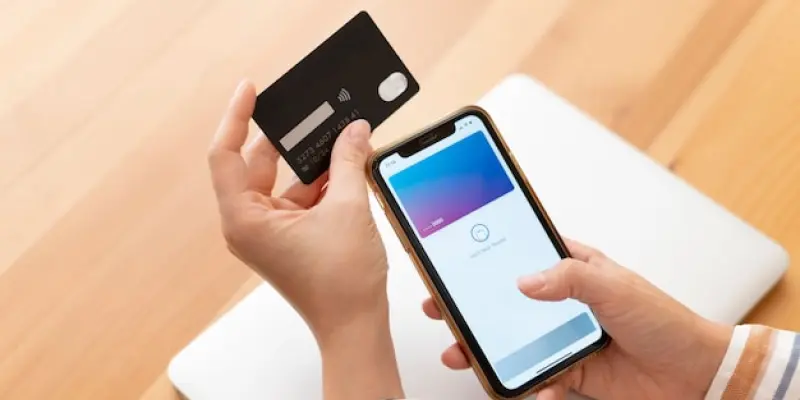
The digital payment landscape has enjoyed significant evolution with the debut of Curve Pay on iOS within the European Economic Area. Observably, Apple Pay has dominated this space, but competition is set to broaden user options and functionalities significantly. This development follows the European Commission’s antitrust ruling, compelling competition and offering alternatives to Apple Pay, particularly influencing how individuals manage online and in-store transactions. As mobile contactless payment adoption becomes prevalent, with over 60% of online and 25% of in-store transactions across Europe now digitized, Curve Pay emerges at a crucial juncture, showcasing features aimed at expanding traditional payment system capabilities. European users will enjoy real-time spending insights, post-transaction payment source switch capabilities, and the opportunity to stack rewards—all steps toward providing an advanced, versatile payment platform within one application, contrasting sharply with Apple’s more streamlined method.
Innovative Approach to Mobile Payments
Curve Pay’s staged architecture fosters an active role in the payment flows, revolutionizing mobile wallet solutions by introducing dynamic features. Among the innovations is the ability for users to change payment methods retroactively post-transaction, enhancing flexibility and control over personal finances. This agile approach allows users to split payments across cards or even earn cashback, thereby pivoting toward a more customizable and rewarding consumer experience. The unified platform also tracks spending in real time, offering integration for various accounts like PayPal, thereby centralizing financial management within a single application. CEO Shachar Bialick emphasizes this transition from monopolistic approaches to increased user choices, fortifying Curve’s commitment to zero fees. With these enhancements, Curve Pay is poised to inspire a shift toward intelligent financial behaviors, underpinning a conducive environment for wider adoption among iOS users in Europe’s extensive digital finance landscape.
Transforming Financial Habits and Card Management
Curve Wallet stands as another monumental breakthrough in simplifying financial transactions and transforming payment habits that were traditionally routine. By consolidating all cards in one secure system, Curve enables users to streamline and automate their finances without hidden fees. This holistic approach empowers consumers with feature-rich options, challenging conventional monetary management practices and encouraging a shift toward smarter, more efficient daily spending. As Curve boasts over six million users, this consolidated platform addresses broader concerns related to financial management, aiming to reshape how individuals perceive and handle their finances. Notably, Curve Pay’s potential to revolutionize digital transactions is paramount, advocating for transparency and flexibility while ensuring heightened consumer interest in optimized payment functionalities. Curve’s efforts highlight thematic progress toward unifying and refining financial interactions, establishing a new paradigm within iOS’s increasingly competitive payment environment, further reiterating its ambitious outreach goals.
Looking Into the Future of Digital Payments
The digital payment sector is undergoing a major transformation with the introduction of Curve Pay on iOS in the European Economic Area. Until now, Apple Pay has been the primary player in this domain. However, the landscape is changing, bringing more choices and enhanced functionalities to users. This shift is largely a result of the European Commission’s antitrust decision, which mandates competitive alternatives to Apple Pay, impacting how individuals manage both online and in-store payments. With mobile contactless payment becoming more widespread—over 60% of online and 25% of in-store transactions in Europe are now digital—Curve Pay is launching at a pivotal moment. It introduces features that extend the capabilities of traditional payment systems. European users will benefit from real-time spending insights, the ability to switch payment sources after a transaction, and the chance to stack rewards. These features aim to create a flexible and advanced payment platform within a single app, offering a stark contrast to Apple’s more streamlined approach.