

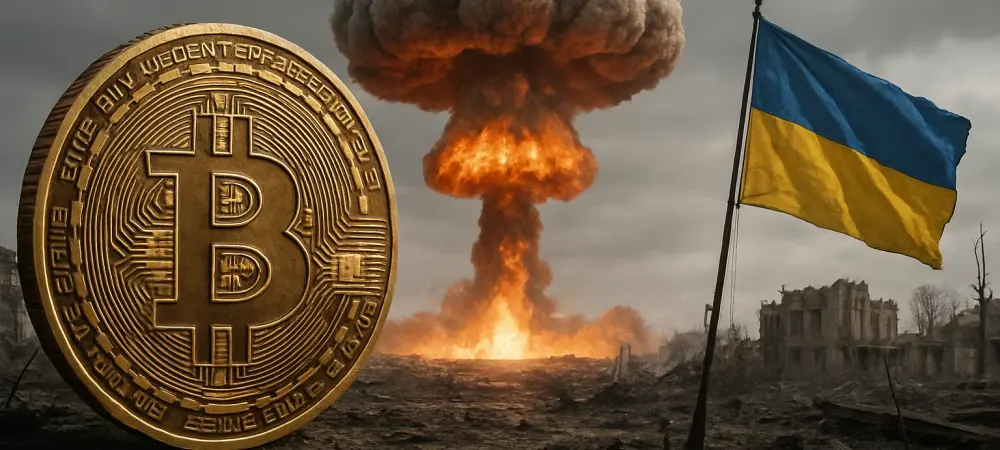
A proposal to transform Europe’s largest nuclear power plant from a geopolitical flashpoint into a sprawling Bitcoin mining operation has introduced an astonishingly modern variable into the delicate calculus of Ukrainian peace negotiations. This unprecedented initiative, tabled by the United States, suggests leveraging the disputed Zaporizhzhia Nuclear Power Plant (ZNPP) not just for energy, but as the engine for a massive cryptocurrency venture. The plan inserts a complex economic dimension into the diplomatic stalemate over the facility, which has been under Russian control since March 2022, challenging traditional notions of conflict resolution. The core concept represents a significant departure from conventional diplomacy, exploring whether a decentralized digital asset can provide a pathway to de-escalate a physical, high-stakes military confrontation.
When Geopolitics and Cryptocurrency Collide at a Nuclear Reactor
The American proposal marks a rare intersection of high-stakes international diplomacy and the burgeoning world of digital finance. By suggesting a large-scale Bitcoin mining operation at the ZNPP, negotiators are attempting to create a shared economic interest powerful enough to override military objectives. The idea hinges on the plant’s immense electrical output, which could power a globally significant mining hub, generating substantial revenue. This approach attempts to reframe the conflict over the plant from a zero-sum game of territorial control to a collaborative, wealth-generating enterprise.
This initiative is framed as part of a wider negotiation package aimed at resolving the plant’s status and securing electricity for Ukraine. The ZNPP, managed by a subsidiary of Russia’s Rosatom, is a cornerstone of Ukraine’s energy infrastructure. Its fate is therefore central to any long-term peace settlement. The introduction of Bitcoin mining into this equation is a strategic gambit, designed to create a novel incentive structure for all parties involved and break the diplomatic impasse.
The Zaporizhzhia Gambit More Than Just a Power Plant
The strategic value of the Zaporizhzhia Nuclear Power Plant cannot be overstated. As Europe’s largest nuclear facility, it is a critical asset for Ukraine’s national power grid, historically providing a significant portion of the country’s electricity. Its seizure by Russian forces early in the conflict dealt a severe blow to Ukraine’s energy security and economic stability. Consequently, regaining control over the ZNPP, or at least securing a share of its output, remains a primary objective for Kyiv.
Since its capture, the plant has become a focal point of international concern and a key bargaining chip in negotiations. The operational status and security of its reactors have been subjects of intense debate, with the International Atomic Energy Agency (IAEA) making repeated calls for demilitarization of the area. The Bitcoin proposal therefore enters a highly sensitive and contested space, attempting to monetize an asset that is as much a symbol of national sovereignty as it is a piece of critical infrastructure.
The Diplomatic Chessboard Competing Visions for a Joint Venture
The specifics of the U.S. proposal remain clouded by conflicting reports, reflecting the deep-seated mistrust among the negotiating parties. One account, emerging from Russian media, suggested an initial American offer for an exclusive joint management venture between the United States and Russia, a plan that would sideline Ukraine entirely. However, a separate report indicated a different arrangement was on the table: a tripartite joint operation with the U.S., Russia, and Ukraine as equal partners. This latter proposal was reportedly rejected by Kyiv, which viewed it as legitimizing Russian control.
In response, Ukraine has presented a clear counteroffer, signaling its willingness to engage with the economic premise but on vastly different terms. The Ukrainian government has proposed a 50-50 joint venture solely with the United States. Under this framework, Ukraine would secure 50% of the plant’s electricity to meet its domestic needs, a crucial provision for its energy independence. The remaining half would be granted to the U.S., presumably to power the envisioned Bitcoin mining activities, effectively creating a direct economic and strategic partnership between Kyiv and Washington.
The Global Context a Worldwide Race for Bitcoin Dominance
This diplomatic maneuvering is not occurring in a vacuum; it aligns with a growing global trend of nation-states embracing Bitcoin mining as a strategic economic activity. The U.S. proposal is consistent with its own significant domestic expansion in the industry, highlighted by financial products like the Grayscale Bitcoin Miners ETF. This reflects a broader recognition within American policy circles of cryptocurrency’s potential as both an economic tool and an instrument of geopolitical influence.
Other major economies are making similar strategic calculations. France, for instance, has developed a five-year plan aiming to generate $150 million from the mining sector. More surprisingly, China has quietly re-emerged as a major force in the industry. Despite a government ban, Chinese miners have reportedly reclaimed a 14% share of the global hashrate, placing the country third worldwide. This international race for hashrate dominance provides the backdrop for the ZNPP proposal, lending it a degree of strategic logic in a world where digital currency is increasingly intertwined with national power.
A Framework for Economic De-escalation
At its core, the Bitcoin proposal is an attempt to apply economic incentives to a seemingly intractable military problem. The strategy is to convert a heavily contested military asset into a source of shared, undeniable financial benefit. By establishing a joint venture focused on profit generation, the plan aims to create a cooperative dynamic that could render direct military control of the plant less critical. It leverages a decentralized, non-sovereign financial tool to potentially build a bridge between warring states.
The potential outcomes varied for each key player. For the United States, it represented a chance to gain a major economic foothold in a volatile but strategic region while simultaneously promoting a non-violent resolution. For Russia and Ukraine, it offered a pragmatic, if unconventional, pathway toward cooperation. The framework was designed to pivot their focus from territorial disputes to mutual financial gain, creating a new and potentially powerful incentive for de-escalation and long-term stability.
The bold proposal to merge nuclear power with cryptocurrency mining ultimately highlighted a new frontier in conflict resolution. It demonstrated that in an increasingly digitized world, the tools of economic statecraft were expanding to include assets and technologies that existed outside traditional financial systems. While its implementation faced immense hurdles, the conversation it sparked signaled a paradigm shift, forcing diplomats and strategists to consider how digital finance could be leveraged to solve some of the world’s most complex geopolitical challenges. The venture was a testament to the search for innovative solutions in modern warfare, where economic incentives were explored as a viable alternative to armed conflict.