

In today’s fast-paced digital age, convenience and security are paramount when it comes to payment solutions. Apple Pay, the innovative payment and digital wallet system developed by Apple, has revolutionized the way we make payments and purchases. With its seamless integration and advanced security features, Apple Pay has become a game-changer in the world of mobile payments. This article explores the benefits of Apple Pay at Target, a major retail destination, and how it has transformed the shopping experience.
Benefits of Apple Pay for payments and purchases
Apple Pay offers a host of advantages when it comes to making payments and purchases. Firstly, it eliminates the need to carry physical wallets or cards, as all the relevant information is securely stored on your iPhone or Apple Watch. This means greater convenience and a streamlined checkout process.
Moreover, Apple Pay ensures enhanced security by using a sophisticated tokenization system. This technology replaces sensitive payment information with a unique token, keeping your data safe from potential fraudsters. With Apple Pay, your card details are neither stored on the device nor shared with merchants during transactions. This level of security provides peace of mind for consumers.
The contactless payment feature of Apple Pay
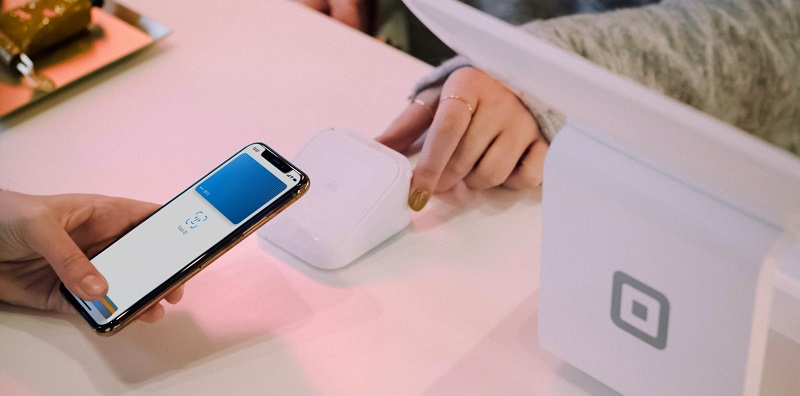
One of the standout features of Apple Pay is its contactless payment capability. This feature allows you to make payments simply by holding your iPhone or Apple Watch up to the contactless payment terminal. The near field communication (NFC) technology used in this process ensures quick and efficient transactions, minimizing the need for physical contact with the payment terminal.
Apple Pay’s contactless payment feature is not only convenient but also adds an extra layer of security. Instead of transmitting your real card details, Apple Pay uses the token generated through Tokenization technology. This token masks sensitive information, making it virtually impossible for hackers to intercept your payment data.
Compatibility of Target with Apple Pay
Target has been fully compatible with Apple Pay since 2017, making it easy and secure to make purchases both in-store and online. Whether you’re shopping for groceries, clothing, electronics, or anything else Target offers, Apple Pay simplifies the payment process.
Using Apple Pay at Target in-store
When shopping at Target in-store, using Apple Pay is a breeze. After selecting your items and heading to the checkout counter, simply approach the payment terminal and authorize the purchase by placing your iPhone or Apple Watch near the contactless reader. Within seconds, the payment will be processed, and you’ll receive a confirmation on your device.
Using Apple Pay at Target online
Apple Pay can also be used for smooth and secure online purchases at Target. In the Target app or website, select the desired product, proceed to the payment screen, and choose Apple Pay as your payment method. Authenticate the transaction with Touch ID or Face ID, and your purchase will be finalized without the need to manually enter card details.
Apple Pay at self-checkouts in Target
For those who prefer the convenience of self-checkout, you’ll be pleased to know that Apple Pay is accepted as a payment method at Target’s self-checkout registers as well. Follow the on-screen instructions, and use your iPhone or Apple Watch to make swift and secure payments.
Troubleshooting tips for Apple Pay not working at Target
In rare instances when Apple Pay may not function as expected, there are a few troubleshooting tips you can try. First, ensure that your device has a stable internet connection, as this is necessary for transactions to process smoothly. Double-check that the card information stored in the Wallet app is accurate and up-to-date. If issues persist, consider updating your device’s software to the latest version. In more complex cases, contacting your bank or reaching out to Apple support may be necessary to resolve any underlying issues.
Revolutionizing the shopping experience with Apple Pay
Apple Pay has truly revolutionized the way we make payments, providing a seamless and secure experience. By combining convenience, speed, and advanced security measures, Apple Pay has become a preferred choice for millions of consumers. Its integration with Target enhances the overall shopping experience, allowing for quick and hassle-free transactions across all platforms.
Target’s acceptance of various payment methods, including Apple Pay
Besides Apple Pay, Target supports a variety of payment methods to cater to diverse customer preferences. This includes the Target RedCard, third-party credit and debit cards, and Target gift cards. The flexibility to choose the most convenient payment option aligns with Target’s commitment to ensuring a seamless shopping experience for all customers.
In conclusion, Apple Pay has transformed the way we make payments and purchases at Target. Its user-friendly interface, enhanced security measures, and compatibility with Target’s platforms have made it a go-to payment solution for many consumers. Whether you shop at Target in-store or online, Apple Pay provides a seamless and secure experience, enhancing convenience and peace of mind. So, the next time you head to Target, consider using Apple Pay for a fast, secure, and hassle-free checkout process.