

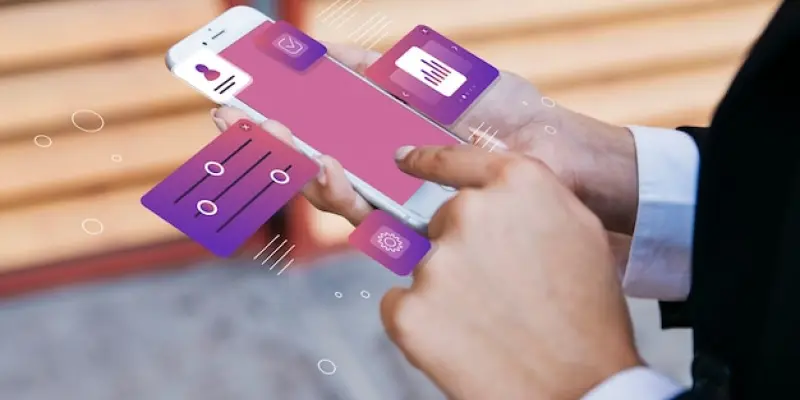
The evolving landscape of customer loyalty programs in today’s digital age has seen a significant transformation driven by advancements in technology. Increasing consumer expectations for meaningful and personalized interactions have been fueled by ubiquitous devices such as smartphones, wearables, and voice-activated gadgets. Traditional loyalty programs that were once effective are now often seen as insufficient in capturing genuine, lasting loyalty from modern consumers who seek deeper and more connected experiences with their preferred brands.
Co-Branded Programs as a Catalyst for Engagement
One of the most effective strategies for fostering deeper customer engagement is the implementation of co-branded programs. Modern consumers are not just looking for basic incentives; they crave personalized and valuable interactions that make them feel truly connected to a brand. To meet these expectations, brands must invest in the right infrastructure to offer meaningful connections. By doing so, they can enhance customer satisfaction and drive a virtuous cycle of loyalty that ultimately optimizes cost efficiency. A prime example of the success of co-branded programs can be seen in the airline industry, where co-branded credit cards offer a myriad of benefits. These cards often provide priority boarding, complimentary lounge access, and the ability to earn frequent flyer miles not only through airline purchases but also through everyday spending. This extended earning potential keeps customers engaged with the brand continuously, even when they are not traveling. The cumulative effect of earned miles incentivizes customers to plan future trips or upgrade their travel experiences, ensuring a sustained connection with the airline over the long term.
Furthermore, co-branded loyalty programs often collaborate with multiple partners to offer integrated rewards, which can significantly enhance customer engagement. Through strategic partnerships, brands can create a more extensive network of affiliated businesses that allows customers to earn and redeem rewards across various categories. This approach not only diversifies the ways in which customers can benefit from the program but also strengthens their emotional bond with the brand by showcasing a commitment to offering valuable and holistic experiences.
The Role of Digital Payments in Enhancing Loyalty
The convenience brought about by digital payment methods such as contactless payments, mobile wallets, and QR codes has notably boosted consumer engagement. These payment methods provide seamless and hassle-free transaction experiences, which are highly valued by today’s consumers. For brands, leveraging these digital payment methods is crucial as they open new avenues for customer engagement and allow the collection of consumer-permissioned data to gain deeper insights into preferences and behaviors.
For instance, a customer who regularly purchases coffee after filling up their gas tank could receive a digital discount through a mobile app, encouraging them to spend more time at the coffee shop. This use of personalized data not only enhances the overall customer experience but also drives business to multiple partners involved in the loyalty program. By offering personalized promotions through digital payment platforms, brands can create more meaningful and relevant interactions with their customers, thus increasing their likelihood of staying loyal.
Moreover, the integration of digital payment methods into loyalty programs can streamline the rewards redemption process, making it more convenient for customers to earn and use their rewards. This simplicity eliminates potential friction points that might deter customers from participating in the program fully. As a result, customers are more likely to engage with the brand regularly, leading to higher levels of loyalty and a stronger overall relationship.
Consumer-Permissioned Data and Personalization
The concept of consumer-permissioned data is central to creating a positive feedback loop, or virtuous cycle, in customer loyalty. By providing participants with personalized offers that anticipate their needs and preferences, brands can elevate customers from basic to premium engagement levels. This increased engagement not only influences purchasing decisions across different categories but also turns customers into brand ambassadors who actively promote the brand to others.
Personalized offers play a crucial role in enhancing engagement and driving higher spending. For example, Mastercard has observed a 20% increase in spending among cardholders who participated in and redeemed digital offers. This approach ensures that customers receive tailored promotions that resonate with their specific interests and behaviors. By focusing on those with the highest likelihood of conversion, brands can optimize their return on investment and strengthen their relationship with customers. Additionally, the use of consumer-permissioned data allows brands to continually refine and improve their offerings. As customers engage more with the loyalty program and share their preferences, brands gain deeper insights into what drives their behavior. This valuable information can be used to develop more targeted and effective strategies, ensuring that customers receive the most relevant and appealing rewards and experiences. By continually evolving and adapting their loyalty programs to meet customer needs, brands can foster a dynamic and sustainable cycle of engagement that keeps customers coming back.
The Future of Co-Branded Loyalty Programs
The landscape of customer loyalty programs has undergone a significant transformation in today’s digital age, driven largely by advances in technology. With the proliferation of devices such as smartphones, wearables, and voice-activated gadgets, consumer expectations have shifted dramatically. Nowadays, consumers demand meaningful, personalized interactions and experiences from the brands they cherish. Traditional loyalty programs, which once sufficed, are increasingly viewed as inadequate for fostering the genuine, lasting loyalty that modern consumers seek. These customers no longer find simple point systems or basic rewards appealing; instead, they yearn for deeper, more connected experiences that resonate on a personal level. Brands are now tasked with reimagining their loyalty strategies to incorporate technology-infused personalization and engagement. By creating a seamless, immersive connection through digital tools, companies can better capture the hearts and minds of their customers, leading to enduring brand loyalty in this fast-evolving technological era.