

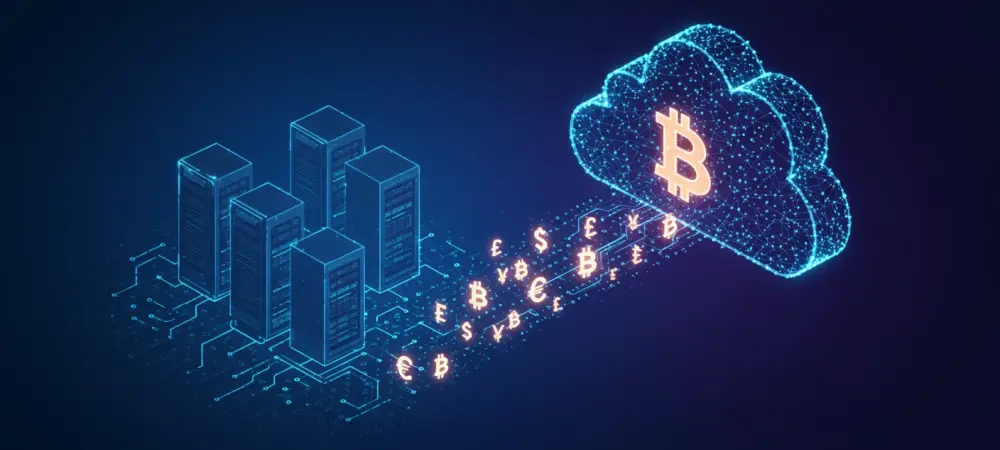
Welcome to an insightful conversation with Nicholas Braiden, a pioneering figure in the realm of blockchain and financial technology. As an early adopter of blockchain and a seasoned FinTech expert, Nicholas has dedicated his career to harnessing technology for innovation in digital payments and lending systems. Today, we dive into the world of cloud mining and explore how his expertise has shaped a leading platform in this space. Our discussion touches on the transformative power of cloud mining, the unique features that set his platform apart, the importance of security and sustainability, and the exciting opportunities for investors looking to earn passive income through cryptocurrencies.
How did you first recognize the potential of cloud mining as a game-changer for cryptocurrency investors?
I’ve always been fascinated by how technology can democratize access to complex systems, and cryptocurrency mining was a prime example of an area ripe for innovation. Back in the early days of Bitcoin, I saw how traditional mining was out of reach for most people—expensive hardware, sky-high electricity bills, and the technical know-how were huge barriers. Cloud mining emerged as a solution to level the playing field, allowing everyday investors to participate by renting computing power from professional facilities. It was clear to me that this could open up the crypto space to millions, and that’s what drove me to focus on building a platform that prioritizes accessibility and efficiency.
Can you break down the concept of cloud mining for someone who’s just stepping into the cryptocurrency world?
Absolutely. Cloud mining is essentially a way to mine cryptocurrencies like Bitcoin or Ethereum without owning or managing any physical equipment. Instead, you rent mining power from a data center that’s already set up with high-performance hardware. These facilities handle everything—maintenance, electricity, cooling—so you don’t have to worry about a thing. As a user, you sign up for a contract, pay a fee for the computing power, and start earning a share of the mined coins, which are deposited into your account, often daily. It’s a hands-off way to get involved in crypto mining and generate passive income.
What makes your platform stand out in the crowded field of cloud mining services?
I believe it’s a combination of innovation and trust. We’ve integrated an AI-driven system that dynamically allocates computing resources to optimize returns based on market conditions and mining difficulty. Beyond that, we’re committed to sustainability, using clean energy for our mining operations, which not only reduces our carbon footprint but also keeps costs stable over time. With over 8 million users globally, I think our transparency and focus on user experience have been key to building trust. People know we prioritize their success and security, and that’s reflected in our community.
Speaking of security, how do you ensure users’ investments and data are protected on your platform?
Security is non-negotiable in this industry. We’ve partnered with leading providers to implement bank-grade protections, including advanced encryption and DDoS prevention to safeguard user data. Additionally, we use cold wallet storage for the majority of our funds, which means they’re kept offline and out of reach from potential hacks. This multi-layered approach ensures that both the cryptocurrencies users earn and their personal information are as secure as possible, giving them peace of mind to focus on growing their investments.
I understand you offer a variety of mining contracts. Can you walk us through how these cater to different types of investors?
We’ve designed our contracts to be flexible, whether you’re a complete beginner or a seasoned investor. For newcomers, we have an entry-level contract starting at just $100, which lets you dip your toes into cloud mining with minimal risk while still earning a small profit. On the other end, we offer high-tier plans, like a $6,300 contract, which are tailored for those ready to commit more capital for significantly higher returns. The best part is that the initial investment is returned at the end of the contract period across all plans, and daily profits are credited automatically, making it a straightforward way to build wealth over time.
How does your platform simplify the process of earning passive income through cloud mining?
We’ve worked hard to remove any friction from the user experience. Getting started is as easy as signing up with an email and selecting a mining plan with a single click—no complicated setups or tech skills needed. Once you’re in, profits are credited to your account every 24 hours, and you can withdraw them anytime. This seamless process, combined with the ability to mine multiple cryptocurrencies, ensures that earning passive income isn’t just possible but incredibly accessible for everyone.
With the crypto market heating up, why do you think now is the right time for people to explore cloud mining?
The timing couldn’t be better. We’re seeing Bitcoin approach all-time highs, Ethereum gaining traction from recent ETF approvals, and other coins like Ripple expanding their ecosystems. These market dynamics create a fertile ground for mining profitability. Cloud mining offers a low-barrier entry point to capitalize on this momentum without the upfront costs or complexities of traditional mining. It’s a strategic way to diversify income streams and build long-term wealth, especially as cryptocurrencies continue to gain mainstream acceptance.
What is your forecast for the future of cloud mining and its role in the broader cryptocurrency landscape?
I’m incredibly optimistic about cloud mining’s future. As blockchain technology evolves and more people seek exposure to cryptocurrencies, I expect cloud mining to become a cornerstone of retail investment strategies. We’re likely to see even more innovation in efficiency and sustainability, making it an attractive option for environmentally conscious investors. Additionally, as regulatory frameworks mature, platforms like ours will play a pivotal role in bridging the gap between traditional finance and the crypto world, offering secure, scalable ways to participate in this digital revolution.