

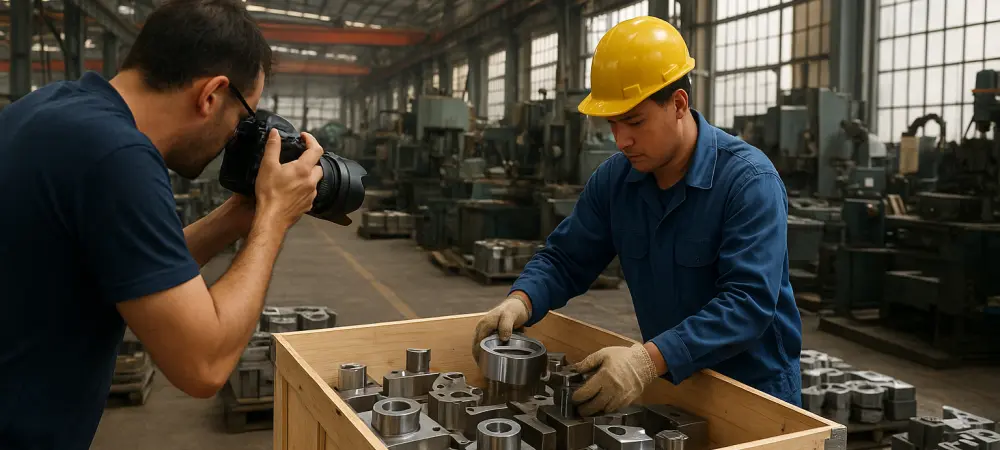
The high-pitched whine of a tunnel drilling machine operating in the rugged terrain of Kazakhstan now traces its origin to a single digital transaction initiated thousands of miles away in Chongqing. This moment signifies a monumental pivot in the global trade architecture, where massive industrial equipment is no longer confined to the dusty catalogs of middleman distributors or the biennial schedules of physical trade fairs. Instead, the “factory floor” of the world is speaking directly to its international clients, utilizing a sophisticated web of digital storefronts and real-time logistics tracking that was once the exclusive domain of small consumer electronics and apparel. The expansion of China’s industrial cross-border e-commerce (CBEC) sector represents a maturation of the digital economy, moving beyond simple retail toward a complex infrastructure of professional procurement. As global supply chains continue to seek efficiency and transparency, the ability for a factory in an inland hub to fulfill an order for specialized precision hardware in South America signifies a deep structural change. This shift is not merely about sales volume but about the democratization of industrial access, where even small-scale manufacturers can deploy advanced technological tools to navigate the intricate requirements of international commerce without the traditional overhead of a massive sales force.
The End of the Middleman: How Heavy Machinery Found a Digital Home
The traditional image of a factory owner waiting months for a trade fair invitation to meet a single overseas distributor is rapidly fading into history. In its place, a new reality has emerged where heavy machinery manufactured in regional hubs like Chongqing can be sold to international contractors via a few clicks on a digital platform. This shift represents more than just a change in sales tactics; it is a fundamental restructuring of how the global manufacturing sector connects with demand. By bypassing layers of wholesalers and retailers, manufacturers are now engaging directly with end-users, transforming the cross-border e-commerce landscape from a niche for trinkets into a powerhouse for heavy industry. This direct connection allows for more competitive pricing and a clearer understanding of how equipment performs in the field. Consequently, the digital home for industrial goods has become a permanent fixture in the global market, replacing the outdated reliance on intermediary agents.
Why the Migration to Digital B2B Trade Matters Now
The evolution of the export model is a response to a global appetite for streamlined procurement and higher profit margins for producers. Historically, the digital trade space was dominated by consumer goods, but the professionalization of B2B e-commerce has opened the floodgates for industrial goods. This transition is critical because it allows small and medium-sized enterprises to compete on the world stage without the need for massive international sales teams.
Furthermore, as global supply chains face pressure to become more efficient, the ability to source industrial components directly from the manufacturer reduces costs and minimizes the lag time between production and delivery. In an environment where speed and cost-efficiency are paramount, the digital B2B model provides a level of agility that traditional shipping and brokerage methods simply cannot match. This migration ensures that the supply chain remains resilient in the face of changing global economic conditions.
Key Drivers of the Industrial E-Commerce Expansion
Manufacturers have successfully moved from being passive suppliers to active brand owners. By leveraging digital platforms, companies are reaching niche markets with specialized products, such as AI-powered cameras and precision hardware. This transformation empowers factories to dictate their own brand narratives and customer relationships, ensuring that their technical expertise is recognized directly by the global buyer. Chongqing has emerged as a strategic inland hub with over 20,000 CBEC operators in its national pilot zone. The city utilizes its robust logistics network to export motorcycle components and infrastructure equipment, generating billions in trade volume. From 2026 to 2028, this growth trajectory is expected to further solidify the region’s role as a primary gateway for industrial exports, moving beyond traditional coastal manufacturing centers.
Technological integration has lowered the barrier to entry for international trade. AI-powered tools now automate customs documentation and logistics management, allowing smaller factories to handle complex international compliance with ease. This “digital toolkit” provides a streamlined path for manufacturers to enter foreign markets, reducing the technical friction that previously discouraged small-scale industrial exporting. Data-driven financing solutions have also solved the perennial liquidity issues associated with long export cycles. Modern platforms use real-time transaction and logistics data to provide credit to manufacturers, ensuring the sustainability of the supply chain. This financial innovation allows factories to maintain steady production levels even when dealing with the extended timelines inherent in international shipping.
Insights From Industry Leaders and Trade Experts
Expert consensus from major players like Miduoduo Group Inc. and Zonsen Group suggests that industrial buyers have permanently shifted their habits toward digital inquiries. CEOs emphasize that removing intermediary distributors allows for a “unified understanding” of market demand, where real-time feedback from overseas buyers directly informs the production line. This feedback loop creates a more responsive manufacturing process that can adapt to specific regional requirements.
However, experts also warn that industrial products require a higher threshold of trust than consumer goods. Success in this sector is increasingly dependent on a manufacturer’s ability to provide technical reliability and robust after-sales service across different time zones. To remain competitive, companies must prove their expertise through detailed technical specifications and verifiable performance data, building a reputation for reliability that transcends digital interfaces.
Strategies for Transitioning From Consumer to Industrial Exporting
Unlike consumer goods that rely on traffic algorithms and visual appeal, industrial marketing must prioritize technical parameters and certifications. Manufacturers should focus on presenting reliability data and precision specifications that meet the exacting standards of professional engineers. Building a digital presence around technical authority is essential for capturing the attention of B2B buyers who prioritize performance over aesthetics. Manufacturers must also evolve into service providers by developing a service-oriented mindset. This involves establishing remote technical support teams and ensuring that after-sales assistance is available to international clients in their local languages. Providing a comprehensive support ecosystem ensures that the initial sale leads to long-term partnerships and repeat business in the industrial sector. Optimizing the supply chain for direct fulfillment is another essential step for maximizing margins. Manufacturers should aim to move from a four-step traditional distribution model toward a two- or three-step digital model. By reducing the points of contact in the distribution chain, factories can retain a larger share of the value while offering more favorable terms to the end purchaser. Success in markets like Thailand or Zambia requires specialized lead generation for long-tail products. Companies should focus on niche industrial tools and energy equipment that meet specific regional infrastructure needs. Tailoring the marketing message to address the unique challenges of different geographic markets allows manufacturers to establish a foothold in emerging economies where industrial demand is growing rapidly.
The transition to a digital-first industrial export model was completed as manufacturers embraced the transparency of the new system. Stakeholders recognized that the removal of unnecessary intermediaries provided the clarity needed to scale operations across diverse international markets. The sector established a new baseline for global trade efficiency, ensuring that technical expertise and data-driven logistics guided every major transaction. These advancements fostered a more equitable marketplace where the quality of the product and the reliability of the service determined long-term success. Over the course of the year, the industry successfully proved that digital platforms could handle the weight of heavy machinery with the same ease as the lightest consumer goods. This evolution provided a resilient framework for the future of global industrial procurement and specialized manufacturing.