

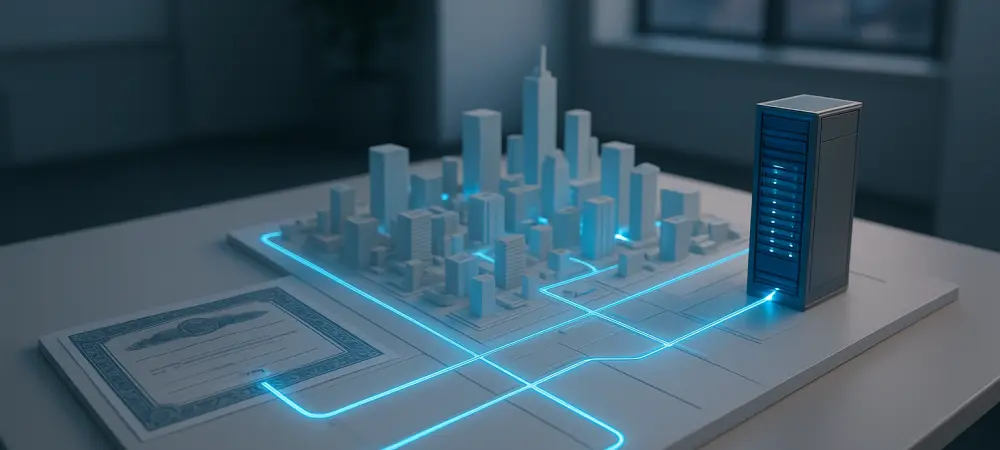
Blockchain technology is being used to transform traditional brokerage accounts into programmable digital assets that can be utilized within automated lending markets. That shift matters because it moves stocks out of a closed brokerage environment and into a system where prices, collateral rules, and settlement logic can be handled by code instead of manual processes. On Base, Chainlink’s specialized feeds gave tokenized versions of Nvidia, Meta, Apple, and Alphabet a market structure that could connect with DeFi without stripping away the value of the underlying shares. The result was not a simple wrapper around equities. It was a new operating layer that made real-world assets easier to price, borrow against, and move across on-chain venues while still keeping compliance and custody in view.
Bridging Traditional Equity and On-Chain Assets
The Mechanics of Issuance and Ownership Rights
The B20 tokens were issued by Coinbase Onchain SPV Ltd. under the supervision of Abu Dhabi Global Market, which gave the structure a defined legal and regulatory frame instead of leaving it as an informal tokenization experiment. Each token was backed one for one by shares held in custody at Alpaca Securities, creating a direct economic link between the digital asset and the public-market stock. Even so, the arrangement did not turn a wallet balance into a standard brokerage account. Holders received beneficial ownership rather than direct registration, and that distinction mattered because it shaped how dividends, corporate actions, and voting participation were handled. The design made the token more useful than a synthetic price exposure product, yet it still kept the underlying legal claims separated from ordinary share certificates.
Compliance Guardrails And Market Access
That structure also explained why access was not fully open. The tokens operated under Regulation S, which restricted them to non-U.S. investors and placed the product within a familiar cross-border compliance model. A permissioned layer was necessary because redemption and voting rights required identity checks before any sensitive shareholder function could be exercised. This mattered for institutions as much as for traders, since tokenized equities only scale when the compliance path is as reliable as the price feed. The practical effect was a narrower but cleaner market, one that could offer exposure to major U.S. companies while avoiding the confusion that often surrounds loosely governed tokenized stock products. In that sense, the structure made the asset more credible by limiting who could move it and how it could be used.
The Infrastructure Of Real-Time Valuation
Chainlink Oracles And Total Return Calculations
Chainlink’s role was to make the tokenized equities usable inside an always-on blockchain environment that never pauses for market close. Its V3 aggregator framework supplied the feeds that DeFi protocols needed to value B20 tokens against the share prices behind them, while also accounting for extended trading hours when available. The more technical challenge was total return valuation. Because dividends affect the economic value of a stock over time, the feeds had to reflect reinvested returns so the token-to-share ratio stayed accurate instead of drifting. That kind of adjustment is easy to overlook, but it is essential when a lending protocol must decide whether a token still meets collateral thresholds. The system worked best when market data remained current and predictable, which is why the design was built around precise reference pricing rather than broad estimates.
Collateral, Liquidity, And Trading Routes
The strongest use case emerged when these tokenized stocks were plugged into lending and trading venues. Aave, Morpho, and Euler could use the assets as collateral, letting holders borrow stablecoins without selling exposure to Nvidia, Apple, Meta, or Alphabet. That opened a more flexible form of liquidity management, especially for investors who wanted to keep upside participation while still accessing cash on demand. At the same time, Aerodrome and 1inch added secondary-market movement, which gave the tokens a broader trading path inside crypto markets. The weekend problem remained, however, because U.S. stock markets close while blockchains keep running, and Chainlink’s feeds stayed static during those gaps. Protocols that accepted the tokens therefore had to plan for price shocks, weekend risk, and liquidity stress instead of assuming a continuous market.
What The Market Needed To Do Next
The broader lesson was that tokenized equities had only become useful when legal structure, custody, pricing, and DeFi integration were aligned at the same time. Platforms that wanted to support similar assets had to keep collateral factors conservative, monitor oracle behavior closely, and build redemption workflows that could handle compliance checks without slowing settlement. They also had to account for market closures in their risk models, since stale prices could create sharp mismatches between token value and borrowing power. The most durable next step was not broader hype around tokenization, but tighter integration between regulated issuance, verified ownership, and resilient oracle design. That combination had already shown how traditional equities could function as on-chain financial primitives, and it had set a clear standard for the next wave of real-world assets.