

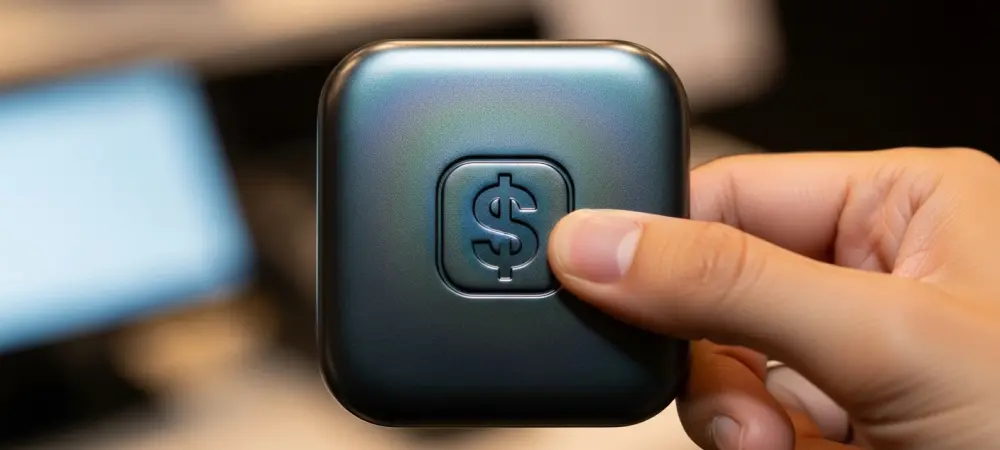
Modern financial technology has moved beyond the constraints of traditional plastic cards, embracing a new era where payment methods double as personal fashion statements and collectible artifacts. As mobile wallets become the standard for millions of users globally, the physical sensation of a transaction has largely disappeared into the background of smartphone screens and biometric scans. To bridge this gap between the tactile world and digital ledgers, Cash App has introduced a series of collectible tap-to-pay NFC wands that transform the mundane act of checking out into a whimsical experience. These devices represent a significant pivot toward lifestyle-oriented banking, where the utility of a transaction is paired with the tangible satisfaction of wielding a physical object. By leveraging Near Field Communication technology, these wands allow users to authorize payments with a simple wave, effectively turning the checkout counter into a stage for modern financial interaction and brand engagement.
The Convergence of Physical Craftsmanship and Digital Utility
Strategic Design and the Appeal of Limited Editions
The decision to launch physical wands stems from a deep understanding of consumer psychology, specifically the desire for exclusivity and the “drop” culture that has historically dominated the fashion and sneaker industries. Each wand is crafted with distinct color palettes and textures, ranging from minimalist matte finishes to high-gloss vibrant gradients that cater to diverse aesthetic preferences among the user base. Unlike a standard debit card that remains hidden in a wallet, these wands are designed to be displayed, often featuring attachment points for keychains or lanyards that integrate them into a person’s daily attire. The transformation of a financial tool into a collectible accessory ensures that the brand remains visible in the physical world, creating a constant touchpoint that traditional digital-only banks often struggle to maintain. The rarity of certain wand variants drives a sense of urgency and community engagement, as users seek to acquire the specific designs that best represent their individual style.
Ergonomics and the Psychology of Conscious Spending
Beyond the visual appeal, the ergonomics of these wands have been meticulously engineered to provide a satisfying weight and balance in the hand, mimicking the feel of a premium instrument rather than a disposable tool. This tactile feedback is essential for building a psychological connection between the user and their spending habits, as the physical motion of tapping a wand provides a more conscious realization of the transaction than a passive phone tap. Market research suggests that younger demographics, particularly those who value self-expression through their possessions, are more likely to engage with financial platforms that offer these types of unique physical interactions. The wands also serve as a conversation starter at the point of sale, naturally generating organic word-of-mouth marketing as onlookers witness the unique payment method. This strategy reinforces the idea that finance does not have to be a cold or clinical process, but can instead be an extension of identity and a more mindful approach to daily consumption.
Technical Infrastructure and the Future of Contactless Commerce
Security Protocols and Seamless Hardware Integration
While the external design of the wands captures the imagination, the internal architecture is built upon robust security protocols that ensure every transaction remains encrypted and protected against unauthorized access. Each wand contains a secure element chip that mirrors the technology found in high-end credit cards and modern smartphones, providing a hardware-based layer of defense for the user’s financial data. When brought within range of an NFC-enabled terminal, the device initiates a dynamic tokenization process, which means the actual account details are never shared with the merchant. Instead, a unique, one-time code is generated for that specific transaction, drastically reducing the risk of fraud or data breaches during the payment process. This level of security is crucial as the fintech landscape continues to evolve, necessitating tools that are as safe as they are convenient. Furthermore, the wands are fully integrated into the existing Cash App ecosystem, allowing users to manage their balance, view transaction history, and freeze the device instantly if it is ever lost or stolen, providing peace of mind in an era of digital theft.
Actionable Steps for Navigating the New Payment Landscape
Embracing these tangible payment tools offered a clear path toward a more engaging and secure financial future, where every transaction became an opportunity for personal expression and technological exploration. Users benefited from the unique blend of security and novelty, proving that functional technology could still provide a sense of delight and utility in daily life. To ensure longevity, consumers needed to treat these wands as both a financial asset and a delicate piece of hardware, ensuring the internal NFC coils remained free from significant physical trauma or water damage. By prioritizing firmware synchronization via the primary mobile interface, individuals maintained the highest standards of encryption and transaction speed during their shopping experiences. This shift toward collectible hardware ultimately redefined the relationship between the consumer and their digital wallet, making the act of payment a more intentional and visible part of the social experience across various retail environments.