

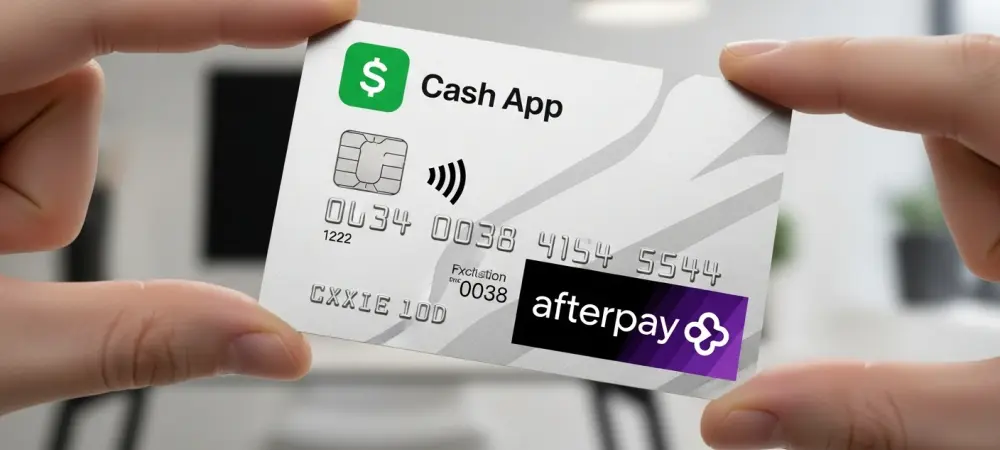
The traditional boundaries separating short-term credit solutions from daily transactional banking are rapidly dissolving as Block, Inc. implements a transformative update to its flagship Cash App Card ecosystem. By integrating Afterpay’s buy-now-pay-later functionality directly into the card experience, the company is effectively democratizing access to credit for routine purchases that were once considered outside the scope of installment-based lending. This strategic maneuver allows eligible users to apply flexible payment plans to almost any transaction made at merchants accepting Visa, including essential locations like neighborhood grocery stores, pharmacies, and local gas stations. It marks a significant departure from the early days of buy-now-pay-later services, which focused primarily on fashion, electronics, and luxury retail items. Now, the emphasis has shifted toward providing a practical utility that supports the immediate liquidity needs of millions of consumers who are navigating a complex and often volatile economic landscape where the cost of living continues to exert pressure on monthly household budgets.
Supporting the Modern Workforce
The primary motivation behind this initiative lies in the recognition of the shifting nature of the modern labor market, which increasingly relies on gig workers, freelancers, and independent contractors. These individuals frequently navigate a financial reality characterized by irregular income streams that do not necessarily align with the rigid, fixed timing of monthly bills and daily essential costs. Traditional banking institutions have historically struggled to accommodate this segment of the workforce because their legacy systems are built upon the assumption of steady, bi-weekly salary schedules. This lack of alignment often leaves workers in the modern economy vulnerable to short-term liquidity gaps even if their overall annual earnings are substantial. By introducing a tool that allows for immediate payment flexibility, the platform is addressing a structural failure in the traditional credit market that has long ignored the needs of those who operate outside the standard corporate payroll structures of previous decades.
Building upon this foundation, the integration provides a vital bridge that helps synchronize spending habits with actual income arrival rather than forcing users to adhere to an arbitrary calendar. This hyper-personalized approach to micro-credit prioritizes the real-time needs of the consumer, allowing them to manage their cash flow with a degree of precision that was previously unavailable to the average cardholder. Instead of being forced to wait for a specific payday to cover a necessary expense, users can leverage the six-week installment structure to smooth out their financial obligations. This helps mitigate the stress often associated with variable paychecks and prevents the accumulation of late fees or other penalties that can arise when cash is temporarily tight. By offering a reliable safety net that moves at the speed of the user’s life, the service fosters a more resilient financial environment where people are empowered to make decisions based on their current liquidity.
Transparent Pricing and Simple Mechanics
The structural design of the new Afterpay feature emphasizes simplicity and transparency, specifically aiming to help users avoid the dangerous revolving debt cycles typically associated with credit cards. Unlike traditional credit products that utilize complex compound interest models where debt can grow exponentially if not managed perfectly, this solution employs a straightforward and predictable fee structure. Users are charged a flat 7.5% finance fee for each transaction, providing immediate clarity on the total cost of borrowing before the purchase is even finalized. Payments are then spread out over a manageable six-week period and divided into six equal weekly installments, ensuring that the balance is settled quickly and systematically. This transparent model eliminates the ambiguity of minimum payments and varying interest rates, allowing for a higher level of financial literacy among users who want to know exactly how much they owe and when their obligation will be fully satisfied. Accessibility remains a cornerstone of this financial framework, as the product is designed to be utilized without a down payment at the point of sale and does not negatively impact the user’s credit score. The transaction limits are remarkably flexible, starting at a minimum of just one dollar and extending up to a maximum of one thousand dollars depending on the specific profile and behavior of the individual user. This wide range allows the tool to be effectively applied to both small, routine needs like a daily commute or a pharmacy visit and larger, more significant costs such as an emergency car repair. By removing the long-term financial burden typically associated with high-interest credit lines, the system provides a low-friction entry point for those who need a temporary extension of their purchasing power. This democratization of credit ensures that even minor financial hurdles do not escalate into major crises due to a lack of affordable and immediate funding options.
Using Real-Time Data for Fair Access
A significant technical evolution driving this launch is the transition from reliance on historical credit scoring to a more sophisticated model based on real-time data underwriting. Traditional lending mechanisms usually look backward at a person’s financial history, often relying on data points that are several months or even years out of date and fail to capture current financial health. In contrast, this platform analyzes live data streams, including internal cash flow patterns and peer-to-peer transaction history within its own vast ecosystem, to make instantaneous and highly accurate risk assessments. This shift toward behavioral data allows for a more nuanced understanding of a user’s ability to repay, focusing on their current liquidity and spending habits rather than a static snapshot from the past. By leveraging the wealth of information generated within the app, the system can offer credit with a level of confidence that legacy banking institutions simply cannot replicate.
This data-driven approach allows the platform to extend essential financial tools to a much broader demographic, particularly those who have been ignored or categorized as subprime by legacy lenders. By focusing on actual cash flow and consistent financial engagement rather than just a three-digit score from a credit bureau, the system identifies responsible borrowers who might otherwise lack a traditional credit profile. This inclusion is critical for younger consumers or those new to the banking system who have steady income but haven’t yet built an extensive credit history through traditional means. It ensures that credit availability is rooted in current financial reality, making the ecosystem more equitable and responsive to the needs of a diverse user base. Furthermore, this real-time monitoring allows the platform to adjust limits dynamically, providing more breathing room as users demonstrate consistent repayment behavior over time, thus building trust through actual performance.
Market Impact and Consumer Loyalty
Early evidence gathered during the pilot phase of this project revealed a remarkably high level of consumer adoption and a strong tendency toward repeat usage among the initial user group. Statistics indicated that more than sixty percent of participants who tried the Afterpay feature on their Cash App Card continued to use it at least five times within the subsequent four-month period. Such a high frequency of interaction suggests that consumers are not viewing this service as a one-time emergency solution for unexpected bills, but rather as a routine budgeting tool for managing their everyday lives. This shift in perception is significant because it indicates that the buy-now-pay-later model is becoming a permanent fixture in how people plan their weekly spending. As users integrate these installment plans into their habitual grocery shopping or fuel purchases, the line between traditional debit spending and manageable credit spending continues to blur in a way that favors consumer flexibility. The widespread rollout of this integrated feature signals a major competitive challenge to the long-standing dominance of traditional commercial banks and revolving credit card issuers. By embedding BNPL capabilities directly into a physical and virtual card that functions across the entire Visa network, the friction once associated with merchant-specific partnerships has been completely removed. This move effectively turns every merchant in the world into an Afterpay partner, bypassing the need for individual integrations and giving the consumer ultimate control over where and how they use their credit. As millions of people adopt this model for their daily necessities, the platform moves closer to becoming a comprehensive financial hub that can realistically replace the need for a conventional bank account. This transition is forcing the broader financial services industry to rethink its approach to consumer lending, as the demand for more transparent and accessible tools continues to grow.
The Path Toward Financial Resilience
The successful implementation of this integrated payment system demonstrated that consumers were ready to embrace more flexible financial structures for their everyday expenditures. Users who strategically leveraged the installment feature found that they could better manage the timing of their outflows to align with their actual earnings, reducing the need for high-cost payday loans or other predatory lending products. This shift provided a clear pathway for individuals to maintain their standard of living during periods of price volatility without compromising their long-term financial health. The move also highlighted the importance of user-centric design in fintech, as the simplicity of the interface allowed for rapid adoption across various age groups and economic backgrounds. By prioritizing transparency and immediate utility, the platform established a new benchmark for what a modern debit card could offer, moving beyond simple transactions toward a more holistic form of personal wealth management.
Looking back at the trajectory of the industry, this development represented a fundamental pivot toward a more inclusive and technologically advanced financial landscape. It showed that real-time data and behavioral insights could effectively replace outdated credit scoring systems to provide fair access to credit for a global workforce. Financial institutions that observed this transition recognized that the future of banking resided in the ability to provide instant, flexible solutions that adapted to the unique needs of each individual. The integration served as a catalyst for further innovation, prompting other players in the market to explore similar models that prioritized consumer control and fee transparency. Ultimately, the move solidified the role of digital-first platforms as the primary drivers of financial evolution, ensuring that the tools used for daily commerce were as dynamic and resilient as the people who relied on them every day to navigate the complexities of modern life.