

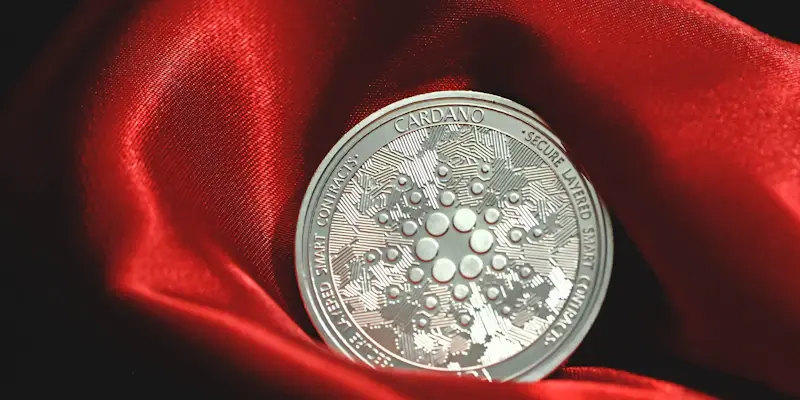
The evolving world of cryptocurrencies is witnessing exciting developments as discussions unfold regarding a potential collaboration between Cardano and Ripple to promote the Ripple USD (RLUSD) stablecoin’s adoption. This prospective partnership could yield significant advantages for both blockchain platforms, leveraging their unique strengths to bolster the RLUSD’s presence in the market. Charles Hoskinson, co-founder of both Cardano and Ethereum, recently disclosed ongoing talks with Ripple to explore the possibility of hosting RLUSD on the Cardano blockchain. Ripple currently issues RLUSD on the Ethereum and XRP Ledger (XRPL) platforms, and its CEO, Brad Garlinghouse, is considering expanding it to additional platforms, with Cardano emerging as a promising candidate.
Discussions and Vision Alignment
Ripple’s Cooperative Approach and Cardano’s Willingness
Hoskinson expressed admiration for Ripple’s collaborative approach and highlighted Cardano’s openness to a partnership if their visions align. He emphasized the importance of a shared goal and indicated Cardano’s readiness to work with Ripple in the event of compatible objectives. This potential collaboration could also see the integration of Ripple’s initiatives with Cardano’s privacy-focused sidechain, Midnight, which aims to enhance privacy and security within blockchain applications. By merging these technological advancements, both platforms stand to benefit from improved privacy solutions, ultimately fostering a more secure environment for users and developers alike.
Furthermore, the technical discussions between Hoskinson and Ripple CTO David Schwartz have centered around identifying effective collaboration strategies. These conversations suggest that integrating Ripple’s projects with Cardano’s infrastructure could spark innovative applications and further the adoption of RLUSD. The potential synergy between Cardano’s robust architecture and Ripple’s expertise in digital payment solutions could lead to significant advancements in blockchain interoperability, thereby enhancing utility for users of both platforms. This cooperative effort not only demonstrates a commitment to technological innovation but also underscores the mutual benefits of pooling resources and expertise.
Integration with Cardano’s Privacy-Focused Sidechain, Midnight
One intriguing aspect of the proposed partnership has been the potential integration of Ripple’s initiatives with Midnight, Cardano’s cutting-edge, privacy-oriented sidechain. Hoskinson has pointed out that this integration could substantially improve security and privacy features for stablecoin transactions. Midnight is designed to offer enhanced conditional privacy and secure data sharing within the Cardano ecosystem. Consequently, incorporating RLUSD into this framework may offer users a more confidential and secure transaction experience, addressing one of the primary concerns of contemporary digital finance: privacy.
In addition to improving privacy, the integration with Midnight could also drive the adoption of RLUSD by appealing to users and businesses prioritizing secure transactions. The synergy created by combining Cardano’s advanced privacy solutions with Ripple’s stablecoin infrastructure could result in a robust and secure digital asset capable of meeting diverse user needs across different sectors. This would appeal to institutional investors, retail users, and businesses that require both transparency and privacy in their transactions. By providing enhanced security features, the stablecoin’s utility could expand significantly, further embedding itself in the broader financial ecosystem.
Ripple’s Market Impact and External Influences
Positive Market Activity and Token Resurgence
The market activity surrounding RLUSD has recently generated a positive buzz, contributing to a resurgence in the XRP token’s value. The token recently peaked at $2.86, showcasing a remarkable recovery, although it has not yet reclaimed its all-time high of $3.84. Analysts have linked the token’s resurgence to the RLUSD’s success, which has positively influenced market sentiment. The growing enthusiasm for stablecoins within the cryptocurrency ecosystem has provided a favorable backdrop for RLUSD’s adoption, highlighting the potential impact of its expansion to other blockchain platforms like Cardano.
External factors have also played a significant role in the recent market trends affecting XRP. Political events, such as Donald Trump’s re-election as the 47th President of the United States, have bolstered investor confidence in the token. Moreover, there is growing optimism surrounding the retirement of Gary Gensler, the Chair of the SEC, which has also positively influenced market sentiment. These developments have contributed to a bullish outlook for XRP, counteracting challenges posed by a stronger US dollar. Investors are closely watching these external influences, as they could further impact the token’s performance and stability in the market.
Projected Benefits of the Potential Partnership
The dynamic world of cryptocurrencies is experiencing exciting developments, particularly with discussions about a potential collaboration between Cardano and Ripple aimed at boosting the adoption of the Ripple USD (RLUSD) stablecoin. This potential partnership stands to benefit both blockchain platforms by combining their unique strengths to enhance RLUSD’s market presence. Charles Hoskinson, co-founder of Cardano and Ethereum, has revealed that talks are currently ongoing with Ripple to explore the possibility of hosting RLUSD on the Cardano blockchain. At present, Ripple issues RLUSD on both the Ethereum network and the XRP Ledger (XRPL) platforms. Ripple’s CEO, Brad Garlinghouse, is considering extending RLUSD to additional platforms, and Cardano appears to be a promising candidate. This expansion could be a strategic move not just for Ripple but also for Cardano, as it would allow each platform to leverage the other’s technological capabilities, further advancing the cryptocurrency ecosystem.