

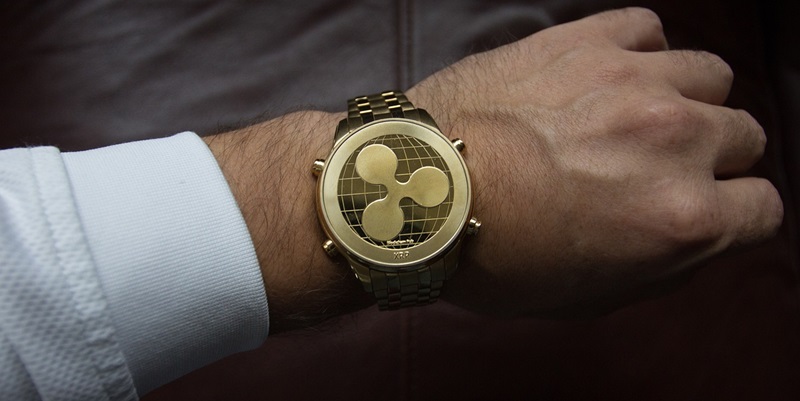
In recent weeks, XRP experienced a significant price surge, with a 20% increase, outpacing Bitcoin (BTC) in trading volume on South Korean exchanges, but it later saw a notable pullback. This dramatic fluctuation initially caught the attention of traders and investors alike, driven by a confluence of local media coverage, influencer endorsements, and positive developments such as the launch of XRP indices by CME and CF Benchmarks. Moreover, remarks from Ripple Labs CEO Brad Garlinghouse about an imminent resolution to the SEC lawsuit likely boosted investor confidence.
The Sudden Surge
The initial surge of XRP trading activity underscored the market’s swift response to positive news and sentiment, particularly in regions like South Korea, which is known for its speculative trading behavior. For a brief period, XRP outpaced Bitcoin in trading volume on South Korean exchanges. This surge was further fueled by local influencer endorsements and glowing media coverage, painting a rosy picture for the cryptocurrency. Additionally, the CME and CF Benchmarks’ launch of new XRP indices added another layer of legitimacy and optimism to the asset’s profile.
However, the euphoria did not last long. By the end of the week, Bitcoin had regained its position as the dominant cryptocurrency in terms of trading volume in South Korea. XRP experienced a pullback, with its price declining by 4.7%. Analysts noted that this temporary spike in trading activity highlighted the token’s susceptibility to market hype and short-term sentiment, rather than fundamentals.
Warning Signs and Market Reality
Ryan Lee, the chief analyst at Bitget crypto exchange, issued a warning about the potential for XRP to face a price decline in early August, despite its initial surge. Lee stressed the importance of maintaining key support levels around $0.70 for any hope of a recovery. In his analysis, he suggested that while XRP might undergo a technical correction, the price could potentially resume its upward trajectory if it manages to stay above these critical support levels.
During this period, the increased trading volume on global platforms like Binance and OKX supported the bullish sentiment around XRP. However, it’s essential to note that XRP’s trading volumes did not surpass those of dominant cryptocurrencies like Bitcoin or Ethereum (ETH). The doubling of open interest in XRP futures contracts further indicated trader optimism during the initial surge.
The Role of Media and Influencers
In the past few weeks, XRP has seen a significant price increase of about 20%, surpassing Bitcoin (BTC) in trading volume on South Korean exchanges before experiencing a notable pullback. This dramatic swing captured the attention of both traders and investors. Several factors fueled this initial surge. Local media coverage played a significant role, as did endorsements from various influencers and positive developments, including the unveiling of XRP indices by the CME Group and CF Benchmarks. Another influential factor was Ripple Labs CEO Brad Garlinghouse’s remarks about an impending resolution to the ongoing SEC lawsuit, which likely bolstered investor confidence. These combined elements created substantial optimism, leading to a frenzied trading period that illustrated both XRP’s potential and inherent volatility. Despite the pullback, the developments around XRP demonstrate how external influences, legal news, and market innovations can significantly impact cryptocurrency prices and trading behaviors.