

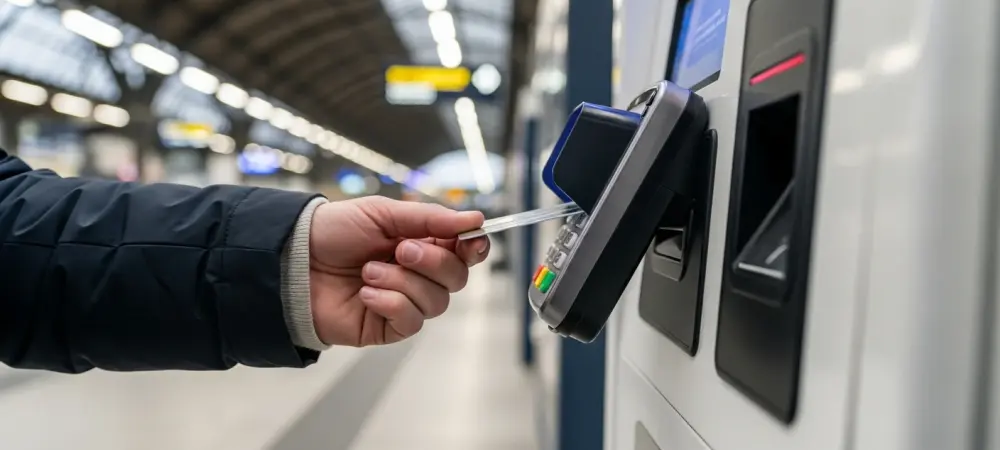
A new strategic collaboration between Castles Technology, a global powerhouse in Android-based payment acceptance devices, and Loomis Pay, the digital payment and Point-of-Sale (POS) division of the Loomis Group, has been established to drive a significant expansion across the European market. This partnership is poised to address the evolving demands of merchants and consumers by integrating next-generation hardware and software, potentially creating a new standard for unified commerce. As businesses navigate an increasingly complex landscape of payment options—from traditional cash and cards to a myriad of digital wallets—the need for a streamlined, secure, and flexible platform has never been more critical. This alliance aims to provide exactly that, leveraging Castles Technology’s innovative solutions to power Loomis Pay’s ambitious growth strategy and redefine the payment experience for a diverse range of European businesses.
A Strategic Alliance Forged in Innovation
The decision by Loomis Pay to partner with Castles Technology came after an extensive review of the market, driven by a strategic objective to offer merchants a cohesive platform that bridges the gap between various payment methods. The goal was to find a partner whose technology could seamlessly integrate cash, traditional card transactions, and modern digital payments into a single, user-friendly system. Castles Technology emerged as the ideal choice due to its established leadership and pioneering work in the Android payment solutions sector. The versatility and proven reliability of its hardware were critical factors, providing the robust foundation Loomis Pay required to build its next-generation offering. This collaboration represents a pivotal move for Loomis, a company with deep roots in cash management, as it accelerates its transformation into a leader in the digital payment space, aiming to provide a comprehensive ecosystem that meets the dynamic needs of today’s merchants and their customers.
The technological cornerstone of this partnership is a comprehensive suite of hardware and backend infrastructure provided by Castles Technology. Loomis Pay will deploy a versatile range of devices, including the portable S1F4 Pro terminal for mobile transactions, the S1P2 PINPAD for secure counter-top payments, and the S1U2M4 unattended terminal designed for self-service environments like kiosks and vending machines. This diverse hardware portfolio ensures that Loomis Pay can cater to a wide spectrum of merchant needs across different industries. Beyond the physical devices, the agreement also includes access to Castles’ powerful backend systems. This encompasses the CasHUB Terminal Management System (TMS), which allows for remote device management and updates, and its associated Marketplace for deploying third-party applications. This complete end-to-end solution provides Loomis Pay with the agility to customize its offerings and quickly adapt to new market trends, ensuring a future-proof platform for its European expansion.
From Pilot Program to Pan-European Rollout
A crucial element in solidifying this strategic alliance was the remarkably rapid and successful development of a complete, end-to-end software solution. This was achieved through a highly efficient tripartite collaboration between Castles Technology, Loomis Pay, and Seitatech, a specialized Finnish payment expert company. Seitatech was instrumental in developing the sophisticated software for the terminals, ensuring its seamless integration with Loomis’s existing POS systems and its central payment gateway. The entire process, from initial development to full deployment, was completed in just a few months, a testament to the agility and synergy between the partners. This rapid execution not only demonstrated the technical capabilities of all parties involved but also highlighted their shared commitment to bringing a superior product to market quickly. This efficiency is a key competitive advantage, allowing Loomis Pay to respond swiftly to merchant demands and accelerate its expansion plans across the continent.
To validate the integrated technology and the collaborative framework, a successful pilot program was conducted in Norway earlier this year. The pilot involved the deployment of Castles devices across 17 distinct merchant locations, providing a real-world test of the solution’s robustness, reliability, and user experience. The results were overwhelmingly positive, confirming the strength of the integrated hardware and software and the effectiveness of the partnership model. Buoyed by this success, Loomis Pay is now proceeding with a large-scale, phased rollout of the devices across Europe. The initial expansion phase will target the key markets of Sweden, Denmark, Norway, and Spain. This strategic deployment promises to provide merchants in these regions with a significantly faster time-to-market for advanced payment solutions, seamless integration with their existing operational systems, and an enhanced, modern POS experience that will ultimately benefit their customers.
A New Vision for European Commerce
The strategic importance of this collaboration was underscored by leaders from both organizations. Jean-Philippe Niedergang, Acting Group CEO at Castles Technology, stated that the company is honored to support Loomis Pay’s ambitious growth plans. He emphasized that Castles’ advanced Android devices are designed to deliver the precise combination of innovation and reliability necessary for companies aiming to lead in the highly dynamic and competitive payments industry. This sentiment was echoed by Erik Zingmark, MD of Loomis Pay, who highlighted that the partnership is in perfect alignment with Loomis’s overarching strategy to transform the European payments market. He characterized Castles Technology as an ideal partner, citing its deep expertise, responsiveness, and forward-thinking approach as essential qualities for navigating the future of commerce. These endorsements signal a shared vision for creating a more connected and efficient payment ecosystem that empowers merchants and simplifies transactions for consumers across Europe.