

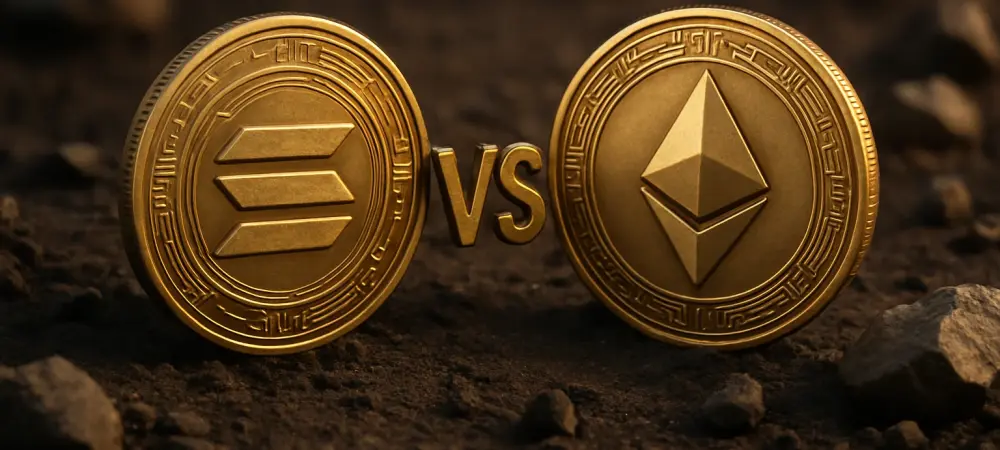
The blockchain and cryptocurrency industry has experienced unprecedented growth and transformation, characterized by the emergence of innovative technologies and platforms. With the rise of decentralized finance (DeFi), blockchain technology has significantly impacted financial systems, innovation, and transaction processes. The industry now encompasses various segments, including digital payments, smart contracts, and asset management, comprising numerous players such as Ethereum and Solana. However, navigating complex regulatory landscapes continues to be critical, highlighting the interplay between innovation and compliance.
Overview of the Blockchain and Cryptocurrency Industry
The blockchain and cryptocurrency industry remains a cornerstone of modern fintech innovations, defined by dynamic growth and technological evolution. At the heart of this space is the decentralized finance network, or DeFi, which has reshaped traditional finance structures by enabling peer-to-peer transactions without middlemen. Technology has driven this evolution, particularly blockchain’s ability to encrypt transactions and promote trust and transparency.
Main industry segments include cryptocurrencies like Bitcoin and Ethereum, as well as platforms facilitating decentralized applications. Key players like Ethereum have dominated due to their smart contract functionality, whereas Solana has emerged as a high-speed alternative. Regulatory frameworks continue to evolve, with governments grappling to balance innovation and security. Regulations often influence market behavior, impacting how these technologies are adopted globally.
Trends in DeFi and Stability
Key Trends Shaping the Industry
In the DeFi landscape, emerging technologies and changing consumer behaviors have shaped the industry’s trajectory. The development of layer-2 solutions promises enhanced scalability and lower energy consumption, crucial factors amid mounting environmental concerns. Moreover, the consumer shift toward digital assets and decentralized platforms has fueled growth in DeFi projects and protocols, presenting new opportunities for market expansion.
Technologies such as non-fungible tokens (NFTs) and distributed ledgers have gained prominence, enhancing asset exchange and ownership verification. New tokenomics models and incentives draw more participants, driving further interest and innovation. As consumer interest grows, industry players are encouraged to create sustainable, user-friendly solutions tailored to evolving demand.
Market Growth and Performance Metrics
The sector has demonstrated impressive strides, marked by escalating market adoption and key growth indicators. Current data reflects substantial growth in DeFi’s market cap, recognizing its transformative role. With projections indicating continued expansion, the industry is poised for increased penetration over the next several years. Performance metrics reveal elevated transaction volumes and user engagement across platforms like Solana and Ethereum. Solana specifically showcases robust computational capacity and scalability, handling numerous daily transactions efficiently. This remarkable performance underscores its potential to challenge established players, hinting at a promising future trajectory.
Challenges in the Blockchain Industry
Despite positive growth, the blockchain industry confronts several challenges that impede seamless adoption. Technological hurdles include interoperability issues between different blockchains and scalability bottlenecks that limit processing speed and increase transaction costs. Solutions such as cross-chain bridges and layer-2 technologies offer strategies to surmount these obstacles. Regulatory barriers also pose a significant challenge. The absence of comprehensive global regulatory frameworks impedes innovation, prompting varying levels of acceptance and adoption. Market-driven challenges encompass volatility and security risks, necessitating robust security measures to safeguard users and maintain credibility within the ecosystem.
Regulatory Influences and Compliance
The regulatory landscape remains a defining factor shaping industry practices, with compliance and security taking center stage. National and regional laws impact both enterprise and individual behavior within the cryptocurrency realm. Regulatory bodies stress the significance of mitigating risks related to fraud, money laundering, and digital asset security.
With a strong emphasis on compliance, industry stakeholders are tasked with implementing secure mechanisms to align with government standards. The dialogue between decentralized innovation and regulatory oversight continues, prompting stakeholders to adapt practices to meet evolving statutory requirements that safeguard end users and maintain market integrity.
Future Trajectories in DeFi and Blockchain Stability
The future of DeFi and blockchain stability hints at more profound innovation, disrupted only by emerging technologies. Increased adoption of decentralized applications aligns with growing consumer demand for transparency and autonomy. Potential disruptors may challenge traditional financial systems as blockchain integrates further into the global economic framework.
Economic conditions will play a critical role in facilitating enterprise growth and expansion. Innovation-focused strategies will guide the evolution of consumer preferences, enabling market players to tailor solutions for continued engagement. New economic models promise to bolster stability, fostering growth while promoting equitable access.
Conclusion and Industry Outlook
The blockchain and DeFi sectors have emerged as dynamic and rapidly adapting domains, reflecting innovation in finance systems. To support future growth, stakeholders must balance technological advancements with compliance requirements, acknowledging market demands. The emphasis on enhancing scalability and interoperability is vital for continued network expansion and user adoption.
Looking ahead, strategic partnerships and sustained investment will empower industry players to capitalize on emerging opportunities. With robust infrastructure and a focus on scalability, platforms like Solana are positioned to challenge traditional players, contributing to an industry-wide transformation. The trajectory forward necessitates vigilance, adaptation, and collaboration among stakeholders to ensure a stable, accessible, and transformative blockchain ecosystem.