

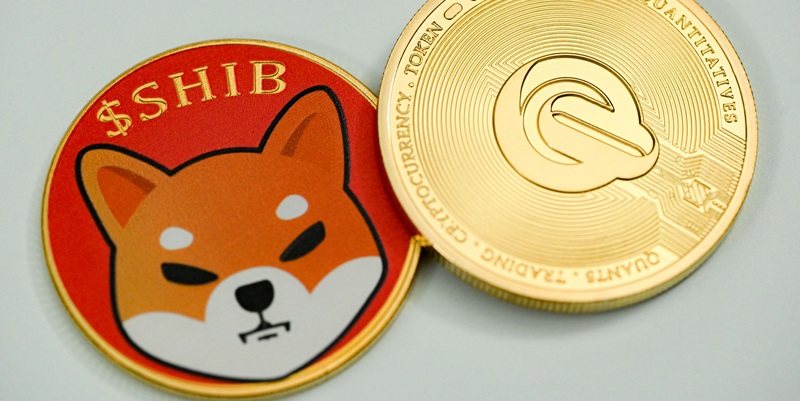
In recent months, Shiba Inu (SHIB), the popular dog-themed meme coin, has garnered significant attention due to its novel burn mechanism and the subsequent impacts on its market dynamics. The core focus lies on Shibarium’s burn mechanism, which aims to enhance SHIB’s deflationary metrics by burning 70% of all base transaction fees collected on its network. By permanently removing a fraction of SHIB from circulation, the developers intend to reduce the supply and provide upward pressure on the price. This move has excited many investors and market watchers, who see it as a game-changing strategy for the memecoin project.
Shiba Inu’s Burn Rate Surge
The recent developments in Shiba Inu’s burn mechanism have led to a significant increase in its burn rate by an impressive 340%. This translates to over 11 million SHIB being permanently taken out of circulation, marking a milestone in the coin’s deflationary journey. This spike in the burn rate has corresponded with a notable upward trend in SHIB’s market price, appreciating by 4.36% to reach $0.00001361. According to Shibburn, this burn rate is the highest recorded for the coin within a week. The cumulative total of SHIB burnt to date amounts to approximately 410.7 trillion from the initial supply, showcasing the extensive efforts to curtail circulating supply.
Both the increased burn rate and the transaction activity on Shibarium, Shiba Inu’s Layer-2 blockchain, serve as vital indicators of the memecoin’s growth trajectory. The introduction of the ShibTorch Portal has been instrumental in facilitating automatic burns of SHIB. This is achieved by converting a portion of gas fees paid in BONE tokens into SHIB, which are then burned. This smart mechanism not only reduces SHIB’s circulating supply but also aims to bolster its price in the long run. The strategic move by the Shiba Inu team exhibits their commitment to leveraging innovative blockchain technologies for enhancing SHIB’s market position.
Investor Sentiment and Market Reactions
Since the launch of ShibTorch, Shibarium has witnessed considerable burn activities, with one striking instance showing a 1250% spike in the burn rate. On that occasion, a staggering 28,648,321 SHIB were burned in a single day. The market sentiment following these burns has generally been optimistic, reflecting a belief in the coin’s future potential. On August 30, a burn rate surge of over 13,900% resulted in 96,634,993 SHIB being incinerated in less than 24 hours. Analysts from TradingView have forecasted a potential rise in SHIB’s price to $0.001 if the current burn trend continues, though the coin still needs to eliminate two additional zeroes to achieve this valuation.
The positive market sentiment highlights the general consensus among investors and analysts that Shiba Inu’s burn mechanism could catalyze significant price rallies. However, achieving the optimistic price targets will require sustained burn activities and strategic developments. The improvements seen in Shibarium, coupled with broader technological advancements and community-driven initiatives such as the DAO Governance launch, have created a fertile ground for SHIB’s potential growth. These components collectively incentivize a reduction in supply while boosting investor confidence in the coin’s value proposition.
Long-Term Implications and Future Prospects
In recent months, Shiba Inu (SHIB), the popular dog-themed meme coin, has caught the attention of many due to its innovative burn mechanism and the significant effects on its market dynamics. Central to this is the Shibarium network’s burn mechanism, which aims to improve SHIB’s deflationary characteristics by incinerating 70% of all base transaction fees collected on its platform. By permanently removing a portion of SHIB from circulation, the developers hope to decrease the overall supply, thereby exerting upward pressure on the token’s price.
This strategic move has generated excitement among investors and market analysts, who view it as a potentially transformative approach for the memecoin. The reduced supply system could make SHIB more scarce over time, theoretically increasing its value and attracting even more interest from both retail and institutional investors. As a result, Shiba Inu’s community is buzzing with optimism about the future prospects of the coin, seeing this burn strategy as a vital step towards the project’s long-term success and stability in the highly competitive cryptocurrency market.