

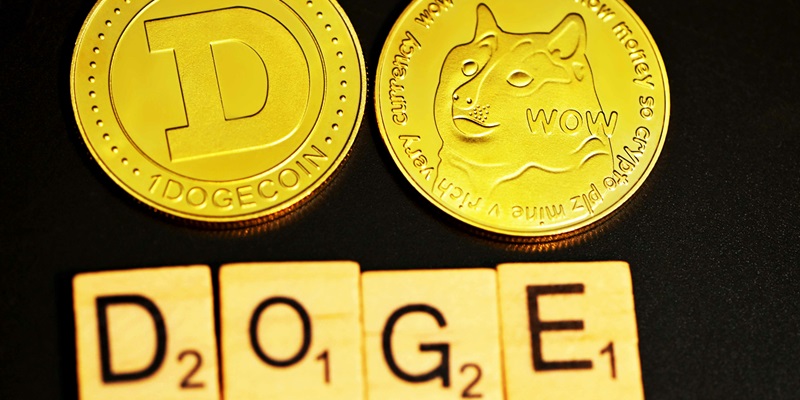
In 2024, PEPE has solidified its position as a significant player in the memecoin sector, demonstrating impressive performance through high trading volumes, technical patterns pointing towards bullish trends, and a growing base of confident investors. The memecoin has shown a remarkable average daily trading volume of over $700 million, making it the second most-traded coin in this niche, just behind Dogecoin (DOGE) and far surpassing Shiba Inu (SHIB), which has a trading volume of $257 million.
A Bullish Technological Analysis
From a technical standpoint, PEPE is showing distinct signs of bullish momentum. The coin recently broke out of a bullish flag pattern at the $0.001119 level, indicating a strong upward trend. This breakout was followed by a period of consolidation, where PEPE successfully maintained its support levels. Additionally, PEPE is forming an Inverse Head-and-Shoulders (IH&S) pattern—a technical indicator often suggestive of a potential price hike. Should PEPE break above the neckline resistance at $0.00001320, analysts project that the coin could see a rise to $0.00002241 by the end of the third quarter of 2024, which would represent an estimated 80% increase from its current levels.
Profitability and Concentration Among Whales
Data from CoinGlass reveals that around 79% of PEPE holders are currently enjoying profits. This high profitability among its users is underscored by the concentration of holdings among “whales,” with 72% of the total supply held by significant investors. This substantial concentration suggests a strong confidence among large holders, potentially resulting in decreased selling pressure and lending more stability to PEPE’s price.
Capital Flows and Strategic Investments
Capital inflows for PEPE have been notably strong. A particularly telling indicator of this is the move by venture capital firm Nascent, which has strategically swapped its MKR positions for PEPE and LDO tokens. Nascent acquired 141.23 billion PEPE tokens, valued at approximately $1.57 million, pushing its total PEPE holdings to around $7.49 million. Such a substantial investment from a major firm bolsters market sentiment and underscores broader investor confidence in PEPE’s long-term value.
Market Position and Rapid Holder Growth
PEPE has experienced a staggering 70% increase in its holder count in 2024, coupled with an impressive year-to-date price surge of 843%. These metrics highlight PEPE’s strengthening market position and its growing potential to rival well-established competitors like Shiba Inu (SHIB). The rise in both holder count and price underscores PEPE’s ascent and growing credibility in the highly competitive memecoin sector.
Overarching Themes and Market Consensus
PEPE’s strong market performance in 2024 is driven by several key factors. The concentration of holdings among significant investors and strategic investments from major firms like Nascent indicate robust market confidence. Technical indicators and bullish patterns suggest a continuation of upward price trends. Furthermore, the high profitability among PEPE holders likely contributes to reduced selling pressure, promoting price stability. The combination of strong trading volumes, positive technical analysis, strategic capital investments, and a rapidly growing holder base forms a cohesive and optimistic outlook for PEPE in the memecoin market.
Conclusion
In 2024, PEPE has firmly established itself as a key player in the memecoin market, showcasing exceptional performance through substantial trading volumes, strong technical indicators favoring bullish trends, and a growing community of confident investors. Averaging a staggering daily trading volume of over $700 million, PEPE has positioned itself as the second most-traded memecoin, trailing only Dogecoin (DOGE). This impressive figure significantly outshines Shiba Inu (SHIB), which sees a daily trading volume of $257 million. The impressive liquidity and investor interest in PEPE have underscored its growing influence in the cryptocurrency landscape. As a result, PEPE is increasingly becoming a sought-after asset in the memecoin realm, appealing to both seasoned investors and new entrants alike. As the interest in cryptocurrencies continues to grow, PEPE’s performance in 2024 sets a strong precedent, making the coin a notable contender in the cryptocurrency market and laying a solid foundation for future growth.