

Bridging the Gap Between Climate Risk and Rural Resilience
Smallholder farmers in the fertile valleys of Ecuador no longer have to wait for months of bureaucratic inspections after a catastrophic flood ruins their seasonal harvest. This demographic, which comprises approximately 75 percent of the nation’s agricultural workforce, has historically remained vulnerable to the volatile whims of nature. The recent introduction of the country’s first parametric insurance initiative marks a pivotal transition toward a more resilient economic framework. By utilizing objective data rather than subjective damage assessments, this financial model aims to safeguard food sovereignty and provide a reliable safety net for those who provide the majority of the nation’s food supply. This shift reflects a broader global movement toward proactive disaster management in the face of increasingly erratic weather patterns.
The Evolution of Risk Management in Ecuadorian Agriculture
The historical reliance on traditional indemnity insurance often left producers in a state of financial paralysis following extreme weather events. In the past, the process of verifying losses required physical visits from adjusters, a method that proved inefficient in remote provinces like Manabí or Guayas. This lag in liquidity frequently forced families into debt or compelled them to abandon their land entirely. The current move toward parametric solutions reflects an understanding that speed is the most critical factor in disaster recovery, especially as climate cycles like El Niño become more intense. By removing the need for individual loss adjustments, the agricultural sector is moving away from reactive relief and toward a system of predetermined financial security.
Deciphering the Mechanics and Impact of Parametric Solutions
Technical Precision and the Role of Global Partnerships
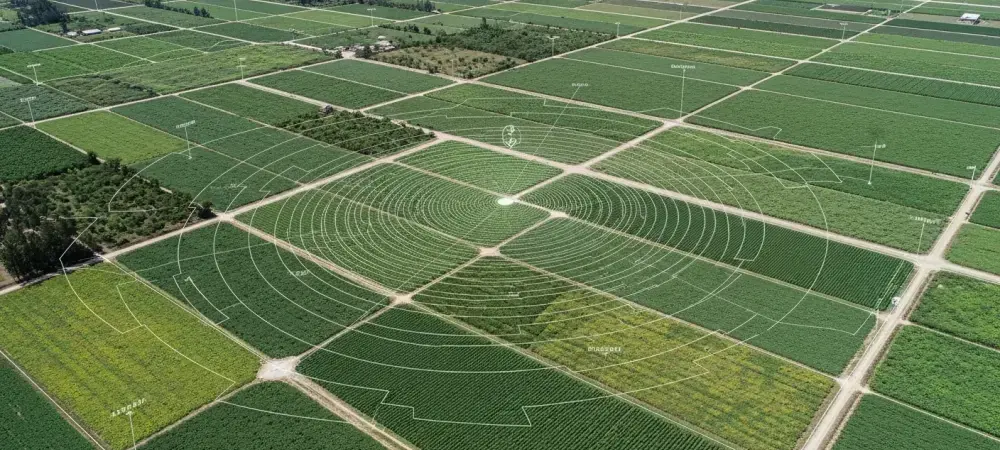
The Tripartite Agreement Programme represents a sophisticated intersection of international diplomacy and high-tech finance. By combining the resources of the United Nations Development Programme and the German government with private sector expertise, the initiative has established a transparent mechanism for risk transfer. This model uses satellite-derived data to monitor specific environmental triggers, such as excessive rainfall or prolonged drought periods. When these predefined thresholds are crossed, payouts are generated automatically, bypassing the need for individual claims filing. This ensure that capital reaches the agricultural sector exactly when it is needed most, allowing for immediate reinvestment in the next planting cycle.
Promoting Social Equity Through Inclusive Coverage
Beyond mere financial protection, the program serves as a vehicle for social inclusion by prioritizing groups that have traditionally been excluded from the formal banking sector. Statistical data reveals that 44 percent of the initial 2,511 participants are women, while 15 percent are farmers under the age of 29. This demographic focus is intentional, as youth and women often lack the land titles or credit history required for conventional insurance products. By providing these individuals with a formalized risk management tool, the initiative helps to anchor the next generation of producers to their rural communities and reduces the economic pressures of migration. It fosters a more equitable distribution of climate resilience across the country’s diverse landscape.
Overcoming Implementation Challenges and Market Misconceptions
Scaling this technology is not without its difficulties, specifically regarding the phenomenon known as basis risk. This occurs when a farmer suffers a crop loss that is not captured by the regional weather index, leading to a situation where no payout is triggered despite actual damage. To mitigate this discrepancy, the project utilizes high-resolution remote sensing and works closely with local insurers to refine the accuracy of the triggers. Educational outreach remains equally vital, as many rural producers are initially skeptical of an automated system that operates without a human inspector. Clear communication about the scientific basis of the triggers is essential for building the institutional trust required for long-term market expansion.
Emerging Trends and the Future of Climate-Ready Finance
The horizon of climate-ready finance in Ecuador is defined by the integration of advanced technologies and expanded coverage. As the program aims to protect 10,000 individuals in the coming seasons, the use of Artificial Intelligence will likely play a role in hyper-localizing weather data. Furthermore, there is a growing movement to bundle these insurance products with other essential services, such as micro-credit and the distribution of climate-resistant seeds. This holistic approach ensures that insurance is not just a reactive payout but a component of a larger strategy to increase the productivity and sustainability of small-scale rice and maize farming. As these tools evolve, they will become more accessible to a wider variety of specialized agricultural sectors.
Strategic Recommendations for a Sustainable Agricultural Ecosystem
For the agricultural ecosystem to reach full maturity, the expansion of the ground-based weather station network must remain a priority for government agencies. Improving data granularity will further decrease basis risk and enhance the confidence of international reinsurers. Local financial institutions should also look toward integrating payout mechanisms with mobile payment platforms to accelerate the delivery of funds to remote areas. Farmers, for their part, should incorporate this insurance into a broader portfolio of resilience-building activities, including soil conservation and the adoption of modern irrigation techniques. Only through a multi-layered approach can the nation truly insulate its food supply from the shocks of an unpredictable atmosphere.
Cultivating Stability in an Uncertain Climate
The implementation of parametric insurance in Ecuador established a new benchmark for how developing nations approached climate-related financial risks. Stakeholders recognized that the traditional models were no longer sufficient for the rapid pace of environmental change and took decisive action to modernize the system. This shift prioritized the inclusion of marginalized demographics and proved that public-private partnerships could effectively bridge the gap between high-level finance and rural reality. Ultimately, the transition toward data-driven security offered a sustainable path forward, ensuring that the agricultural sector remained a stable pillar of the national economy. Future efforts should focus on scaling these successes to include high-value export crops and expanding the network of digital weather monitoring stations.