

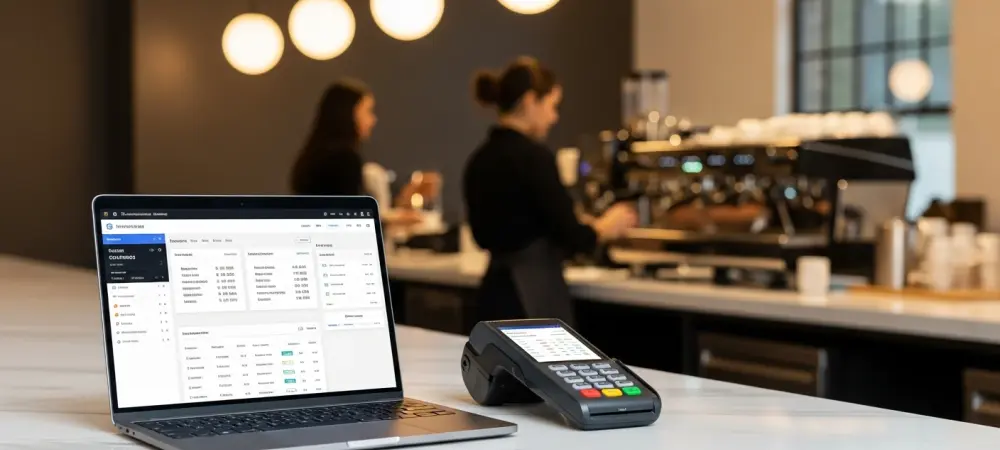
Small and medium-sized enterprises in the United Kingdom have long struggled with the cumbersome requirement of managing separate systems for their digital storefronts and physical point-of-sale interactions. This fragmentation often leads to accounting errors, delayed reporting, and a disjointed customer experience that fails to meet the expectations of a tech-savvy population. As the boundaries between e-commerce and high-street shopping continue to blur, merchants require a streamlined method to capture revenue regardless of where the transaction occurs. Mollie, a prominent European financial services provider, recently addressed this demand by launching its “Tap” suite in the UK market. This strategic move aims to simplify the complex payment landscape for SMBs and self-employed professionals by offering a cohesive ecosystem. By introducing a blend of portable hardware and versatile software, the company seeks to empower local vendors with the tools previously reserved for larger corporations with massive technical budgets.
The Evolution: Bridging Physical and Digital Commerce
Hardware Innovation: The Tap Terminal
The centerpiece of this new initiative is the Tap terminal, a lightweight and ergonomically designed device that moves away from the clunky, stationary hardware of the past. It operates on an Android-based platform, providing a familiar and intuitive interface for staff while supporting a wide array of payment methods including contactless cards, digital wallets, and QR codes. A standout feature is the front-facing NFC reader, which eliminates the awkward “terminal hand-off” by allowing customers to tap their cards or phones without the merchant needing to physically turn the device toward them. Equipped with both 4G and Wi-Fi connectivity, the terminal ensures that transactions can be processed anywhere, from a bustling city cafe to a remote outdoor market stall. This reliability is backed by a full-day battery life, ensuring that the hardware remains operational through long shifts without needing a frequent recharge, making it a robust companion for mobile service providers.
Beyond simple transaction processing, the terminal incorporates several built-in business management tools that help automate the more tedious aspects of daily retail operations. For instance, the device allows for instant tipping adjustments, enabling service workers to receive gratuities directly through the digital interface without manual calculations. Once a sale is finalized, the system offers digital receipt delivery via SMS or email, reducing paper waste and providing customers with an easy-to-archive record of their purchase. Furthermore, the terminal generates automated end-of-day reports that sync directly with the merchant’s financial records, providing immediate visibility into cash flow and inventory movement. This level of automation reduces the administrative burden on small business owners, allowing them to focus more on customer engagement and product development rather than back-office bookkeeping. By integrating these features into a single unit, the terminal acts as more than just a payment point; it serves as a central node.
Software Versatility: The Tap Application
Complementing the physical hardware is the Tap mobile application, which offers a flexible and virtually zero-barrier entry point for individuals who may not yet be ready to invest in dedicated hardware. This application utilizes “Tap to Pay” technology to transform any NFC-enabled smartphone or tablet into a fully functional payment terminal. This innovation is particularly impactful for micro-businesses, pop-up vendors, and self-employed contractors who require mobility and minimal equipment. By simply downloading the app, a plumber or a local artist can begin accepting secure contactless payments within minutes, using the device they already carry in their pocket. This democratization of payment technology ensures that even the smallest operations can project a professional image and provide modern convenience to their clients. The software layer maintains the same high security standards as the physical terminal, ensuring that every transaction is encrypted and compliant with stringent financial regulations, protecting everyone. The dual-track strategy of offering both an app and a terminal allows for a natural progression as a business grows from a side project into a full-scale operation. A vendor might start by using the mobile application to manage weekend markets, benefiting from the lack of upfront hardware costs while testing the viability of their product. As transaction volumes increase and the need for a more dedicated, customer-facing interface arises, the business can seamlessly transition to the portable terminal without changing their backend provider or learning a new software system. This scalability is a core component of the UK launch, as it addresses the specific lifecycle of British SMBs that often face high hurdles when trying to upgrade their technological infrastructure. By providing a pathway from a smartphone app to professional-grade hardware, the service ensures that technical limitations do not become a bottleneck for expansion. This approach fosters a more resilient small business sector.
Strategic Integration: Unifying the Business Ecosystem
Omnichannel Management: One Central Dashboard
A defining characteristic of the modern payment landscape is the shift toward omnichannel management, where the distinction between an online sale and an in-person purchase is virtually eliminated in the ledger. By integrating the Tap ecosystem into its existing digital framework, the provider allows UK businesses to oversee their entire financial operation through a single, unified dashboard. This centralization is vital for merchants who sell both through a website and at physical locations, as it provides a holistic view of inventory and sales data in real-time. Instead of reconciling reports from multiple platforms at the end of the month, business owners can see a consolidated stream of revenue, making it significantly easier to forecast demand and manage stock levels. This integration also simplifies customer relationship management, as businesses can track purchasing habits across different channels to offer more personalized service. The move toward a “single pane of glass” is a significant leap forward in efficiency.
This launch also marks a pivotal moment for the company as it introduces its first proprietary hardware, allowing for greater control over the end-to-end user experience. By designing both the software and the physical device, the firm can ensure that updates are deployed simultaneously and that the hardware is optimized specifically for the nuances of its payment processing engine. This vertical integration reduces the likelihood of compatibility issues that often plague third-party hardware configurations, leading to higher uptimes and fewer technical support requests. For the UK merchant, this means a more reliable service that feels cohesive rather than a collection of mismatched tools. The ability to control the hardware design also allows for aesthetic consistency, providing a sleek, modern look that aligns with the branding of contemporary boutiques and service providers. This focus on the holistic experience reflects a deeper understanding of how design and reliability influence a business owner’s confidence in their chosen financial partner.
Pricing Models: Flexibility for Growth
Financial transparency and cost-effectiveness are critical factors for SMBs operating within the current economic climate in the United Kingdom. To accommodate varying scales of operation, the service has introduced a tiered pricing structure that avoids the restrictive, long-term contracts typical of traditional banking institutions. Merchants can opt for a “Pay-as-you-go” model, which carries no monthly subscription fees and is ideal for seasonal businesses or those with fluctuating sales volumes. For more established enterprises with high transaction counts, a “Pro” plan is available, offering significantly lower transaction fees in exchange for a modest monthly subscription. This flexibility allows businesses to select the plan that best aligns with their current cash flow while retaining the option to switch as their circumstances change. By removing hidden fees and complex pricing tiers, the provider enables merchants to calculate their exact costs per transaction, leading to more accurate pricing strategies for their own products.
The introduction of these tools effectively modernized the infrastructure available to UK merchants, providing a clear path toward more efficient financial management. Business owners were encouraged to audit their existing payment processes to identify where fragmentation was causing the most friction, whether in the reconciliation of data or the physical interaction at the point of sale. Implementation of unified systems allowed for a more agile response to changing consumer preferences, such as the increasing demand for diverse digital wallet options. Moving forward, the focus shifted toward utilizing the data gathered from these integrated platforms to drive more strategic decision-making and long-term planning. By adopting scalable technology early, companies positioned themselves to handle growth without the need for frequent, costly hardware overhauls. This shift toward a more integrated and flexible payment environment proved to be a vital step for businesses seeking to remain competitive. The adoption of such intuitive tools fostered a more robust marketplace.