

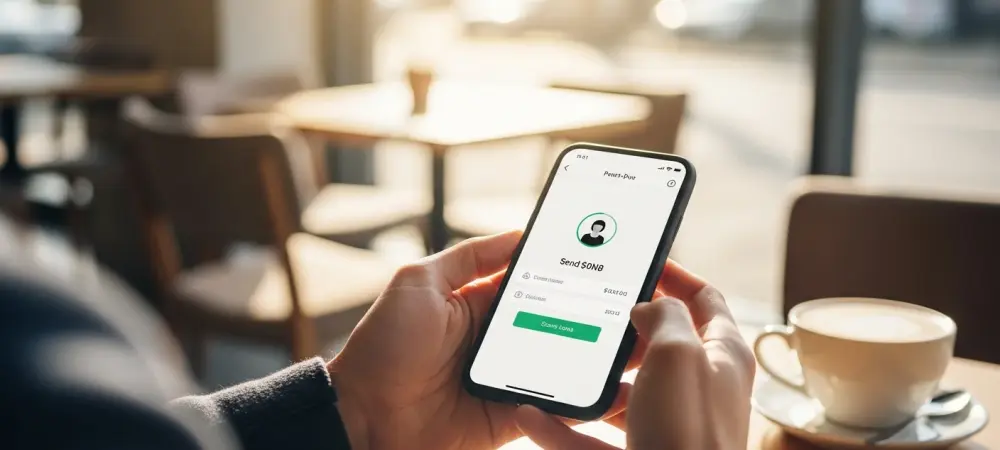
With his deep roots in the early days of blockchain and a sharp eye for market disruption, Nikolai Braiden is a leading voice on financial technology’s power to reshape our world. As the “buy now, pay later” giant Klarna makes a bold entry into Europe’s fiercely competitive peer-to-peer payments landscape, we sit down with Nikolai to dissect this pivotal move. We’ll explore Klarna’s strategy for challenging entrenched, bank-owned services, the inherent trade-offs of its current closed-loop system, and how this new feature fits into its grander ambition of becoming a full-service digital bank.
In a landscape where services like Spain’s Bizum are already deeply embedded in the consumer consciousness, it seems like a monumental task for a new player to gain traction. Considering even tech giants like Meta have failed, what unique approach can Klarna take to not only enter the market but actually convince people to switch?
That’s the core of the challenge, and it’s precisely where Meta stumbled. They tried to build a new habit from scratch. Klarna’s strategy is fundamentally different and, I believe, far more astute. They are not asking people to download a new app; they’re enhancing an app that millions already use and trust. The key is integration, not invention. For Klarna, this isn’t an uphill battle to acquire new users; it’s a product enhancement with minimal friction for their existing base. The path to success isn’t a direct assault on Bizum but a subtle, value-added play, making the P2P function so seamless within the existing Klarna ecosystem that it becomes the most convenient option for their loyal customers.
Klarna is initially launching its P2P service as a closed-loop system, meaning transfers can only happen between existing Klarna account holders. Could you walk us through the strategic thinking behind this decision and the major hurdles they’ll face when they try to open it up to non-users and for cross-border payments?
Starting with a closed loop is a classic “crawl, walk, run” strategy. The immediate trade-off is sacrificing network size for control and quality. It allows them to perfect the user experience, ensure security protocols are rock-solid, and gather data on user behavior in a contained environment before facing the complexities of the broader financial system. The downside, of course, is limited utility. To expand, the hurdles are significant. Technically, they must build secure, reliable bridges to countless other banks, leveraging Europe’s open banking framework. Regulatorily, enabling cross-border payments is a minefield of different compliance standards. Even with a full EU banking license, navigating the unique anti-money laundering and security checks for each of the 13 countries is a monumental task that requires immense precision and resources.
We’ve seen Klarna roll out a debit card that quickly garnered 4 million sign-ups and now this P2P service. How do you see this new feature contributing to Klarna’s overarching goal of evolving from a BNPL specialist into a comprehensive digital bank?
This move is absolutely pivotal. “Buy now, pay later” is, by its nature, an intermittent activity tied to shopping. You use it, then you might not think about it for weeks. A P2P service, however, is about daily life—splitting a dinner bill, paying a roommate for rent, sending a friend cash for coffee. It transforms the Klarna app from a transactional tool into a daily financial utility. This strategy is all about increasing engagement and making the app an indispensable part of the user’s routine. By weaving together lending, debit spending via their card, and now social payments, Klarna is building a sticky ecosystem that keeps users constantly within their financial world, which is the very definition of a modern digital bank.
Given that getting users to change their established payment habits is incredibly difficult, how can Klarna effectively activate its massive existing customer base and turn them into regular P2P users?
This is where their existing user base becomes their greatest asset. The first step is seamless integration. The option to “Pay a Friend” needs to be front and center in the app, presented not as a separate product but as a natural extension of managing your Klarna balance. Second, they need to create a compelling reason to try it. This could involve small, targeted incentives like a small bonus on the first few transfers or a referral program. The most powerful step, however, is to link the P2P function directly to their core business. Imagine a user completing a BNPL payment and immediately getting a prompt: “You just bought tickets for the group. Collect from your friends instantly with Klarna.” This connects the established behavior with the new one, breaking down that initial inertia by making it contextually relevant and immediately useful.
What is your forecast for the European P2P market over the next five years?
My forecast is that the market will shift away from standalone P2P apps and toward deeper integration within broader financial “super apps.” The transfer of money itself will become a commoditized feature, and the real competition will be over the ecosystem in which those transfers happen. We’ll see P2P become a standard, expected feature of any digital bank, much like a debit card is today. The local, bank-owned players like Bizum will retain a strong foothold due to trust and deep-rooted integration, but they’ll be forced to innovate their user experience to keep pace with agile fintechs like Klarna. The ultimate winners won’t be the best P2P provider, but the platform that offers the most holistic, seamless, and engaging financial experience overall.