

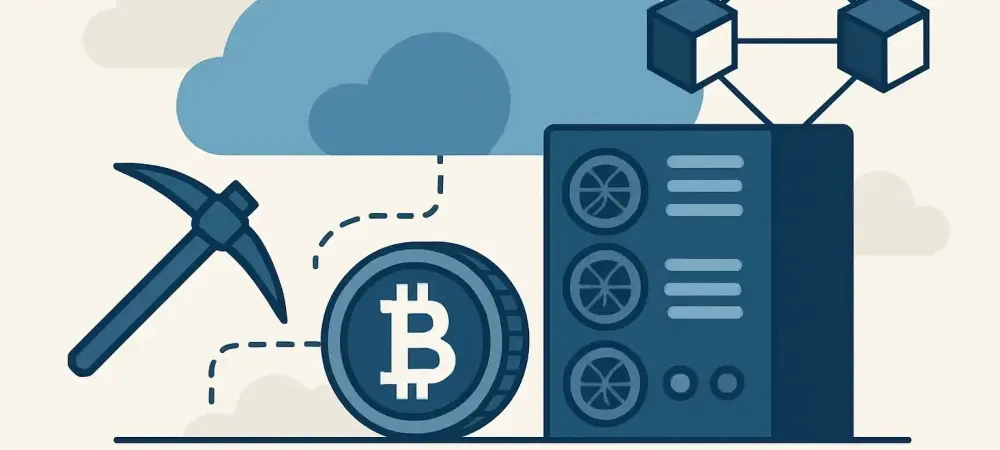
Diving into the world of cryptocurrency and blockchain innovation, I’m thrilled to sit down with a seasoned expert in cloud mining and emerging blockchain technologies. With a deep understanding of platforms like Hashj and cutting-edge projects such as Algorand, Near Protocol, and Internet Computer, our guest today offers invaluable insights into how these technologies are reshaping the crypto landscape. In this interview, we’ll explore the accessibility of cloud mining for beginners, the unique features of staking and earning rewards with these innovative blockchains, and the future potential of decentralized systems in areas like DeFi, gaming, and Web3. Let’s get started!
Can you give us an overview of what Hashj is and how it stands out as a cloud mining platform?
Absolutely. Hashj is a modern cloud mining platform designed to make cryptocurrency mining accessible to everyone, from complete novices to seasoned investors. Unlike traditional mining, which often requires expensive hardware and technical expertise, Hashj allows users to tap into mining rewards by leveraging shared cloud infrastructure. This means you don’t need to buy or maintain costly equipment; instead, you can start earning by simply signing up and choosing a plan. What sets Hashj apart is its user-friendly interface, support for multiple cryptocurrencies, and a focus on transparency with real-time reward tracking.
How does Hashj make mining approachable for someone who’s just starting out in the crypto space?
Hashj lowers the barriers to entry significantly. For beginners, the biggest hurdles in traditional mining are the upfront costs of hardware and the complexity of setting up and maintaining systems. Hashj eliminates those by handling all the technical aspects on the backend. Users just need to register, select a mining plan, and they’re good to go. Plus, the platform offers clear guides and support, so even if you’ve never touched crypto before, you can start earning rewards without feeling overwhelmed.
What cryptocurrencies can users mine or stake through Hashj, and why focus on projects like Algorand, Near Protocol, and Internet Computer?
Hashj supports a wide range of cryptocurrencies, including well-known ones like Bitcoin and Ethereum, as well as stablecoins and emerging projects like Algorand (ALGO), Near Protocol (NEAR), and Internet Computer (ICP). These three were chosen because they represent the next wave of blockchain innovation. Algorand offers a sustainable, high-speed network with its Pure Proof-of-Stake system; NEAR tackles scalability with its unique sharding tech; and ICP aims to decentralize the internet itself. They’re forward-thinking projects with strong growth potential, making them attractive for users looking to diversify their earnings.
Let’s talk about Algorand. What makes its technology, especially the Pure Proof-of-Stake mechanism, different from other blockchains?
Algorand’s Pure Proof-of-Stake, or PPoS, is a game-changer because it balances decentralization, speed, and security in a way few others do. Unlike energy-intensive Proof-of-Work systems like Bitcoin’s, PPoS randomly selects validators from token holders to confirm transactions, ensuring low energy use while maintaining fairness. It also prevents forks, so transactions finalize almost instantly. This makes Algorand not only efficient but also eco-friendly, which is a big draw for users and developers focused on sustainability.
How does Hashj help users earn rewards with Algorand since it doesn’t involve traditional mining?
Since Algorand operates on staking rather than mining, Hashj simplifies the process by allowing users to delegate their ALGO tokens through our cloud platform. We manage the technical side of staking, ensuring your tokens are actively participating in the network to earn rewards. This means users don’t need to worry about running nodes or understanding complex protocols—they just stake through Hashj and collect regular passive income.
Turning to Near Protocol, what’s the key innovation behind its Nightshade sharding technology?
Near Protocol’s Nightshade sharding is all about solving blockchain scalability. Sharding splits the network into smaller pieces, or shards, that process transactions in parallel, drastically increasing throughput and reducing costs. What makes Nightshade unique is how it handles cross-shard communication efficiently, ensuring the network remains fast and secure even as it scales. This makes NEAR a top choice for developers building decentralized apps, especially in high-demand areas like DeFi and gaming.
How does Hashj support users who want to stake NEAR without managing their own validators?
Staking NEAR typically requires running a validator node, which can be technically challenging and demands constant uptime. Hashj takes that burden off users by offering a seamless cloud staking solution. We handle the infrastructure, optimize the staking process, and ensure users earn consistent rewards. It’s a hands-off approach that lets anyone participate in NEAR’s network growth without needing to be a tech expert.
Now, let’s discuss Internet Computer. How does its vision to decentralize the internet set it apart from other projects?
Internet Computer, developed by Dfinity, is incredibly ambitious. Its core idea is to replace the traditional internet infrastructure—think centralized servers and big tech monopolies—with a fully decentralized network where developers can build and run applications directly on the blockchain. It’s like creating a Web3 cloud, enabling everything from social platforms to enterprise software to operate without middlemen. This vision of a truly decentralized internet is what makes ICP stand out as a pioneer in the space.
What role does Hashj play in simplifying the process of staking neurons in ICP’s Network Nervous System?
Staking neurons in ICP’s Network Nervous System, or NNS, is how users participate in governance and earn rewards, but it can be pretty complex for the average person. The NNS involves locking up tokens as neurons to vote on network proposals, and the process requires careful management. Hashj streamlines this by providing an easy-to-use platform where users can stake their ICP tokens through our cloud system. We handle the intricacies, ensuring users can contribute to the network and earn rewards without getting bogged down by technical details.
Looking ahead, what’s your forecast for the future of cloud mining and projects like Algorand, Near Protocol, and Internet Computer?
I’m very optimistic about the future of cloud mining and these innovative projects. Cloud mining platforms like Hashj will continue to democratize access to crypto earnings, especially as more people look for passive income opportunities without high upfront costs. As for Algorand, NEAR, and ICP, I believe they’re poised for significant growth. Algorand’s focus on sustainability and DeFi partnerships, NEAR’s scalability for gaming and AI integrations, and ICP’s push for a decentralized Web3 ecosystem all point to increasing adoption. We’re likely to see rising demand for staking and mining these tokens as their ecosystems expand, making now an exciting time to get involved.