

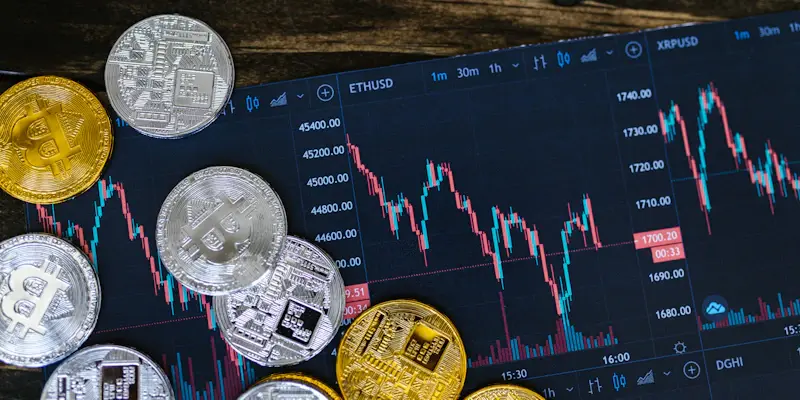
Predicting cryptocurrency market trends can feel like navigating through a storm—unpredictable and fast-changing. Prices can rise or plummet unexpectedly due to investor sentiment, regulatory changes, or unforeseen events such as exchange hacks. For traders, staying ahead means finding reliable ways to analyze these movements and make informed decisions. This is where ChatGPT enters the picture. By analyzing historical data and recognizing patterns, ChatGPT can offer insights that support better decision-making. For AI tools to deliver meaningful results, especially when utilizing ChatGPT for crypto investments, it’s essential to follow the right process. Combining well-structured data, clear prompts, and effective risk management can enhance the accuracy and usefulness of its insights. This article explores practical ways to use ChatGPT for crypto market analysis—from collecting and organizing data to crafting effective prompts that help the model generate actionable insights.
Collecting Data for Examination
When it comes to predicting cryptocurrency trends, data is paramount. Without reliable data, even the most advanced tools like ChatGPT can deliver unreliable insights. Cryptocurrency markets are notoriously volatile, and understanding the patterns behind price movements, whale activity, and investor sentiment requires trustworthy information from credible sources. The type of data required depends on the kind of analysis being performed. For example, price analysis requires accurate records of past prices, volume, and market cap trends. Whale activity analysis focuses on large investor movements and wallet behavior, while sentiment analysis relies on tracking social media discussions, influencer mentions, and crowd sentiment shifts.
For traders to get the most accurate insights, they need to ensure the data they gather is comprehensive and current. A study found that higher engagement on social media often correlates negatively with cryptocurrency prices, indicating that increased activity may precede price declines. This means tracking social media trends can provide valuable signals for market movements. Gathering diverse data sets helps build a complete picture of market dynamics and allows ChatGPT to deliver more nuanced insights.
Structuring Data for ChatGPT Evaluation
To predict cryptocurrency trends with ChatGPT, data must be structured in a manner that highlights patterns, trends, and key events. Poorly formatted data can lead to incomplete or incorrect outputs, so investing time in proper organization is crucial. When formatting price data, focus on key points that reflect market trends. Including the date, open price, close price, and volume in chronological order captures market movements effectively. Gaps in data are common, especially in volatile markets. Filling missing entries with estimated values, such as moving averages, can improve continuity and make analysis more accurate.
For technical indicators like the relative strength index (RSI) or moving average convergence divergence (MACD), aligning the data with consistent timestamps is crucial. Sentiment data tends to be unstructured, which can be challenging to analyze. To improve clarity, combine sentiment scores with key dates and relevant events. Ensuring date formats are consistent, removing duplicates, and filling in missing values can all contribute to improving the accuracy of ChatGPT’s outputs. Labeling data clearly provides the necessary context for ChatGPT’s interpretation, allowing it to generate more meaningful insights.
Creating Clear and Precise Prompts
Creating well-structured prompts is key to unlocking meaningful insights from ChatGPT, especially for crypto market analysis. Poorly written prompts can confuse the model, resulting in incomplete or irrelevant responses. Clear prompts guide ChatGPT to focus on the right data points and generate actionable insights. Effective prompts are built around three core principles: clarity, purpose, and focus. For example, instead of asking, “Is Bitcoin bullish?”, which is vague, provide clear instructions with relevant details like, “Analyze Bitcoin’s RSI and MACD data between December 2024 and January 2025. Identify points where both indicators aligned with bullish breakouts.”
Being specific about the desired outcome and including relevant conditions like timeframes, data sources, or key indicators can enhance the relevance of the analysis. For instance, a prompt asking ChatGPT to “Identify instances where Bitcoin’s RSI dipped below 50 between December 2024 and January 2025. Describe how long each dip lasted and explain the resulting price movement,” adds much-needed focus to the task. Prompts like these help ChatGPT provide detailed insights, such as exact price movements and duration, making them more actionable for traders.
Warning! Confirm ChatGPT Insights Before Making Decisions
Insights generated by ChatGPT can be extremely useful, but verifying these insights is crucial before making any investment decisions. Cryptocurrency markets are volatile, and relying solely on AI-generated predictions without cross-referencing data can lead to unfavorable outcomes. To confirm the accuracy and relevance of ChatGPT’s insights, it is advisable to cross-check with trusted data sources. If ChatGPT highlights a bullish signal based on RSI trends, compare this finding with live data from platforms like TradingView, CoinGecko, or Glassnode to confirm its validity.
Reviewing key market conditions is also essential. Market behavior often depends on broader economic events, news, or geopolitical factors. If ChatGPT identifies a pattern, checking if major events align with the prediction can provide additional context. Another useful step is to test insights on a demo account. Before applying any suggested strategy, trading in a risk-free environment using demo trading platforms can help assess its effectiveness. Once insights are verified, applying them effectively involves setting clear entry and exit points, using stop-loss orders, and diversifying approaches to minimize risk and maximize returns.
The Future of ChatGPT in Predicting Crypto Market Trends
As AI technology advances, using ChatGPT for cryptocurrency forecasting is expected to become more sophisticated, integrating real-time data more seamlessly. Future enhancements might include direct access to live market data through financial data provider APIs. These improvements could optimize prediction models, boosting ChatGPT’s ability to recognize and analyze intricate market trends. Traders might automate strategies grounded in ChatGPT’s insights, triggering alerts for prime entry and exit points.
ChatGPT already offers significant value for market analysis, and as AI technology progresses, its capabilities are projected to expand, providing crypto traders more effective analytical tools and insights. This evolution will make ChatGPT even more essential in their trading toolkit. Nevertheless, it remains crucial to pair ChatGPT’s insights with thorough technical analysis, comprehensive fundamental research, and prudent risk management strategies.
Ultimately, while ChatGPT can offer valuable insights and aid decision-making in the cryptocurrency market, it has limitations. It currently lacks real-time data access, cannot guarantee predictive accuracy, and relies heavily on the quality of input data. Despite these limitations, when used properly, ChatGPT can greatly enhance market analysis and trading strategies. Like any other investment tool, critical thinking and corroborating with reliable data sources are vital for making informed trading decisions based on AI-generated insights.