

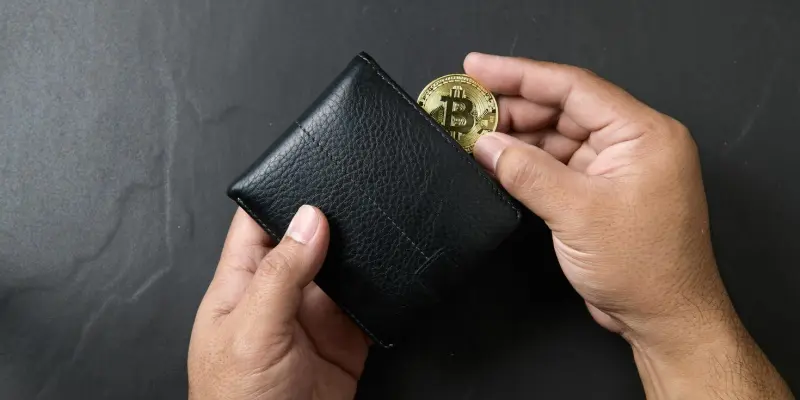
The rapid resurgence of cryptocurrency and the rising dominance of digital wallets in global payments present both promises and challenges, especially in the context of security and transaction speed. As the cryptocurrency market rebounds and digital transactions become increasingly common, the need for secure and efficient solutions grows ever more pressing. The evolving landscape necessitates constant advancements to address user concerns and enhance overall functionality.
Crypto’s Comeback
Following a period of consolidation, the cryptocurrency market is experiencing a notable rebound, underscored by Bitcoin’s price surge above $93,000. This resurgence has been driven by several factors, including positive economic moves such as the U.S. President’s tariff pause, which has stimulated renewed interest and confidence in cryptocurrencies. The market’s swift recovery highlights the ongoing potential and appeal of digital currencies as viable investment and transaction modes.
The rebound of cryptocurrencies is attracting a diverse array of investors and users who are eager to capitalize on the burgeoning market. This amplified interest has garnered attention from traditional financial institutions, further cementing the role of digital currencies in the global financial ecosystem. As cryptocurrencies continue to gain mainstream acceptance, the focus shifts towards creating secure and user-friendly platforms capable of sustaining this momentum and providing robust support for various transactional needs.
Rising Dominance of Digital Wallets
A growing number of consumers in the U.S. are now utilizing digital wallets for international transactions, with adoption rates reaching an impressive 63%. This trend is particularly strong among younger generations, with Millennials and Gen X leading the charge, at 68% and 70% respectively, demonstrating the increasing preference for faster and more seamless financial solutions. This widespread adoption underscores the changing dynamics of consumer behavior, driven by the demand for more efficient and user-friendly tools. Digital wallets offer a variety of benefits that cater to modern financial needs, such as the ability to quickly transfer funds, track expenses, and manage multiple currencies. These advantages resonate strongly with tech-savvy users who value convenience and security. The proliferation of digital wallets also supports the growing trend of contactless payments, further emphasizing the shift towards a cashless society. As digital wallets become more ingrained in everyday financial transactions, the development of innovative solutions to enhance their functionality and security remains a top priority.
The Appeal and Preference for Cryptocurrency
Non-users of digital wallets often cite the speed, seamlessness, broader acceptance, and efficient transaction tracking as key reasons for their interest in adopting these platforms. Approximately 29.1% of current digital wallet users prefer using cryptocurrency, with 46% of respondents favoring crypto for its transaction speed, according to various reports. This emerging preference highlights the unique advantages that digital currencies offer, particularly in terms of efficiency and convenience.
The appeal of cryptocurrencies extends beyond mere speed; their decentralized nature and potential for reduced transaction costs also contribute to their growing popularity. As more users experience the benefits of digital currencies, the demand for secure and reliable digital wallet solutions continues to rise. These platforms must not only facilitate swift transactions but also ensure the safety and integrity of users’ assets. The challenge lies in balancing these requirements while maintaining an intuitive and accessible user experience.
Security Concerns and Their Impact
Despite the growing adoption of digital wallets and cryptocurrencies, security concerns remain a significant issue. Small and medium-sized businesses (SMBs) are particularly wary, with 37% of crypto users expressing worry over potential security breaches. High-profile incidents, such as the ByBit hack, continue to underscore the importance of securing digital assets. The persistent threat of cyberattacks highlights the need for advanced security measures to protect users and bolster confidence in digital wallet solutions. The impact of security concerns extends beyond individual users, affecting the broader adoption of cryptocurrencies and digital wallets. As more people become aware of potential vulnerabilities, the demand for robust security features intensifies. Companies must prioritize the development of secure platforms that can withstand sophisticated cyber threats while offering a seamless user experience. By addressing these concerns, digital wallet providers can help foster greater trust and encourage wider participation in the digital economy.
Best Wallet’s Non-Custodial Approach
Best Wallet ($BEST) has emerged as a noteworthy solution to the security and usability challenges faced by digital wallet users. It offers a non-custodial experience, giving users full control over their crypto assets. This approach addresses the major pain point of security by ensuring that users are the sole holders of their private keys. By eliminating reliance on third-party custodians, Best Wallet minimizes the risk of external breaches and reinforces user autonomy over their digital assets. The non-custodial model also aligns with the core principles of decentralization, which underpin the ethos of cryptocurrency. Best Wallet’s commitment to empowering users with greater control reflects a broader trend towards self-sovereignty in the digital currency space. This paradigm shift emphasizes the importance of personal accountability and the need for tools that provide both security and flexibility. As more users seek solutions that align with these values, non-custodial wallets like Best Wallet are poised to play a pivotal role in the future of digital finance.
Integrating Advanced Security Technologies
To further enhance its security profile, Best Wallet utilizes Fireblocks’ MPC-CMP technology, which splits private keys into several encrypted parts to prevent single points of failure. This advanced security measure aims to mitigate the risks associated with traditional custodial wallets, offering users peace of mind and reinforced protection for their digital assets. By leveraging state-of-the-art cryptographic techniques, Best Wallet can provide a secure and resilient platform for cryptocurrency management. The integration of cutting-edge security technologies is essential in addressing the evolving threat landscape. As cyberattacks become more sophisticated, digital wallets must continually adapt to safeguard user assets. Best Wallet’s adoption of Fireblocks’ MPC-CMP technology exemplifies an ongoing commitment to enhancing security measures and staying ahead of potential vulnerabilities. By prioritizing security, Best Wallet aims to build trust and encourage broader adoption of its platform.
Enhanced Functionalities and Real-World Applications
Best Wallet goes beyond traditional crypto handling by incorporating a built-in decentralized exchange (DEX) for seamless trading without relying on third-party platforms. This feature allows users to trade cryptocurrencies directly within the wallet, eliminating the need for external exchanges and reducing associated risks. The built-in DEX streamlines the trading process, providing users with a more integrated and convenient experience.
In addition to its trading capabilities, Best Wallet introduces the Best Card, a debit card that allows users to spend their crypto effortlessly for real-world purchases. This innovative offering bridges the gap between digital currencies and everyday life, enabling users to utilize their crypto assets in a practical and secure manner. The Best Card exemplifies the potential for digital wallets to expand their functionality and support a wider range of financial activities.
$BEST Token and Incentives
Currently in presale, the $BEST token is priced at about $0.024825 and is expected to rise soon. The $BEST token unlocks a range of enhanced features, including premium utilities, streamlined cross-border functionality, and lower transaction fees. This token-based incentive structure is designed to attract users and encourage engagement with the platform. By offering tangible benefits, Best Wallet aims to create a rewarding experience for its users and foster long-term loyalty.
Best Wallet’s comprehensive suite of functionalities, which includes support for over 100 fiat currencies and a staking aggregator for boosted rewards, positions it as a competitive player in the digital wallet market. The diverse range of features ensures that users can manage their crypto assets effectively while enjoying additional perks such as reduced fees and enhanced earning potential. As the market continues to evolve, Best Wallet’s multifaceted approach and innovative offerings are likely to resonate with a growing user base.
Key Takeaways and Future Considerations
The rapid resurgence of cryptocurrency and the growing dominance of digital wallets in global payments bring both opportunities and challenges, particularly regarding security and transaction speed. As the cryptocurrency market rebounds and digital transactions become increasingly frequent, the need for secure, efficient solutions becomes more crucial. The evolving landscape requires continuous advancements to address user concerns thoroughly and to enhance overall functionality. This incredible growth is pushing technology’s limits, forcing developers to innovate continually. They must build stronger security measures and faster transaction methods to keep up with the increasing demand. Cryptocurrencies and digital wallets are revolutionizing the way we handle money, promising great benefits such as streamlined payments and reduced transaction costs. However, these advancements also come with challenges, such as the potential for cyberattacks and issues with regulatory compliance. Thus, staying ahead in this dynamic field calls for meticulous planning, strategic investments, and unwavering commitment to security and efficiency.