

Apple’s Ambitious Gamble in a UPI-Dominated World
After nearly a decade of anticipation, Apple is finally set to launch Apple Pay in India, a market pulsating with digital transactions. However, its entry comes with a significant twist: the service will initially bypass the Unified Payments Interface (UPI), the undisputed king of digital payments in the country. Instead, Apple is betting on a more traditional, card-based contactless payment system. This article explores the formidable challenges and unique opportunities of this unconventional strategy, questioning whether Apple’s premium brand and loyal user base can carve out a meaningful space in a landscape fundamentally reshaped by UPI’s ubiquity. We will dissect the market dynamics, Apple’s niche approach, and the long-term viability of a payments service that sidesteps the nation’s primary digital artery.
The Digital Payments Revolution: How UPI Reshaped the Indian Market
To understand the scale of Apple’s challenge, one must first grasp the revolutionary impact of UPI. Launched in 2016, this government-backed, real-time payment system democratized digital transactions, making them instantaneous, free, and accessible to hundreds of millions. It fueled the rise of fintech giants like PhonePe and Google Pay, which built their empires by deeply integrating with the UPI framework, processing billions of transactions monthly. This shift pushed traditional card payments to the periphery for everyday use, with UPI now accounting for over 85% of all digital retail transactions. Apple’s delayed entry, hindered for years by regulatory hurdles like data localization and biometric identification rules, means it is now launching in a market that has already been conquered and defined by a system it has chosen, for now, to ignore.
Navigating a UPI-First Landscape: An Analysis of Apple’s Go-to-Market Strategy
A Niche Bet: Targeting the Affluent with Tap-and-Pay
Apple’s initial strategy is not to compete with UPI head-on but to cultivate a specific, high-value niche. By focusing on Near Field Communication (NFC)-based “tap-and-pay” functionality, Apple Pay will enable iPhone users to make contactless payments using their linked credit and debit cards at retail locations. This approach deliberately targets a more affluent demographic—the very segment that has driven Apple’s recent surge in hardware sales in India. The focus is on convenience for existing cardholders and catering to international payment needs, leveraging the seamless, secure experience for which the Apple ecosystem is known. It is a calculated move to capture the premium end of the market rather than engaging in the mass-market battle.
The Elephant in the Room: Confronting UPI’s Unassailable Dominance
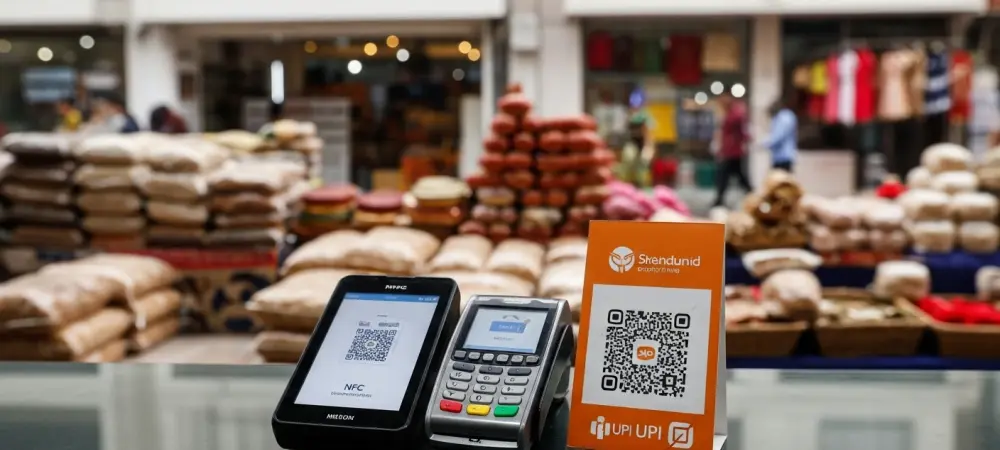
The most significant obstacle for Apple Pay is the sheer scale and cultural entrenchment of UPI. While a card-based system offers a slick user experience at compatible terminals, UPI’s QR code-based system is omnipresent, found everywhere from high-end boutiques to neighborhood tea stalls. Competitors like Google Pay and PhonePe are not just apps; they are integral parts of the daily commercial fabric for millions of Indians. The market for non-UPI digital payments is not only small but shrinking, making Apple’s decision to forgo integration a monumental risk. Without UPI, Apple Pay will be absent from the vast majority of peer-to-peer and small merchant transactions, positioning it as a supplementary, rather than a primary, payment solution for its users.
Leveraging the Walled Garden: Can the iPhone User Base Be Enough?
Despite the UPI challenge, Apple holds a powerful ace: its loyal and growing user base. With iPhone sales hitting record highs in India, Apple has a captive audience of millions of affluent consumers who are more likely to own and use credit cards. For this demographic, the security, privacy, and seamless integration of Apple Pay within the iOS ecosystem could be a compelling value proposition. The service offers a level of hardware-software synergy that third-party apps cannot replicate. This “walled garden” advantage could be enough to secure a foothold, establishing Apple Pay as the preferred payment method for high-value retail transactions and international usage among iPhone loyalists, even if it remains a niche player in the broader payments landscape.
Beyond the Launch: What’s Next for Apple Pay in India?
Looking ahead, Apple’s initial non-UPI strategy may be a stepping stone rather than a final destination. The company could be using this card-based launch to establish a market presence and navigate India’s complex regulatory environment before undertaking the more complex task of UPI integration. Success in its target niche could provide the leverage needed for deeper partnerships with Indian banks and eventual inclusion in the UPI ecosystem. However, the digital payments landscape is not static. The Reserve Bank of India continues to innovate, with potential new regulations and technologies on the horizon that could either create new opportunities or erect fresh barriers for Apple. The ultimate trajectory of Apple Pay in India will likely depend on its ability to adapt, evolve, and perhaps one day embrace the very system it is currently bypassing.
Strategic Takeaways and Actionable Insights
The core conflict for Apple Pay in India is its premium, ecosystem-driven model clashing with a mass-market, interoperable public utility. For Apple, the immediate goal is to prove that a superior user experience can command a loyal following within a high-value segment, even without mass-market reach. For competitors, this is a reminder of the power of brand loyalty and the potential for niche disruption. Consumers, particularly iPhone users, stand to benefit from more choice, but they will have to weigh the convenience of Apple Pay in select locations against the universal acceptance of UPI-based apps. The key takeaway is that in India’s digital economy, market dominance is not just about technology but about accessibility, interoperability, and aligning with the nation’s unique digital infrastructure.
A Calculated Risk in a Digital Juggernaut
In conclusion, Apple Pay’s entry into India represents a fascinating case study of a global tech giant adapting its playbook for a unique market. By launching without UPI, Apple is making a calculated bet that its powerful brand, secure technology, and affluent user base can create a viable, profitable niche. This strategy sidesteps a direct confrontation with entrenched local players and focuses on quality of transactions over quantity. While this approach prevents it from challenging UPI’s dominance in the short term, it secures an important foothold. The ultimate success of Apple Pay will hinge on its ability to prove its value to India’s burgeoning premium consumer class and its agility in adapting to the country’s ever-evolving digital payments ecosystem. The question is not whether Apple Pay can replace UPI, but whether it can thrive alongside it.