

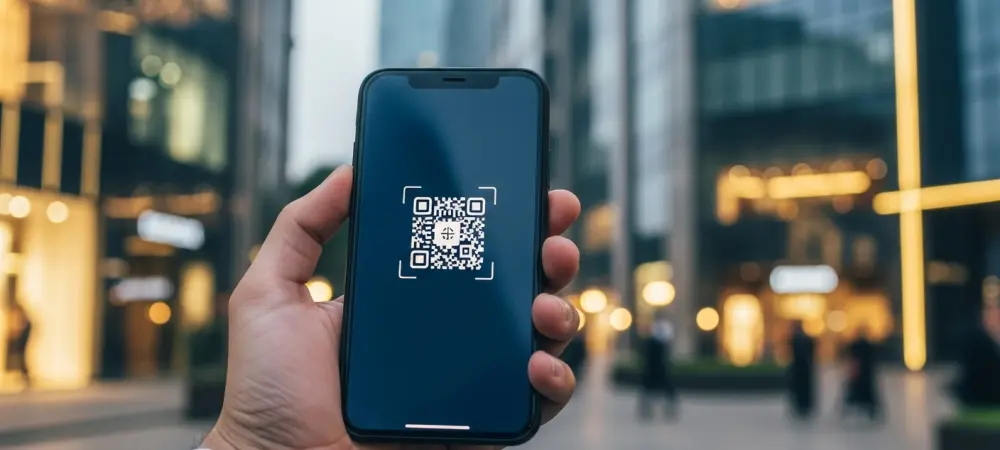
The rapid evolution of India’s financial landscape has transformed once-simple street vendor transactions into a digital-first battlefield where global tech giants fight for every micro-payment. India’s digital payment scene is currently a duopoly where two major players handle the vast majority of transactions, leaving latecomers to scramble for crumbs. While Apple has long treated India as a secondary market for its services, the tech giant is now pivoting from a niche, card-based strategy to a high-level offensive that targets the heart of the country’s financial infrastructure.
The arrival of Apple Pay is not just another app launch; it is a stress test for whether a premium global ecosystem can dismantle the dominance of established local incumbents. This move represents a calculated risk aimed at capturing the high-value segment of a market that has historically favored open, platform-agnostic solutions. The success of this endeavor depends on whether the prestige of the brand can overcome the utility of existing, deeply embedded financial habits.
The High-Stakes Entry into a QR-Coded Economy
India’s digital economy thrives on the simplicity of the quick-response code, a system that has democratized access to banking for millions. For years, Apple stayed on the sidelines, hampered by its reliance on credit card networks that many Indian consumers simply do not use for daily purchases. With India now standing as the world’s most populous nation and a critical growth engine for hardware sales, the company can no longer afford to offer a payment solution that ignores the local preference for real-time, bank-to-bank transfers.
The infrastructure for digital payments has matured to the point where failing to integrate with local standards means total irrelevance for any hardware manufacturer. As the middle class expands, the demand for a unified experience that combines hardware security with local financial rails has reached a fever pitch. Apple’s entry into this space signifies a shift toward treating the Indian consumer as a primary driver of service revenue rather than just a hardware purchaser.
Understanding the UPI Juggernaut and the Current Market Stakes
To understand the challenge ahead, one must recognize that the Unified Payments Interface (UPI) is the undisputed king of Indian finance. It facilitates billions of instant transactions every month, connecting bank accounts to mobile numbers with unparalleled ease. Established incumbents have spent years building vast merchant networks, making it difficult for any newcomer to offer a value proposition that feels significantly different or better.
The stakes are incredibly high because the winner of the payment layer often controls the entire consumer data ecosystem. For Apple, integrating into this “juggernaut” is a necessity for survival in the region. Without UPI support, a digital wallet in India is essentially a luxury item with no practical application at the local grocery store or tea stall. Consequently, the strategy must evolve from being an exclusive club to becoming a functional tool for everyday life.
Breaking Down Apple’s Strategic Pivot: From Niche to Necessity
The shift in Apple’s approach involves moving beyond high-end credit card users to capture a broader demographic. By engaging in direct negotiations with banking titans like ICICI Bank, HDFC Bank, and Axis Bank, the company is positioning itself to bypass traditional card network limitations. This cooperative model allows for a more integrated experience that connects the iPhone’s native wallet directly to the user’s primary savings account, mirroring the convenience of local competitors.
The most significant move is the projected integration of UPI into the wallet app, which would allow users to scan any local QR code—from high-end boutiques to street-side vendors—directly through the native interface. This integration, combined with an expanding physical retail footprint in Mumbai and Delhi, creates a localized ecosystem that feels native to the Indian consumer. It transforms the device from a mere communication tool into a comprehensive financial hub.
Capitalizing on Biometric Security and Regulatory Evolution
A major turning point for this transition lies in the Indian regulator’s evolving stance on transaction authentication. Traditionally, every digital payment in India required a manual PIN or a two-factor authentication step, adding friction to the user experience. However, recent regulatory shifts now permit biometric verification for certain transaction tiers, a change that plays directly into Apple’s hardware strengths.
While competitors often rely on software-based security or standard Android biometric APIs, hardware-integrated FaceID and TouchID offer a seamless, one-touch experience that is significantly faster and more secure. This technological edge could be the “X-factor” that convinces premium users to switch from Google Pay or PhonePe to a more integrated solution. By reducing the number of steps required to complete a transaction, the platform offers a tangible benefit that saves time and enhances privacy.
Navigating the Competitive Gauntlet: Strategies for Market Penetration
Success in India requires a strategy that survives a low-margin, high-volume environment where even giants like Amazon Pay have struggled to gain traction. The focus had to remain on a frictionless-first framework, leveraging existing user loyalty to create a closed-loop experience that rewarded users for staying within the ecosystem. This approach relied on the idea that once a user experienced the speed of hardware-level authentication, they would find it difficult to return to less integrated alternatives.
To disrupt the market effectively, the company needed to ensure its onboarding process was as simple as its hardware design while simultaneously building deep partnerships with local merchants. The battle for the Indian wallet was won not by the brand with the most capital, but by the one that best navigated the complex structural and cultural nuances of the local landscape. Future considerations should include expanding digital identity features and transit cards to ensure the wallet became an indispensable part of the Indian urban lifestyle.