

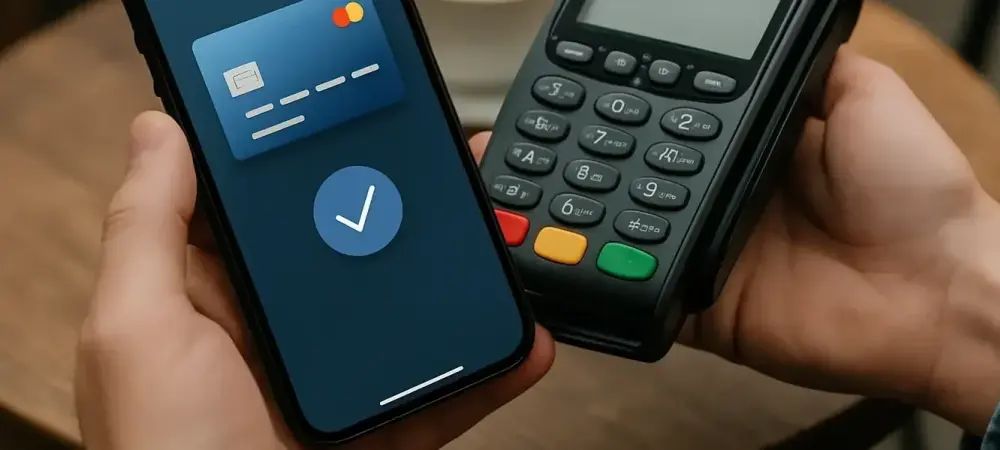
Imagine a world where a mobile payment system born in Europe not only meets the needs of millions across the continent but also stands toe-to-toe with the titans of global finance. A recent partnership between The Payments Group (TPG) and Bluecode has introduced a pioneering pan-European mobile payment prepaid solution that could redefine how transactions are conducted in the European Economic Area (EEA). This innovative service, launched as a direct competitor to dominant international card schemes, prioritizes privacy, security, and user control. Accessible through the Bluecode app, it offers a seamless experience with funding options like SEPA transfers, cards, or cash at over 550,000 retail locations. The promise of a wholly European-made system is not just about technology but about embodying regional values and challenging the status quo of payment ecosystems long dominated by global players.
A New Era of User Empowerment
This groundbreaking solution brings a fresh perspective to mobile payments by focusing on user empowerment in a way that sets it apart from traditional banking systems. With the ability to activate and load funds quickly, users can manage their spending without the risk of overspending, thanks to its prepaid nature. The absence of credit checks or hidden fees further enhances its appeal, making it an accessible alternative for a wide range of individuals, from those handling daily expenses to travelers navigating international borders. Beyond simplicity, the Bluecode app enriches the user experience with transaction overviews and additional value-added services, ensuring that every interaction is transparent and tailored to modern needs. What truly distinguishes this platform is its commitment to protecting personal data and funds, addressing a critical concern in an era where digital security breaches are all too common. As interoperability with European and global payment networks continues to grow, this solution promises wide acceptance, particularly in areas where conventional payment methods may fall short.
Shaping the Future of European Payments
Reflecting on the strides made by TPG and Bluecode, it’s evident that their collaboration marks a significant moment in the evolution of financial technology within the EEA. Their shared vision of a unified payment ecosystem rooted in European technology and values challenges the dominance of international systems, offering a secure and convenient alternative. Looking ahead, plans to integrate this prepaid solution into third-party apps for merchants and travel hint at even greater innovation on the horizon. This expansion aims to create a more connected and versatile payment landscape, ensuring that users can rely on a homegrown tool for diverse needs. The emphasis on privacy and regional standards sets a benchmark for future developments, encouraging other players in the industry to prioritize user-centric solutions. As the partnership paves the way for broader advancements, it becomes clear that the next steps involve fostering deeper interoperability and driving adoption across varied sectors, ultimately strengthening Europe’s position in the global financial arena.