

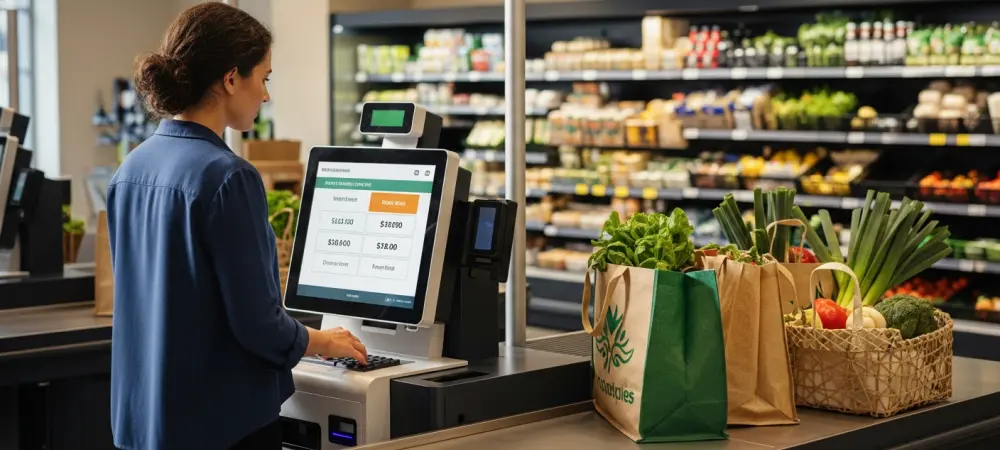
ThepersistentescalationofgrocerypricesacrosstheUnitedStateshasfundamentallytransformedhowhouseholdsapproachtheirweeklyfoodbudgets,leadingtoanunprecedentedrelianceonshort-termcreditsolutions. While Buy Now, Pay Later services were once reserved for high-ticket discretionary items like home gym equipment or designer electronics, the current economic climate has pushed these financial tools into the checkout aisles of local supermarkets. Families are increasingly splitting the cost of eggs, milk, and fresh produce into four manageable installments to navigate the immediate impact of inflation on their purchasing power. This shift indicates a deeper structural change in the American economy, where the traditional paycheck-to-paycheck cycle is being supplemented by micro-debts that allow for temporary liquidity. Retailers have noticed that consumers who utilize these deferred payment options tend to maintain larger basket sizes, effectively masking the true extent of financial strain until the schedule begins.
Digital Retail Evolution
Technological integration has played a pivotal role in normalizing the use of installment plans for perishable goods, with major chains embedding these options directly into their proprietary mobile applications. By partnering with leading financial technology firms, grocery retailers have eliminated the friction traditionally associated with applying for credit, offering near-instant approvals at the point of sale. This seamless experience is particularly appealing to digital-native consumers who prioritize speed and convenience over traditional credit card applications. Furthermore, the integration of these services into loyalty programs has created a powerful incentive for shoppers to commit to specific brands, as these platforms often provide exclusive discounts or rewards for choosing deferred payment methods. As these technologies become more sophisticated, they utilize real-time data to offer personalized credit limits based on purchase history, which encourages immediate consumer spending.
Beyond the convenience factor, the surge in deferred grocery payments reflects a broader trend of financial fragmentation within the middle class. Many consumers who previously relied on traditional revolving credit lines are now turning to these alternative services because of the perceived transparency of fixed payment schedules and the absence of compounding interest. However, this preference often stems from a necessity to preserve traditional credit limits for emergency expenses rather than a strategic financial choice. The psychological relief provided by seeing a sixty-dollar grocery bill reduced to four fifteen-dollar payments is a significant driver of this behavior, even if the cumulative debt remains the same. Economists have observed that this trend is not limited to lower-income brackets; households with higher incomes are increasingly utilizing these services to manage cash flow volatility. This widespread adoption suggests that the current financial stress is pervasive and rising.
Economic Safety Standards
The rapid expansion of installment services into the essential goods sector has caught the attention of federal regulators who are concerned about the potential for predatory lending practices in unregulated spaces. Unlike traditional credit products, many installment services have historically operated in a gray area regarding disclosure requirements and consumer protections. The Consumer Financial Protection Bureau has moved to categorize these providers as credit card issuers, which mandates stricter adherence to transparency standards and dispute resolution processes. This regulatory shift aims to prevent a scenario where consumers inadvertently stack multiple small loans that become unmanageable when aggregated. Industry experts argue that without these safeguards, the ease of splitting small payments could lead to a phantom debt crisis, where the total monthly obligations are not easily tracked. Consequently, the industry is seeing a push toward more integrated dashboards that allow users to view balances.
It was essential for consumers to recognize that while installment plans provided a temporary buffer, they did not address the underlying issues of rising costs. Analysts recommended that individuals prioritized the use of dedicated budgeting software to track every micro-loan, ensuring that future income was not entirely committed to past consumption. Financial institutions responded by developing new products that combined the flexibility of installment payments with the security of traditional banking, offering a hybrid approach to liquidity management. Retailers were also encouraged to provide more prominent warnings about the total cost of ownership for even the most basic necessities. The most successful strategies involved a proactive approach to debt consolidation and a renewed focus on building emergency savings, even in small increments. By acknowledging the risks early, households were better equipped to navigate the complexities of a shifting economic landscape and fostered long-term stability.