

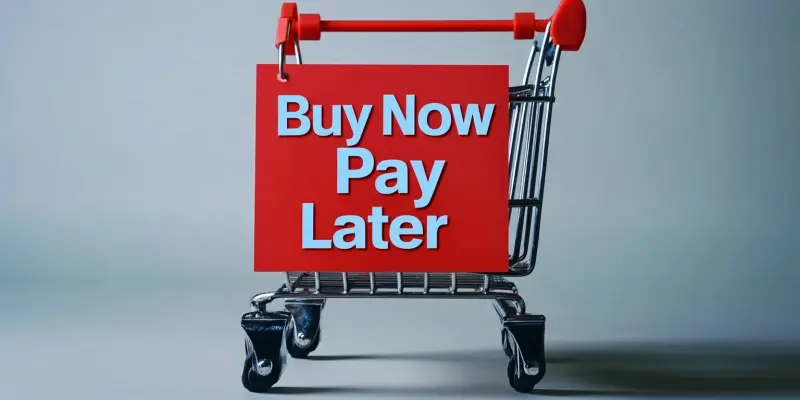
The financial landscape is undergoing a transformative shift with the rapid adoption of Buy Now, Pay Later (BNPL) services among consumers and financial institutions. As a payment option that allows customers to purchase goods and then pay for them in installments, BNPL is gaining significant traction due to its convenience and strategic partnerships with banks. This trend is not only changing how consumers manage their finances but also impacting credit scoring systems, setting the stage for a new era in the payment options market.
Consumer Adoption and Satisfaction
A primary theme in this evolving landscape is the increasing adoption of BNPL services by consumers. Research highlights that an impressive 56% of consumers used installment payment options in the past year, with BNPL taking the lead. The primary appeal of BNPL lies in its ability to provide immediate access to credit without the burden of long-term commitments, a feature that resonates strongly with many consumers. This is particularly relevant as it provides a flexible financing option for both everyday expenses and larger purchases, addressing a broad spectrum of financial needs.
Further supporting BNPL’s rise in popularity is the high satisfaction rate among its users. According to recent surveys, 76% of BNPL users reported being highly satisfied with the service when used for day-to-day shopping and big-ticket items like electronics and furniture. This satisfaction rate signifies a robust endorsement of the convenience and flexibility offered by BNPL plans. The growing user base and positive feedback reflect a strong consumer preference for this innovative payment method, which contrasts sharply with traditional credit options.
BNPL vs. Traditional Credit Card Installments
In the competitive landscape of payment options, BNPL services are carving out a significant share compared to traditional credit card installment plans. Notably, 38% of consumers have used BNPL in the past year, a figure that matches the usage rates of general-purpose credit card installment plans. This statistic is particularly impressive given that only 24% of consumers reported using BNPL the previous year, indicating a substantial year-over-year increase in adoption. This upward trend underscores BNPL’s growing appeal and competitive edge over more traditional financing methods.
The static usage rates of credit card installments further highlight this shift in consumer preferences towards BNPL services. As consumers increasingly favor BNPL over traditional options, the dynamics of the pay-later market are changing. This trend points to a broader reconfiguration in how consumers approach credit and installment payments, guided by the benefits BNPL offers, such as immediate access to credit, interest-free periods, and greater flexibility in payment schedules. The increasing inclination towards BNPL over conventional credit options suggests a paradigm shift in consumer finance behavior.
Drivers of Increased BNPL Usage
Several underlying factors contribute to the increased usage of BNPL services among consumers. One significant driver is the rising credit card utilization rates, as indicated by the findings from the Consumer Financial Protection Bureau. As consumers reach their credit card limits, they often turn to alternative financing options like BNPL, which offer more liquidity and flexibility. This shift is particularly pronounced among individuals with constrained financial situations, where traditional credit solutions may not be as viable or accessible.
Supporting this trend, PYMNTS’ research shows that 19% of the overall population, and a staggering 41% of those living paycheck to paycheck with bill-paying issues, have maxed out their credit cards in the past year. This phenomenon is consistent across various income levels. Specifically, 20% of households earning over $100,000 annually and almost 21% of households with annual incomes of less than $50,000 have experienced similar issues. These statistics highlight the growing necessity for alternative financial solutions like BNPL, especially among consumers with constrained cash flow or limited access to traditional credit.
Major BNPL Market Players
The BNPL market is dominated by several key players who have established significant consumer trust and gained substantial market share. Companies like Afterpay, PayPal, Affirm, and Klarna are at the forefront of the BNPL industry, with around one-third of consumers choosing these providers for their installment payment needs. Their prominence underscores the increasing consumer reliance on BNPL services and indicates a maturity in the market driven by the established reputations and reliable services offered by these firms.
These leading BNPL providers have gained traction by addressing consumer needs for flexible, interest-free financing options, accessible through both online and in-store purchases. By aligning their services with consumer expectations and providing seamless user experiences, these companies have successfully established themselves as trusted alternatives to traditional credit options. Their dominance is a testament to the effectiveness of BNPL services in meeting contemporary financial demands, further solidifying the shift towards new payment methods.
Bank Partnerships and Strategic Collaborations
A significant development in the BNPL landscape is the evolving relationship between traditional financial institutions and BNPL providers. Historically, banks viewed BNPL services with skepticism, perceiving them as a threat to their credit card business. However, this sentiment is changing as banks recognize the potential benefits of partnering with BNPL providers. A prime example is J.P. Morgan Payments’ recent partnership with Klarna, a leading BNPL company. This strategic collaboration enables approximately 900,000 businesses to offer Klarna’s installment payment options to their customers through J.P. Morgan’s extensive payment operations, which handle $2 trillion in annual transactions.
The partnership between J.P. Morgan and Klarna includes interest-free BNPL and flexible financing options available via J.P. Morgan Payments’ Commerce Solutions Platform. This innovative move not only strengthens J.P. Morgan’s relationships with its merchant clients but also introduces new revenue streams for the bank. By embracing BNPL, traditional banks can leverage the growing consumer demand for flexible payment solutions, enhancing their service offerings and staying competitive in an evolving market. This strategic shift marks a pivotal moment in the integration of BNPL services within traditional financial ecosystems.
Impact on Credit Scoring
The financial sector is experiencing a significant transformation with the swift rise of Buy Now, Pay Later (BNPL) services among both consumers and financial institutions. This payment option allows customers to buy items and pay for them in installments, offering a level of convenience that is driving its popularity. Strategic partnerships with banks are further propelling BNPL’s adoption. This trend is reshaping how consumers handle their finances, making budgeting simpler and more flexible. Furthermore, BNPL is influencing credit scoring systems, altering the traditional methods of determining creditworthiness. Consequently, it is ushering in a new era in payment options, providing alternatives that are reshaping the marketplace. With more people and financial institutions embracing BNPL, its impact is expected to grow, leading to substantial changes in consumer behavior and financial products. This evolution is not just a passing phase but a significant shift that is likely to define future financial landscapes.