

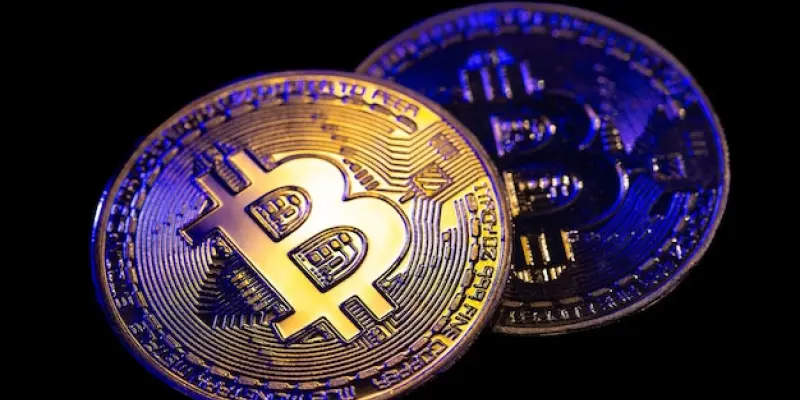
The landscape of the cryptocurrency market has recently been shaped by the notable activities of Bitcoin whales and institutional investors. As cryptocurrency becomes increasingly central to financial markets, the actions of these key players have substantial impacts on asset values. In recent months, massive Bitcoin wallets, commonly referred to as whales, have engaged in transactions that align closely with significant fluctuations in Bitcoin’s price. These movements highlight an interesting and pivotal period in the broader cryptocurrency narrative.
Whale Movements and Market Impact
Significant Whale Transactions
One of the most remarkable activities was witnessed on March 24, when a Bitcoin whale who had previously sold 11,400 Bitcoin in prior months made a substantial purchase of $200 million worth of Bitcoin. This single transaction raised the whale’s holdings to over 15,000 Bitcoin, which had an estimated value exceeding $1.3 billion at the time. This sudden and significant acquisition correlated with a notable rebound in Bitcoin’s price, as it traded between $81,000 and $88,000 over the subsequent week. Such a strategic move by a whale not only signifies renewed investor confidence but also serves as a catalyst for market shifts.
In a parallel development, another prominent whale, which had remained dormant for eight years, transferred 3,000 Bitcoin worth $250 million on March 22. The long-term holding strategy exemplified by this account underscores the patience and foresight exercised by some of the market’s most influential participants. These movements by whale accounts highlight the potential for strategic accumulations to drive substantial market dynamics, influencing overall liquidity and investor sentiment. The complex interplay between such transactions and market responses continues to intrigue analysts and investors alike.
Institutional Investments in Bitcoin
Institutional investors have also played a significant role in recent market trends. BlackRock, a leading asset manager, substantially increased its Bitcoin holdings through several sizable acquisitions. Recently, BlackRock purchased a total of 4,054 Bitcoin across fifteen transactions, bringing its overall allocation to 573,878 Bitcoin, with a market value exceeding $50 billion. This decisive move by one of the world’s largest asset managers underscores the growing acceptance of Bitcoin as a legitimate and prominent asset class within mainstream financial strategies.
Such robust institutional interest not only provides a level of validation for Bitcoin and other cryptocurrencies but also boosts their credibility and stability within traditional financial systems. As institutional players like BlackRock forge deeper integrations into the cryptocurrency space, they contribute to a more mature and resilient market. The influx of institutional capital can temper volatility and spur confidence among other investors, both retail and institutional, further reinforcing the cryptocurrency market’s evolving dynamics.
Ether Whale Activities and Market Implications
Noteworthy Ether Transactions
In addition to the notable movements within the Bitcoin market, significant activities have also been recorded in the realm of Ether. On March 21, an Ether whale added 7,074 Ether to their holdings, worth approximately $13.8 million at the time of purchase. This transaction was part of a broader trend of increased activity among substantial Ether addresses. Over the past few weeks, Ether’s price has fluctuated between $1,876 and $2,097, reflecting a phase of volatility yet growth potential.
Moreover, this spike in activity among Ether holders corresponds with a surge in open market interest, reaching an all-time high. The rising number of substantial Ether addresses indicates that larger investors are keen on consolidating their positions, possibly anticipating future price increases or strategic gains. The overall scenario showcases a strong belief in Ether’s long-term potential, bolstered by its wide-ranging applications within decentralized finance and smart contract platforms.
Repercussions on Market Dynamics
The significant purchases by whales and the increase in the number of substantial addresses have broader implications for the Ether market. These activities suggest a consolidation phase, where major investors seek to strengthen their holdings amidst fluctuating prices. This phase often precedes periods of price stabilization or growth, as high-net-worth investors pave the way for upward trends by fostering a secure and confidence-rich environment.
Additionally, the robust activity levels are symptomatic of a larger trend of growing interest and participation from institutional players. As whales and institutions maneuver within the market, smaller investors and stakeholders take cues from these movements, leading to a ripple effect that can significantly alter market sentiments and directions. The convergence of these factors continues to underscore Ether’s relevance and attraction as a critical asset within the world of digital currencies and blockchain technologies.
Conclusion
The cryptocurrency market has recently been influenced heavily by the activities of Bitcoin whales and institutional investors. As the role of cryptocurrency in financial markets deepens, the actions of these prominent figures significantly affect asset prices. In recent months, enormous Bitcoin holders, commonly known as whales, have conducted transactions that often coincide with major price shifts in Bitcoin. These movements underscore a crucial and intriguing phase in the wider cryptocurrency story.
Adding to this dynamic, institutional investors have also started to play a more substantial role in the market. Their participation has added a layer of credibility to cryptocurrencies, attracting more mainstream attention and investment. This increased involvement has led to heightened volatility but also signifies growing acceptance in traditional finance circles. The combined influence of these large players is shaping the future and stability of the cryptocurrency market, making it a fascinating period for observers and investors alike.