

The once-untouchable dominance of digital gold mining is currently facing its most significant existential challenge as industrial-scale operators navigate a landscape defined by diminishing returns and soaring energy demands. Following the critical network adjustments that took place in early 2024, the fundamental economics of securing the blockchain have shifted from a high-margin endeavor to a desperate race for operational efficiency. Large-scale mining firms, which previously defined their success solely through hash rate growth, are now aggressively rebranding themselves as high-performance computing providers. This transition represents a total overhaul of the corporate identity within the sector, as leadership teams seek to distance their stock prices from the inherent volatility of the cryptocurrency markets. By integrating artificial intelligence workloads into their existing data centers, these companies are attempting to secure a more predictable revenue stream that appeals to institutional investors who were previously wary of the crypto space.
The Economic Catalyst: Surviving the Margin Compression
The primary driver behind this seismic shift is a phenomenon known as the pincer effect, where falling block rewards meet the rising floor of operational expenses. In the period following the 2024 halving event, the cost of production for a single token has escalated to nearly eighty thousand dollars for many of the leading public companies, effectively rendering thousands of older ASIC machines into expensive paperweights. This compression of profit margins has forced a re-evaluation of what constitutes a valuable asset in the mining world, moving the focus away from the hardware itself and toward the underlying power contracts and cooling infrastructure. Companies are discovering that the same electricity previously used to solve complex cryptographic puzzles can generate significantly higher returns when redirected toward training large language models or hosting complex cloud computations. Consequently, the strategy of simply adding more mining rigs is being replaced by a more nuanced approach that prioritizes high-tier data center status.
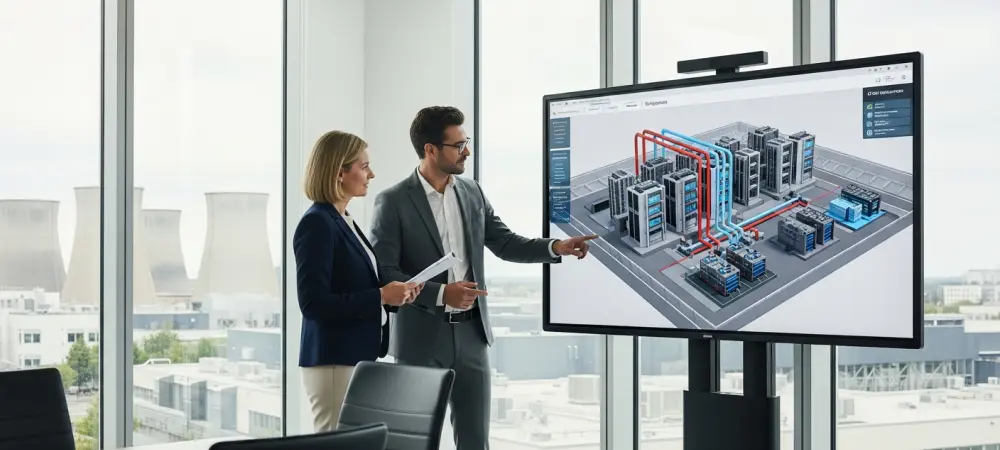
Leading this physical transformation are companies like TeraWulf, which has successfully pivoted by securing massive long-term agreements with prominent artificial intelligence firms such as Anthropic. These deals are not merely supplemental; they involve the total repurposing of hundreds of megawatts of critical load to accommodate the specialized needs of AI supercomputers. However, the transition from a traditional mining facility to a Tier-3 data center is an immense engineering feat that requires more than just a change in software. It involves a complete redesign of air and liquid cooling systems, as well as the installation of high-end graphics processing units that demand a much more stable and sophisticated power delivery network than standard mining rigs. For many firms, this infrastructure upgrade represents a significant capital barrier, yet it is increasingly seen as the only viable path forward for facilities that possess valuable grid connections but lack the margins to remain competitive in a post-halving mining environment.
Corporate Strategy: Liquidity and Governance Scrutiny
To finance these astronomical upgrade costs, several industry giants have made the controversial decision to abandon their long-held commitment to retaining the digital assets they produce. Marathon Digital, once a staunch advocate for the strategy of holding all mined tokens, has recently liquidated significant portions of its holdings to build a formidable cash reserve. This move signals a fundamental change in the way these companies view their primary product; it is no longer a speculative investment for the corporate balance sheet but rather a form of working capital used to fuel technological expansion. While this liquidation provides the liquidity necessary to purchase expensive hardware and secure talent from the competitive AI sector, it also removes a critical layer of price support from the broader market. When the largest producers in the world begin treating their assets as a source of immediate funding rather than a long-term store of value, the traditional relationship between the mining sector and the token price begins to fracture.
The timing of these strategic pivots has coincided with a notable increase in insider equity sales, sparking intense debate regarding the true motivations of industry leadership. Executives at prominent firms, including Riot Platforms and Cipher Digital, have recently offloaded millions of dollars in shares just as the enthusiasm for artificial intelligence initiatives drove company valuations to local highs. Although many of these transactions were conducted through pre-arranged regulatory selling plans, the optics of high-ranking officers de-risking their personal portfolios during a period of radical corporate transformation have raised questions among retail investors. Critics argue that while the narrative of an AI pivot is compelling to Wall Street, the actual execution and long-term profitability of such a shift remain unproven. This has led to a call for greater transparency in how these companies manage their energy assets and whether the pivot to high-performance computing is a genuine growth strategy or a convenient way to mask the declining profitability of legacy mining.
Infrastructure Evolution: Funding the New Frontier
The financial scale of the required transformation is truly staggering, with recent industry estimates suggesting that a full transition across the sector could require upwards of two hundred billion dollars in fresh capital. Given the high cost of specialized chips and the specialized labor required to maintain them, many firms have resorted to frequent rounds of shareholder dilution to bridge the funding gap. This practice has met with increasing resistance from the investor community, particularly when boards of directors continue to grant generous share-based compensation to executives despite stagnant earnings from the new business units. The tension between the need for massive capital investment and the desire for shareholder protection has become a defining feature of the current corporate landscape. As firms continue to issue new equity to pay for the infrastructure of the future, the pressure to deliver measurable results from their AI and cloud computing segments has never been higher, leaving little room for error in a market that moves at breakneck speeds.
By the close of this pivotal era, the core identity of the companies that once defined the blockchain infrastructure space became almost entirely unrecognizable. The strategic pivot toward artificial intelligence successfully provided a necessary buffer against the extreme price fluctuations of the digital asset market, but it also fundamentally altered the supply and demand dynamics that previously governed the industry. As firms sold a larger percentage of their production to cover the costs of high-performance hardware, the historical link between the health of the mining sector and the stability of the underlying asset reached a point of permanent divergence. This evolution required a total reimagining of what it meant to be a data center operator in an age where power was the most valuable currency. Investors who successfully navigated this transition realized that the true value of these firms lay not in the tokens they generated, but in their unique ability to bridge the gap between energy production and the rising demands of global computational intelligence.