

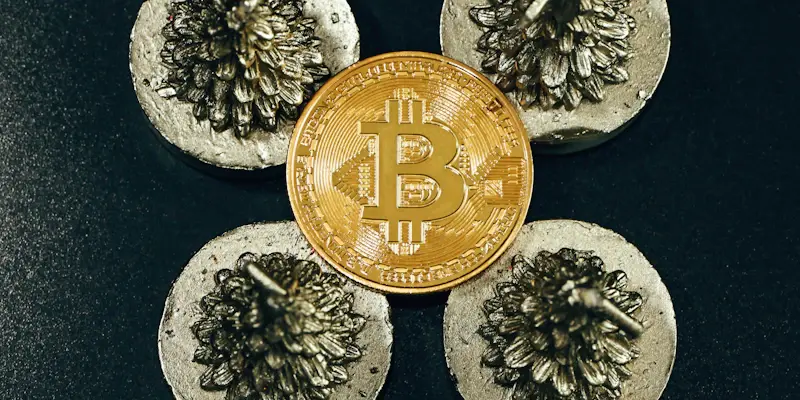
Bitcoin’s price had climbed by nearly 3% to $106,126.74, peaking at $107,229.38, marking an exhilarating new all-time high for the leading cryptocurrency. This remarkable rise did not occur in isolation but came alongside widespread market speculation that the Federal Reserve would reduce interest rates during its upcoming two-day policy meeting. Investors are forecasting a 96% likelihood of a 25-basis-point cut, fueling a heightened sense of optimism. Lower interest rates typically favor Bitcoin, often likened to tech stocks, by implying a weaker dollar and an increased money supply. Both factors have historically shown positive long-term correlations with Bitcoin, thereby nurturing a positive outlook for its valuation. The market sentiment was electrified, fostering an environment where Bitcoin could thrive amid expectations of favorable monetary policy shifts.
As Bitcoin exhibited bullish tendencies, the broader economic implications of a potential interest rate cut by the Federal Reserve added another layer of intrigue. In traditional financial markets, lower interest rates often encourage investment in higher-risk assets, and Bitcoin, as a decentralized digital currency, stands to reap substantial benefits. Investors perceive Bitcoin as a hedge against inflation and a safe harbor in economic turbulence. The anticipation of a softer credit environment creates an ideal backdrop for Bitcoin to flourish. Consequently, these speculations have driven a wave of optimistic investor activity, elevating the cryptocurrency’s market position even further. It appears that Bitcoin is not just breaking records but also redefining market dynamics in anticipation of interwoven financial strategies and economic policies. As the Fed’s policy meeting approaches, the focus shifts increasingly toward potential new thresholds in Bitcoin’s ever-evolving journey.
Rising Cybersecurity Threats and Risk Management
Meanwhile, significant cybersecurity concerns have emerged, particularly highlighted by a recent devastating hack known as Salt Typhoon. This breach, attributed to China, compromised major U.S. telecommunications companies, including giants like AT&T and Verizon. The hack cast a glaring light on the vulnerabilities within critical infrastructure, urging immediate preventive measures. In response, various U.S. agencies recommended the adoption of end-to-end encrypted messaging to bolster security. This encryption method ensures that only the intended recipients can access messages, providing robust protection against any hacking or unauthorized surveillance attempts. The urgency to adopt stringent cybersecurity protocols underscores an era where digital security threats grow more sophisticated, and proactive strategies have become indispensable.
The implications of these cybersecurity threats extend far beyond individual companies, touching on national security concerns and the integrity of essential communication networks. The compromised data could potentially be exploited in numerous ways, ranging from industrial espionage to more malicious intents, posing significant risks. The U.S. government’s recommendation underscores the critical need for businesses and individuals alike to ramp up their cybersecurity measures. Embracing end-to-end encrypted messaging serves as a crucial line of defense, offering a formidable barrier against cyber incursions. In an interconnected world, where digital communication forms the backbone of everyday operations, these steps are not merely preventive but essential to safeguarding the infrastructure that underpins the global economy.
Positive Trends in the Broader Crypto Market
Bitcoin’s price surged nearly 3% to $106,126.74, peaking at $107,229.38, marking an exhilarating all-time high for the leading cryptocurrency. This remarkable ascent came amid market speculation that the Federal Reserve would reduce interest rates during its upcoming policy meeting. Investors forecast a 96% likelihood of a 25-basis-point cut, fueling optimism. Lower interest rates generally favor Bitcoin, often viewed similarly to tech stocks, by implying a weaker dollar and greater money supply. These factors have historically shown positive correlations with Bitcoin, enhancing its valuation outlook.
As Bitcoin displayed bullish behavior, the broader economic implications of a potential rate cut by the Federal Reserve added intrigue. Lower interest rates in traditional financial markets often encourage investment in higher-risk assets. Bitcoin, as a decentralized digital currency, could significantly benefit. Investors see Bitcoin as a hedge against inflation and a safe haven during economic turmoil. Anticipation of a softer credit environment fosters an ideal backdrop for Bitcoin. These speculations have spurred optimistic investor activity, boosting its market position. As the Fed’s policy meeting nears, the focus shifts toward potential new thresholds in Bitcoin’s journey.