

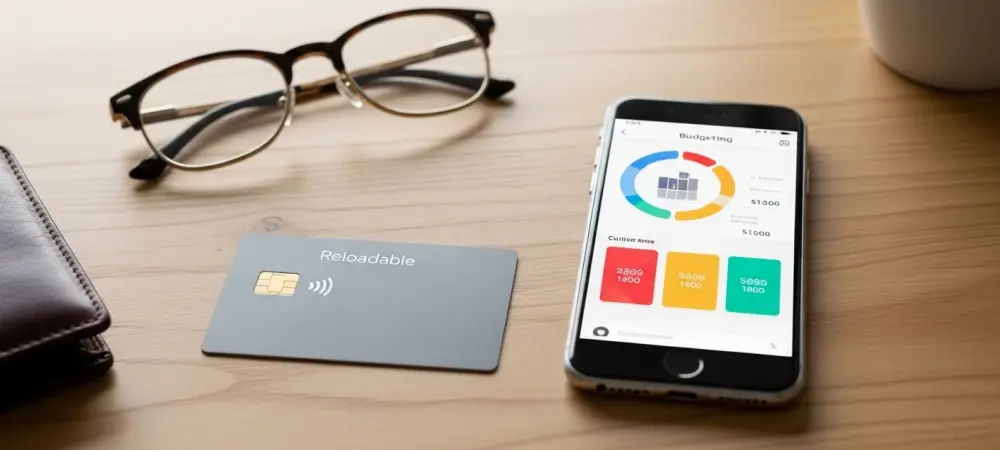
The plastic cards traditionally found in supermarket aisles are rapidly shedding their reputation as mere last-minute gift solutions, evolving instead into sophisticated financial instruments for personal use. This fundamental shift is largely driven by the “self-use” phenomenon, where individuals purchase and load cards to manage their own specific financial needs rather than for gifting purposes. By treating these tools as reloadable personal accounts, consumers are signaling a departure from the anonymous, one-time transaction model toward a continuous, relationship-based financial framework. This transition suggests that the prepaid card has transitioned from a disposable commodity into a foundational element of the modern digital wallet. The motivation behind this change is multifaceted, involving a blend of technological convenience, a desire for enhanced security, and a need for more granular control over personal budgeting in an increasingly complex and interconnected economic environment.
Drivers of the Modern Prepaid Transition
Security and the Digital Safety Net
One of the primary drivers for the sustained use of prepaid cards is the unique balance they provide between digital convenience and financial security. In the current landscape of 2026, consumers are increasingly wary of linking their primary bank accounts to every digital service they use, particularly in sectors that carry higher perceived risks. Prepaid cards function as an essential digital buffer, allowing users to participate in online gaming, sports betting, or niche e-commerce without exposing their entire life savings to potential data breaches or fraudulent activities. By limiting the available funds to the specific amount loaded onto the card, these users create a self-imposed safety net. This containment strategy ensures that even if a card’s details are compromised, the damage is restricted to a pre-determined sum, providing a level of peace of mind that traditional debit or credit cards, which often have much higher spending limits, simply cannot replicate for many.
Beyond the immediate protection against external threats, the prepaid model offers a significant internal safeguard by preventing the accumulation of high-interest debt. Unlike credit cards, which rely on borrowed funds and can lead to a cycle of mounting interest payments, a prepaid account operates strictly on a “pay-now, spend-later” basis. This fundamental characteristic appeals to a demographic that is increasingly debt-averse and looking for ways to navigate the economy without the burden of credit obligations. By utilizing these cards for recurring digital subscriptions or potentially volatile spending categories, consumers are taking a proactive stance in managing their financial exposure. This shift toward self-controlled limits highlights a broader trend where the modern user prioritizes the integrity of their primary financial core over the convenience of a single, all-encompassing payment method. This specialized use case is transforming the prepaid card into a permanent fixture within the individual’s broader financial security strategy.
Strategic Budgeting and Fund Isolation
These cards have become essential tools for disciplined budgeting and financial segmentation in a world where digital transactions can easily lead to mindless overspending. Many consumers now use prepaid accounts to isolate “fun money” or specific spending categories, such as dining out, hobbies, or entertainment, from their essential living expenses. This separation allows for a much better tracking of discretionary spending because the user can see exactly how much remains in a specific “bucket” without having to manually calculate it against their total bank balance. By designating a specific card for a specific purpose, individuals create a psychological and physical barrier that prevents them from accidentally depleting funds reserved for rent, utilities, or mortgage payments. This method of financial “enveloping” has found a new life in the digital age, proving that old-school budgeting techniques can be successfully adapted for the contemporary consumer.
Furthermore, the rise of specialized prepaid accounts has empowered users to manage household expenses with greater precision and transparency. For instance, families may load a specific card with a monthly allowance for groceries or gasoline, ensuring that these essential costs are accounted for and strictly managed. This approach naturally reduces the friction often associated with joint accounts or shared expenses, as each card serves a clear and defined purpose within the household’s economic ecosystem. The ability to monitor these balances in real-time through mobile applications adds a layer of convenience that reinforces the habit of using prepaid tools for long-term planning. As people become more accustomed to seeing their finances through the lens of segmented accounts, the prepaid card stops being a temporary fix and starts being a strategic partner in daily life. This evolution reflects a growing preference for granular control and visibility, which are key components of modern financial health and long-term stability.
Mechanics of Customer Retention and Lifecycle
Overcoming Friction Through Targeted Incentives
For card issuers and financial institutions, the transition from a one-time user to a loyal customer hinges almost entirely on the critical “first reload” event. To encourage this behavior, many companies have developed sophisticated targeted incentives such as immediate cash bonuses, free products, or exclusive early access to new services. These rewards are designed to overcome the initial psychological friction of adding funds to a card that might otherwise be discarded after its initial balance is spent. By providing tangible value at the moment of the first reload, issuers help the user see the card as a permanent account rather than a disposable item. This strategic intervention is essential for extending the product lifecycle, as it effectively bridges the gap between a trial phase and a committed usage pattern. When a consumer realizes that reloading a card yields a higher return than simply using a standard debit card, the habit of “self-use” begins to take root and flourish.
The integration of prepaid cards into broader brand ecosystems, such as those found in the coffee or fast-food industries, further illustrates the power of incentives. By offering enhanced loyalty points or “stars” for every transaction made via a branded prepaid account, companies transform the card into a primary payment interface for their most frequent customers. This creates a cycle where the act of spending leads to rewards, which in turn necessitates a reload to continue earning more benefits. Over time, the perceived effort of managing the account is outweighed by the cumulative value of the rewards, making the prepaid card an indispensable tool for the savvy shopper. This model has proven so successful that it is now being adopted across various retail sectors, demonstrating that when the value proposition is clear, consumers are more than willing to adopt a reloadable model for their favorite brands. The focus has shifted from selling a card to selling a long-term, rewarding relationship.
Digital Registration and Data-Driven Relationships
Registration represents a critical milestone that transforms the user experience from an anonymous transaction to a personalized and data-driven relationship. When a customer takes the time to register their card, they provide valuable information that allows issuers to tailor marketing efforts and enhance security features significantly. This process integrates the user into a customer relationship management system, fostering a sense of brand connection that encourages long-term card retention. Once a card is registered, it often gains additional protections, such as balance replacement in case of loss or theft, which provides the user with the confidence to maintain higher balances over longer periods. This transition from an “anonymous piece of plastic” to a “protected financial account” is a psychological turning point that cements the card’s place in the user’s daily routine, moving it away from the gift category.
The data gathered through registered prepaid accounts also allows for a level of personalization that was previously impossible in the prepaid space. Issuers can analyze spending patterns and reload frequencies to offer customized deals that align with the user’s actual behavior. For example, if a user consistently reloads their card on the first of the month, the issuer might provide a “top-up bonus” to reward that consistency. This level of engagement makes the user feel valued and understood, reinforcing their decision to stick with the specific prepaid program. Moreover, the ability to manage a registered card through a dedicated mobile app provides a seamless user interface that rivals traditional banking experiences. By offering features like automated reloads and real-time alerts, providers ensure that the card remains top-of-mind and easy to use. This technological integration is the final piece of the puzzle that turns a simple payment tool into a comprehensive, long-term financial platform for the modern consumer.
Broader Economic Implications and Institutional Integration
Efficiency Gains for Merchants and Financial Institutions
Merchants find significant operational value in the self-use model because it streamlines transaction costs and boosts customer visit frequency. When a customer reloads a large sum onto a card in a single instance, the merchant typically pays a single processing fee instead of multiple interchange fees for smaller, individual purchases throughout the month. This aggregation of transactions can lead to substantial savings for high-volume retailers, which can then be reinvested into better customer experiences or more aggressive loyalty programs. Additionally, the “pre-spent” nature of the funds often encourages a phenomenon known as “lift,” where customers tend to spend more than the card’s current balance during their visit, leading to higher overall sales. Because the money is already committed to the brand’s ecosystem, consumers feel more comfortable making additional purchases, knowing that the primary cost has already been covered by their previous reload.
Traditional financial institutions have also begun to recognize that prepaid products can complement, rather than compete with, standard banking services. Some forward-thinking banks have integrated prepaid cards with sophisticated spend-tracking and budgeting apps, allowing customers to manage their finances more holistically across different platforms. By offering these cards as companion products to traditional checking accounts, banks can capture a larger share of a customer’s total financial activity and provide specialized tools for different spending needs. This integration helps the bank retain customers who might otherwise look to third-party fintech apps for budgeting features. The synergy between traditional banking and prepaid flexibility creates a more robust financial ecosystem where the consumer has access to a wide variety of tools for different scenarios. This institutional support validates the prepaid card as a legitimate and permanent component of a well-rounded financial life, further accelerating its adoption among diverse demographics.
Future Perspectives: Toward a Unified Payment Ecosystem
The most successful prepaid programs leveraged psychological triggers like status and exclusivity to maintain user interest over an extended duration. By mimicking the loyalty tiers commonly found in the airline and hospitality industries, brands were able to reward frequent users with specialized benefits and highly personalized experiences. These programs utilized detailed purchase histories to simplify future transactions, creating a frictionless ecosystem that effectively reinforced the habit of using the card for everyday purchases. The strategy focused on elevating the user’s status, making the act of reloading and using the card feel like a membership in an elite club rather than a simple financial chore. This approach successfully transformed the prepaid instrument into a symbol of brand affinity and consumer savvy, ensuring that it remained a preferred payment method even as other digital options became available.
In the final analysis, the transition of prepaid cards into long-term financial tools was achieved through a clear articulation of value by both brands and program managers. Providers that viewed the prepaid card as a gateway to a recurring revenue model, rather than a mere commodity, saw the greatest success in the market. The cycle of use—where rewards drove reloads, which in turn generated data to fuel further personalization—became the foundational element of the consumer’s daily financial routine. To move forward, stakeholders must continue to prioritize the “first reload” and the registration process as the primary drivers of growth. By focusing on these critical milestones, companies turned a simple piece of plastic into a robust budgeting tool and a powerful engine for customer loyalty. The evolution of the prepaid sector has demonstrated that when security, convenience, and rewards are properly aligned, even the most basic payment tool can become a cornerstone of long-term financial management.