

The Next Frontier in Checkout: From Concept to Reality
The familiar routine of pulling out a wallet or phone at the checkout counter may soon become a thing of the past. A new wave of payment technology, powered by biometrics, is poised to move from the realm of science fiction to your neighborhood coffee shop and retail store. Through strategic partnerships, what was once an exclusive tool for tech giants is now becoming accessible to small- and medium-sized businesses, promising a faster, more secure, and entirely frictionless transaction experience. This article explores the forces driving this transition, the practical challenges and benefits of implementation, and what the mainstream adoption of biometric payments means for both consumers and businesses.
From PINs to Fingerprints: The Road to Biometric Adoption
The evolution of payment technology has always moved toward greater convenience and security. We transitioned from cash to magnetic stripes, then to the added security of chip-and-PIN, and more recently to the effortless tap of a contactless card or smartphone. Each step has reduced friction at the point of sale. The groundwork for the next leap was laid not in retail, but in our pockets. The widespread integration of fingerprint scanners and facial recognition into smartphones has normalized biometric authentication for billions of users worldwide. This daily interaction has built a crucial foundation of consumer familiarity and trust, making the idea of paying with a glance or a wave of the hand feel less futuristic and more like a logical next step.
Unpacking the Technology and Its Real-World Impact
Bringing Big-Tech Innovation to Main Street
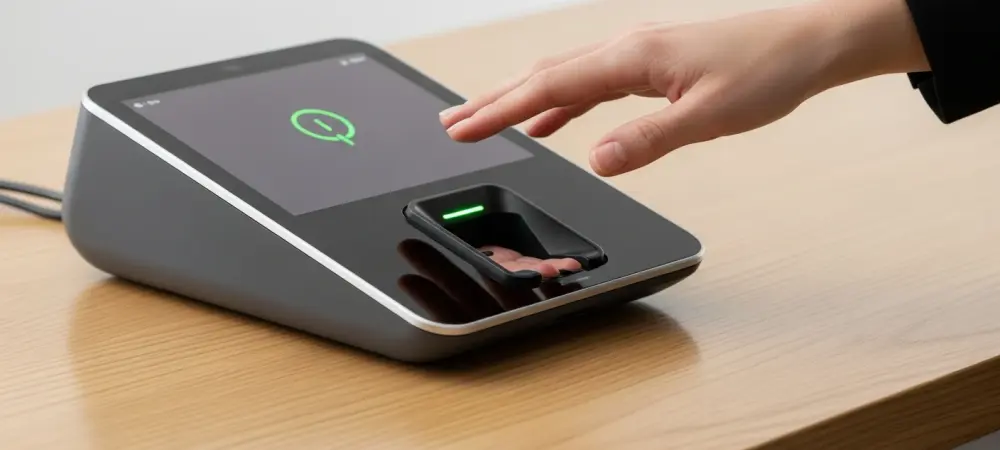
For years, seamless checkout experiences powered by advanced biometrics were the domain of enterprise-level retailers with deep pockets for research and development. However, the landscape is rapidly changing. A pivotal partnership between point-of-sale provider Clover and biometric firm Wink is set to democratize this technology by integrating face and palm scanning directly into Clover’s platform. This move is a game-changer, making cutting-edge, frictionless payments available to millions of small- and medium-sized businesses (SMBs) for the first time. This initiative signals a critical shift from niche applications to broad market availability, leveling the playing field for smaller retailers.
Balancing Convenience with Consumer Consent and Security
The primary appeal of biometric payments lies in their unmatched speed and convenience. Yet, their success hinges on overcoming a significant hurdle: customer adoption is strictly voluntary. While a frequent customer might see value in enrolling for faster service, a one-time shopper is less likely to go through the process of creating a biometric profile. To address the inevitable privacy concerns, providers like Clover are implementing robust security measures. Instead of storing raw biometric data, the system uses tokenization to create a secure, digital stand-in for a person’s identity. This ensures that sensitive personal information remains separate from payment credentials, providing a critical layer of protection and building the consumer trust necessary for widespread acceptance.
Strategic Rollouts and the Broader Industry Shift
The initial push for biometric payments will not be everywhere at once but will focus on environments where the benefits are most apparent. Clover is targeting high-traffic locations with a high percentage of repeat customers, such as quick-service restaurants, local retail stores, and entertainment venues. Sports stadiums represent an ideal use case, as biometric systems can drastically cut down on long lines for concessions and merchandise. Furthermore, these systems can be linked to loyalty programs, offering an extra incentive for season ticket holders and devoted fans to enroll. This strategic approach is part of a larger industry trend. With Amazon Pay recently enabling biometrics for India’s UPI platform, it is clear that the market is moving beyond isolated pilot programs and toward a future where paying with your palm or face is a common, everyday option.
The Future Trajectory: What to Expect Next
The integration of biometrics into mainstream POS systems like Clover is just the beginning. As this technology becomes more common, we can expect a ripple effect across the retail industry. Competitors will likely accelerate their own biometric payment solutions, fostering innovation and driving down costs. The future of this technology extends beyond just payments; it has the potential to create a hyper-personalized in-store experience. Imagine a system that recognizes you as you enter a store, links to your loyalty account, and provides tailored discounts or recommendations—all before you even reach the checkout. The next phase will focus on creating a holistic, interconnected retail environment where identity, payment, and loyalty are unified in a single, seamless interaction.
Key Takeaways for Businesses and Consumers
The key insight for businesses is that advanced, frictionless payment technology is no longer out of reach. For SMBs, particularly those with a loyal, recurring customer base, exploring these new systems could provide a significant competitive advantage by enhancing customer experience and operational efficiency. The primary recommendation is to evaluate whether the benefits of faster checkout and integrated loyalty align with their business model. For consumers, the takeaway is to understand that convenience comes with a data transaction. Before opting into any biometric payment program, it is essential to be aware of the security protocols, such as tokenization, that are in place to protect your personal information.
Your Next Purchase May Be Your Most Personal Yet
The transition toward biometric payments represents a fundamental shift in our relationship with commerce. What began as a futuristic concept, popularized by smartphones, is now arriving at local storefronts, driven by a need for faster, more secure, and more convenient transactions. This democratization of technology empowers small businesses to offer experiences once reserved for retail giants, but its ultimate success will depend on earning consumer trust through robust security and clear value. As this technology continues to mature, it promises to make the act of payment so seamless it becomes nearly invisible, fundamentally reshaping the customer experience for years to come.