

The sticky residue of a leaked shampoo bottle pooling at the bottom of a cardboard box has become a familiar, albeit infuriating, ritual for many online shoppers today. This common consumer disappointment often marks the end of brand loyalty, as the unboxing experience—once a moment of high anticipation—transforms into a messy cleanup operation. For beauty and home care brands, ensuring “social media-proof” arrivals has become the new benchmark for success in an increasingly digital-first marketplace.
Damaged goods result in complex return logistics, wasted inventory, and a tarnished reputation that can be incredibly difficult to repair. When a product fails to survive the journey, the brand effectively loses the opportunity to make a positive first physical impression on the customer, leading to long-term churn and increased customer acquisition costs.
Beyond the Bubble Wrap: The Frustrating Reality of Liquid Logistics
Traditional packaging was originally engineered for the “gentle” retail shelf journey, where products remain upright and face minimal handling. In contrast, the modern e-commerce supply chain involves a high-impact environment of automated sorting belts, fluctuating air pressures, and multiple hand-offs in fulfillment centers. This stark difference explains why standard closures often fail when subjected to the rigors of high-velocity delivery. Industry demand is rising for transit-ready designs that bypass the need for expensive and wasteful secondary packaging components. By eliminating the necessity for shrink bands, internal liners, and excessive bubble wrap, brands can align with global initiatives to reduce plastic waste while simultaneously streamlining their logistics. This shift represents a move toward minimalist efficiency without compromising the safety of the liquid contents inside.
Why Traditional Retail Packaging Fails in the E-Commerce Supply Chain
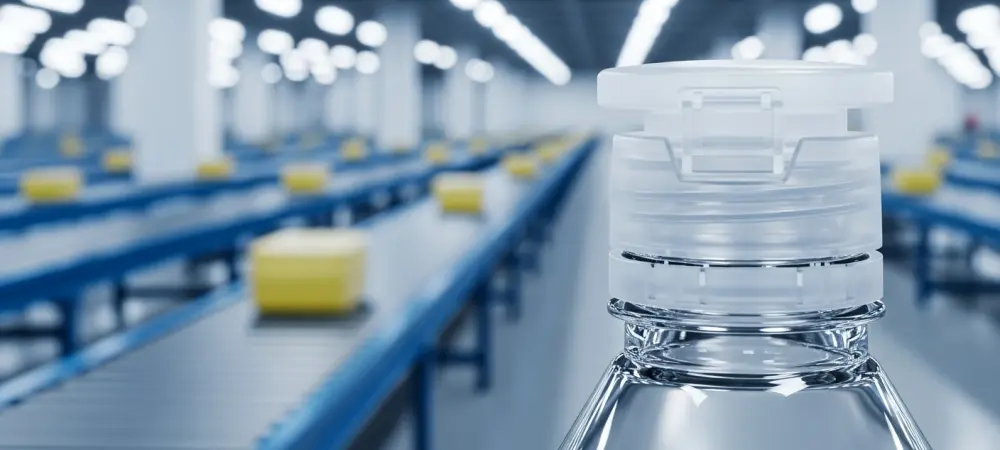
Aptar has addressed these logistical vulnerabilities by launching a specialized portfolio of closures, including the impact-resistant Embrace flip-top and the tamper-evident E-Simplicity for home care. These designs incorporate hidden locking mechanisms and security features directly into the closure, ensuring that the contents remain inside the bottle regardless of the package orientation. Moreover, these systems enhance the user experience by providing a clean opening without the struggle of removing plastic wraps.
The technical mechanics of the Future Disc Top and E-Disc Top include concealed locking systems that provide a clear visual indicator of a product’s integrity. These designs have successfully passed the Amazon ISTA-6 robustness certification, validating their ability to resist side impacts and vibrations during shipping. Such certifications offer brands the confidence that their products will arrive in pristine condition, transitioning into a standard dispensing mode after the initial opening.
Precision-Engineered Closures: Defining the New Standard for Transit Security
Sustainability remains a central pillar of these innovations, with the entire e-commerce closure range available in post-consumer recycled resin. This commitment to circular economy practices ensures that high-performance dispensing does not come at an unnecessary environmental cost. Brands can now select durable packaging that supports their carbon reduction goals while maintaining a premium aesthetic that appeals to conscious consumers. The breakthrough of monomaterial designs, such as the Future Disc Top made entirely of polyethylene, allows for full recyclability when paired with matching containers. This approach simplifies the recycling process, as the entire package can be processed in a single stream. It reflects a broader narrative of combining high-performance engineering with eco-conscious materials to meet modern expectations for both functionality and environmental stewardship.
Championing Sustainability Through Monomaterial and PCR Integration
To successfully transition to these solutions, brands should begin by auditing their current packaging portfolios to identify components that rely too heavily on secondary protection. Frameworks for selecting closures must account for product viscosity, container material, and the specific fulfillment stress points identified in the supply chain. This data-driven approach helps in choosing the most effective dispensing system for each unique liquid formulation.
Implementing these strategies reduced material overhead and enhanced the end-user unboxing experience by providing a clean, professional presentation. Companies that prioritized these integrated security features found that they could eliminate redundant plastic layers while reinforcing customer trust. Ultimately, the industry moved toward a future where durability and sustainability were no longer viewed as competing priorities but as unified goals.
Strategic Steps for Brands Transitioning to Transit-Ready Solutions
Modern brands recognized that the unboxing moment was too valuable to leave to chance or poor packaging design. By moving toward transit-ready engineering, they eliminated the need for supplemental fillers that consumers often find difficult to recycle. This transition helped manufacturers reduce their shipping volumes and shipping costs, creating a more efficient path from the warehouse to the consumer’s bathroom or kitchen.
By adopting these advanced closures, the beauty and home care sectors established a new standard for reliability that respected both the consumer and the planet. Strategic material choices and rigorous testing protocols ensured that high-quality products survived the most demanding logistics routes. As companies looked back on these developments, they saw that the most effective way to protect a brand’s reputation was to invest in the fundamental integrity of the primary container.