

Nikolai Braiden has spent years at the intersection of finance and emerging technology, witnessing firsthand the shift from physical ledgers to decentralized digital assets. As a seasoned advisor to fintech startups and a pioneer in the blockchain space, he possesses a unique vantage point on how hardware evolution dictates consumer behavior. In this conversation, we explore the seismic shift occurring in retail environments as the traditional point-of-sale terminal is replaced by the very devices we carry in our pockets every day.
The discussion highlights the transition from peripheral-heavy payment systems to integrated NFC solutions within the newest smartphone models. It delves into the technical hurdles of reading metal cards, the overwhelming consumer readiness for contactless payments, and the challenges competitors face with hardware fragmentation. Ultimately, the focus is on how mobile technology is granting retailers unprecedented flexibility in how and where they conduct business.
The transition from bulky peripheral hardware to a single-device solution marks a significant milestone in retail history. Based on the shift we are seeing in retail strategies, how does the elimination of secondary Bluetooth readers change the daily experience for staff and the operational flow of a store?
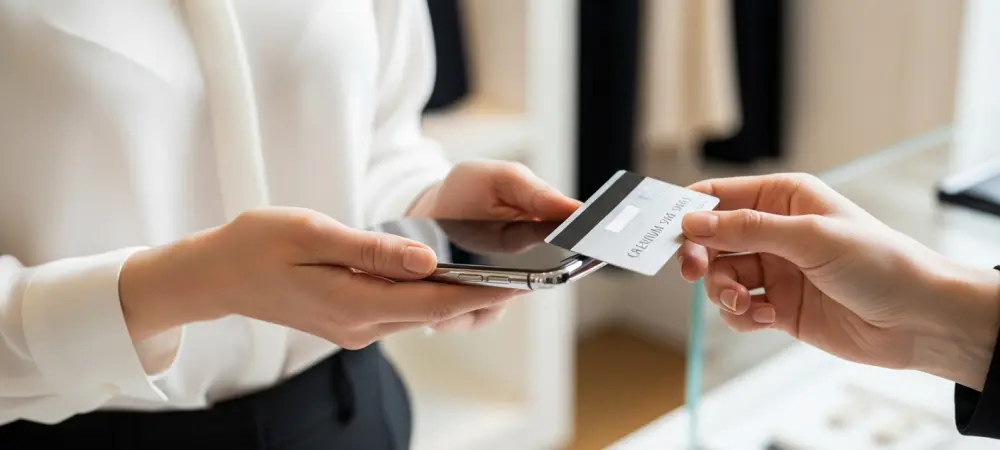
In the past, store associates had to juggle an iPhone and a separate card reader that tethered via Bluetooth, which was often a recipe for technical frustration and physical clutter. These add-on devices weren’t just cumbersome to hold; they required their own dedicated batteries and constant maintenance to ensure they stayed paired and charged throughout a long shift. By integrating everything into the iPhone 16, the setup becomes much more streamlined, allowing employees to move through the store with just a single, sleek device in their hand. This reduces the physical burden on the staff and eliminates the clunky mechanical feel of extra hardware, making the interaction with customers feel far more personal and fluid.
Technical consistency has often been a hurdle for contactless payments, particularly when dealing with premium materials. Could you explain the specific advancements in mobile NFC capabilities that finally made it possible to move away from traditional hardware?
For a long time, the reliability of NFC transactions was a bit of a gamble, especially with older models like the iPhone 14 which could be inconsistent when handling certain transactions. This was particularly noticeable when reading metal cards, which is a major point of friction since Apple’s own credit card is famously made of titanium. The iPhone 16 includes specific NFC improvements that make those transactions much more consistent, allowing for a reliable “tap” every time. When a merchant can trust that the device will work regardless of whether the customer pulls out plastic or heavy metal, it removes the last remaining excuse for keeping the old hardware hanging around.
Widespread adoption of any new technology depends heavily on the readiness of the user base. In your view, what role does consumer behavior and the current saturation of contactless-ready cards play in making this hardware-free payment model viable?
The tipping point for this technology is truly on the consumer side, and the numbers show we have finally arrived at that destination. Currently, over 90% of credit and debit cards issued in the U.S. are NFC-capable, and over 75% of consumers have access to a digital wallet. Because more than half of those users are now using a wallet regularly for their purchases, the instances where a customer cannot pay via a tap are becoming very few and far between. This level of enablement allows retailers to commit to contactless-only devices while still delivering a premium customer experience that doesn’t feel restrictive.
As other tech giants like Google and various Android manufacturers attempt to mirror this success, what are the primary challenges they face in creating a standardized payment experience across such a diverse ecosystem?
Unlike a closed ecosystem, Android manufacturers face a significant hurdle because their devices vary so much in terms of hardware design and chip placement. According to recent reports, Google’s implementation is still being refined because the NFC chips are located in different spots depending on the phone model. This means users often have to position their phones much more carefully during a transaction, leading to a “hit or miss” experience that can feel awkward at the checkout. If the transaction isn’t instantaneous and intuitive, it loses the convenience factor that makes this technology so appealing to high-end retailers.
Looking at the broader retail landscape, how do you see the role of traditional, dedicated payment terminals evolving as enterprise retailers begin to adopt phone-based systems?
We aren’t necessarily looking at the total extinction of the traditional POS terminal, but rather a shift toward much greater flexibility and specific use cases. Many enterprise retailers are implementing “Tap to Phone” to address the need for mobility, allowing staff to break line congestion or assist customers directly on the sales floor. Instead of forcing every person to stand in a single queue at a fixed counter, the terminal now comes to the shopper, which completely changes the physical flow of a retail space. It gives businesses the option to accept payments with devices they already use, making the entire infrastructure feel less like a rigid bank and more like a modern service environment.
What is your forecast for the future of retail payment hardware over the next five years?
I anticipate that within the next five years, the bulky, dedicated card reader will become a relic of the past for most boutique and mobile retail environments. As NFC technology continues to stabilize and digital wallet adoption inches toward 100%, we will see a move toward an “invisible” checkout where the physical counter disappears entirely. Merchants will likely rely on a “hardware-light” strategy, using multi-purpose mobile devices to handle everything from inventory to final sale. This evolution will not only save businesses money on specialized equipment but will also create a world where the transaction is a seamless part of the social interaction rather than a separate, clunky chore.