

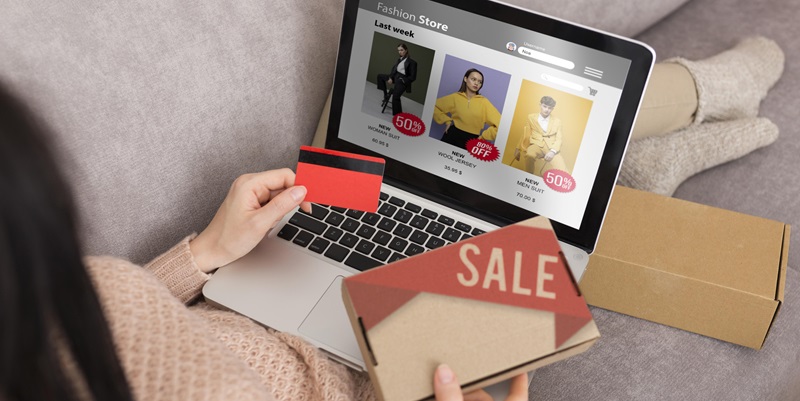
In a move set to revolutionize the payment landscape for online fashion retail, Adyen, a leading financial technology platform, and Zalando, Europe’s foremost online fashion retailer, have expanded their strategic partnership to bring advanced payment solutions to 15 European markets. This expansion positions Adyen as one of Zalando’s key payment partners and designates it as the exclusive provider for several local payment methods, including Cartes Bancaires in France and Bancontact in Belgium. The enhanced partnership is designed to deliver a seamless and secure payment experience for Zalando’s extensive customer base, bolstered by improvements in 3D Secure transactions under the Payment Services Directive 2 (PSD2) framework.
A standout innovation in this renewed partnership is the introduction of Network Token Optimization. This cutting-edge technology replaces traditional Primary Account Numbers (PAN) with non-sensitive reference Network Tokens, significantly enhancing payment security. By minimizing involuntary cancellations and streamlining the transaction process, the use of Network Tokens has led to higher authorization and conversion rates, ultimately improving customer satisfaction. Adyen’s integrated payment solutions reimagine the payment journey by eliminating redirection to third-party providers, maintaining Zalando’s strategic focus on providing a differentiated, high-quality shopping experience.
Streamlined Payment Solutions for Enhanced Customer Experience
Both Adyen and Zalando are deeply committed to creating a frictionless, secure online payment process. Hella Fuhrmann, Country Manager DACH at Adyen, emphasized the importance of this long-term partnership, noting the significant strides made in optimizing 3D Secure performance. The collaboration between Adyen and Zalando not only prioritizes security but also focuses on creating a user-friendly payment interface, which is critical in fostering customer loyalty and increasing overall satisfaction. By simplifying the payment process and ensuring a secure transaction environment, the partnership aims to make online shopping more convenient and safe for customers across Europe.
The adoption of Network Token Optimization is a testament to both companies’ proactive approach to leveraging advanced technologies for improved payment experiences. This transition safeguards customers’ sensitive information while streamlining the payment flow, contributing to fewer transaction failures and enhanced trust in the platform. As a direct result, customers are more likely to complete purchases, boosting Zalando’s sales and reinforcing its position as a leading online fashion retailer. The partnership’s focus on enhancing the customer journey underscores the significance of integrating robust, innovative payment solutions in maintaining a competitive edge in the fast-evolving e-commerce landscape.
A Vision for Future Online Payment Excellence
Adyen, a leading financial tech platform, and Zalando, Europe’s top online fashion retailer, have broadened their partnership to introduce advanced payment solutions across 15 European markets. This move solidifies Adyen as a key payment partner for Zalando and makes it the exclusive provider for several local payment methods, such as Cartes Bancaires in France and Bancontact in Belgium. The enhanced collaboration aims to offer Zalando’s vast customer base a seamless and secure payment experience, with improvements in 3D Secure transactions under the Payment Services Directive 2 (PSD2).
A key innovation in this expanded partnership is the introduction of Network Token Optimization. This technology replaces traditional Primary Account Numbers (PAN) with non-sensitive reference Network Tokens, which significantly enhance payment security. This reduces involuntary cancellations and streamlines the transaction process, resulting in higher authorization and conversion rates and better customer satisfaction. Adyen’s integrated payment solutions also eliminate redirection to third-party providers, aligning with Zalando’s goal of offering a high-quality, differentiated shopping experience.