

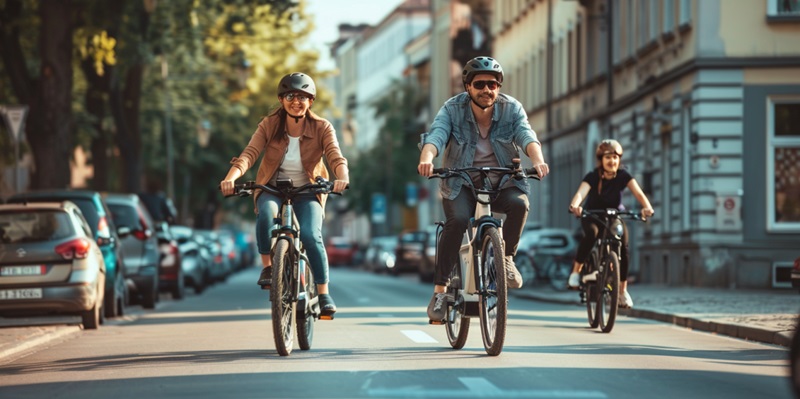
As urban mobility evolves, innovative insurance models are essential for new transport methods. London’s InsurTech leader Laka is setting trends with its unique insurance for e-bike riders and cyclists. Laka’s models are crafted for the expanding sustainable transport sector and integrate smart solutions tailored to modern needs. Sensing an opportunity in this green shift, the Achmea Innovation Fund has made a strategic investment in Laka. This infusion of capital is a move towards shaping the future of e-bike insurance, with an eye on promoting eco-friendly transport methods across Europe. This partnership not only infuses Laka with financial strength but also aligns with a vision of a green, well-insured mobility landscape. Through this alliance, Laka’s pioneering approach is expected to gain momentum, fostering wider acceptance of e-bikes as a sustainable transit alternative.
A New Model for E-Bike Insurance
Laka’s approach to insurance challenges the traditional model, offering a collective coverage plan that responds dynamically to the actual risks and claims incurred by its members. Under this innovative system, customers are grouped together, sharing the cost of claims—effectively distributing the risk among peers. This results in varying premiums month by month, ensuring that policyholders only pay for the actual cost of insurance claims, not a flat rate disconnected from the real-world risk. Such a transparent model is geared towards fairness and is particularly attractive to the conscientious consumers who are drawn to sustainable transportation options like e-bikes.
Laka has successfully tapped into a niche in the burgeoning e-bike market, insuring over €140m worth of bicycles and clearly demonstrating the validity of their model. The involvement of Achmea Innovation Fund, a significant player in the insurance industry, suggests a shared vision for scalable, user-friendly insurance products designed for modern urbanites. The funding from Achmea will empower Laka to broaden their market reach, refine their product offerings, and fortify their already impressive track record in e-bike insurance.
Synergizing for Sustainable Mobility
The partnership between Achmea and Laka marks a pivotal step forward in promoting green mobility in Europe. Laka’s CEO is enthusiastic about the possibilities this collaboration opens, particularly in the seamless integration of sustainable transport options. Leveraging Achmea’s support, Laka plans to broaden its services by working closely with retailers and brands to incorporate insurance at the time of purchase for a smooth customer journey.
Henrieke Hoftijzer from Achmea will add valuable insights to the Laka board, influencing the partnership’s strategic direction. This union is committed to revolutionizing insurance with a focus on client needs and the growing preference for e-bikes in cities. This innovative approach dares to reshape the future of transportation insurance, aligning with eco-friendly values and enhancing customer satisfaction. The partnership aims to significantly influence green transportation insurance, reflecting a transformative era that places sustainability at the forefront.