

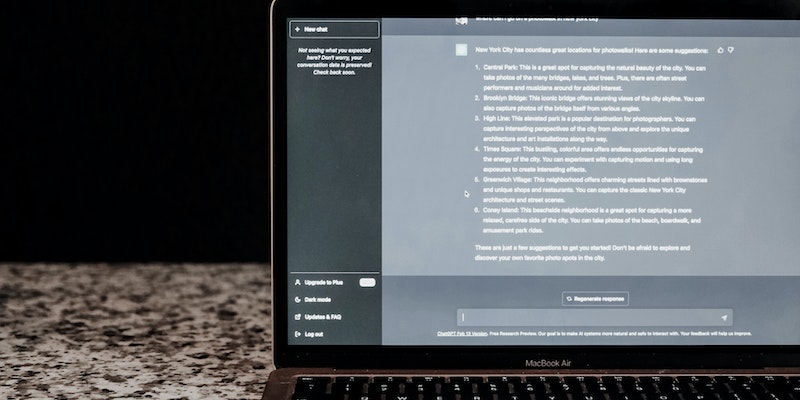
As businesses continue to evolve in the digital age, technologies like artificial intelligence (AI) are becoming more prevalent in the workforce. One such technology that has gained considerable attention in recent years is the ChatGPT or “chatbot.” These are computer programs that use complex machine learning techniques to sift through texts like books and news articles to “learn” language. While this technology has already made significant strides in the workplace, there is still a lot to explore in terms of potential benefits and future trends.
The rising importance of ChatGPT experience
According to a survey by Intelligent.com, ChatGPT experience will be essential in the future, as 90% of hiring managers think it is necessary. Furthermore, about one-quarter of companies have already replaced employees with ChatGPTs in some capacity. These findings emphasize the importance of prioritizing ChatGPT skills in the workplace.
The Benefits of ChatGPT for Professionals
ChatGPT is a must-have skill for all professionals, regardless of their industry. The technology’s ability to process and analyze vast amounts of data can assist professionals in numerous ways, such as providing more personalized support to customers, streamlining communication channels, and improving customer service. Moreover, business leaders are deeming the ChatGPT experience a “beneficial skill” for employees, further underlining the technology’s value.
Additionally, unlike traditional chatbots that rely on rigid scripts, ChatGPTs are more human-like in their interactions with customers, making them valuable resources for professionals in the service sector. Moreover, ChatGPTs use complex machine learning techniques, enabling personalized and context-aware recommendations in real-time.
ChatGPTs can be a great brainstorming tool, helping teams expand ideas and discover new solutions. The technology can analyze different texts to provide background information on similar projects, tasks or issues, helping guide the brainstorming process and provide relevant, insightful suggestions.
ChatGPT” as a Business Trend
It is becoming more apparent than ever before that “ChatGPT” is a business trend that shows no sign of slowing down anytime soon. Businesses across various verticals are adopting “ChatGPTs” in different ways as they realize the benefits of this technology.
Therefore, it is essential for professionals to learn to work with ChatGPT instead of rejecting or fearing it. As ChatGPT continues to become more widespread, it is critical to have at least a basic understanding of how to use the technology effectively to excel in your work.
The Role of ChatGPT and Humans
Contrary to popular belief, ChatGPT will not replace humans anytime soon. Instead, it will serve as a complementary tool that assists with redundant tasks, freeing up humans to focus on valuable and rewarding work.
Furthermore, for employees who fear that ChatGPT may take over their jobs, it’s important to understand that the technology can actually strengthen your existing skills. Instead of fearing for your job, find ways to utilize ChatGPT to your advantage, showcasing your adaptability with emerging technology.
The rising importance of ChatGPT’s experience highlights the significance of prioritizing these skills in the workplace. With ChatGPT’s ability to provide personalized recommendations, streamline communication, and assist in brainstorming, it is a valuable resource for professionals to leverage. While ChatGPT is a great chatbot with countless benefits, it’s important to remember that it’s not a replacement for humans. Instead, ChatGPT will serve as a complementary tool that professionals can utilize to their advantage, strengthening their skills and adapting to new technologies. With these emerging trends, it’s important for professionals to keep an eye on the technology to stay ahead of the curve.